





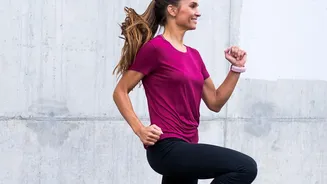

Goal: Maximum Calorie Burn and Weight Loss
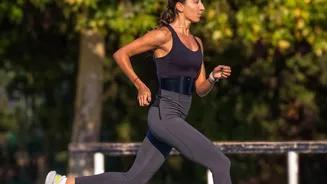
If your primary goal is shedding pounds, running generally has the edge. As a high-impact cardiovascular exercise, it burns more calories per minute than a typical mat Pilates class. A sustained run keeps your heart rate elevated, turning your body into
an efficient calorie-burning engine. However, the story isn't that simple. Pilates, particularly on a reformer or in a high-intensity format, builds lean muscle mass. More muscle increases your body's resting metabolic rate, meaning you burn more calories even after your workout is over. While running might win the per-session calorie battle, Pilates helps build a metabolic foundation for long-term fat loss. For a direct impact on weight loss, running is a strong choice, but combining it with muscle-toning Pilates can optimize results.
Goal: A Stronger Core and Better Posture
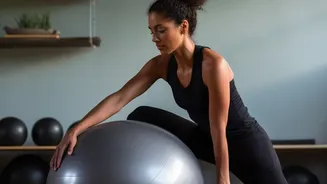
When it comes to building deep core strength, Pilates is the undisputed champion. Developed specifically to enhance core stability, its exercises target the deep abdominal muscles, lower back, and pelvic floor. This is the foundation of good posture and a stable body. A strong core doesn't just look good; it protects your spine and improves your body's overall alignment. While running requires core engagement to maintain form, it doesn't build core strength in the same focused, systematic way that Pilates does. In fact, many runners turn to Pilates to build the core stability needed to prevent injuries and run more efficiently.
Goal: Boosting Heart Health and Endurance
For cardiovascular fitness, running is a clear frontrunner. It directly trains your heart and lungs, improving your VO2 max—the measure of how efficiently your body uses oxygen during exercise. Regular running strengthens the heart muscle, improves circulation, and can lower blood pressure. Traditional Pilates is considered a low-intensity exercise and doesn't typically provide the same aerobic challenge. However, some modern Pilates classes, especially those using a jumpboard on the reformer or structured as a high-intensity flow, can raise your heart rate enough to provide cardiovascular benefits. Studies have even found that consistent Pilates practice can improve cardiorespiratory fitness over time.
Goal: Injury Prevention and Enhanced Flexibility
Running is a high-impact activity, and the repetitive stress can lead to common injuries like shin splints, runner's knee, and IT band syndrome. Pilates, on the other hand, is low-impact and focuses on controlled movements that are gentle on the joints. It excels at increasing flexibility, improving mobility, and correcting muscle imbalances that often cause running injuries. By strengthening supporting muscles and lengthening tight areas like the hips and hamstrings, Pilates helps create a more resilient, balanced body. For this reason, many physical therapists and run coaches recommend Pilates as essential cross-training to keep runners healthy and injury-free.
Goal: Reducing Stress and Improving Mental Health
Both activities offer powerful mental health benefits, but they deliver them in different ways. Running is known for producing the famed "runner's high," a flood of endorphins that can elevate mood and reduce anxiety. The rhythmic, repetitive nature of a long run can also be a form of moving meditation. Pilates fosters a strong mind-body connection through its emphasis on precise movements and controlled breathing. This mindful focus can calm the nervous system, reduce tension, and promote a sense of grounding and control. Your choice may depend on whether you prefer to clear your head with an energetic burst or through focused, intentional movement.
The Final Verdict: Why Not Both?
Ultimately, you don't have to choose. Running and Pilates are not rivals; they are complementary partners in a well-rounded fitness routine. Running provides the high-intensity cardio, while Pilates builds the core strength, stability, and flexibility needed to run better and avoid injury. By combining the two, you can improve your running economy, enhance your posture, and build a body that is both strong and resilient. Whether you alternate days or even do a short Pilates session as a warm-up or cool-down for your run, integrating both can help you achieve your goals faster and more safely.