




The Fibre and Fullness Connection
At its core, the idea that fruit helps you feel full is based on sound science. Fruits contain dietary fibre, a type of carbohydrate your body cannot digest. There are two main types, both present in fruits: soluble and insoluble fibre. Soluble fibre dissolves
in water to form a gel-like substance in your stomach. This process slows down digestion, delaying the emptying of your stomach and helping you feel fuller for longer. Insoluble fibre does not dissolve in water but adds bulk to your stool, which also contributes to a feeling of fullness and aids in regular bowel movements. Together, along with the high water content of most fruits, this combination of fibre and fluid can increase the volume in your stomach, sending signals to your brain that you're satisfied.
Why All Fruits Aren't Created Equal
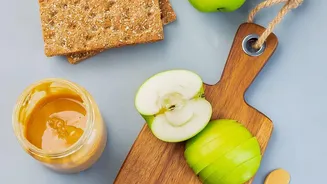
While fibre is a key player, the form of the fruit matters immensely. Studies consistently show that eating a whole fruit, like an apple, is significantly more satiating than consuming its pureed (applesauce) or juiced form. Chewing a solid apple takes time, which itself can contribute to satiety signals. The physical structure of the whole fruit also impacts how it's processed in your digestive system, slowing everything down more effectively than a liquid. Furthermore, adding fibre back into juice doesn't seem to replicate the fullness effect of the whole fruit, suggesting the entire package—structure, chewing, and fibre—works together. This is why an orange will likely keep you feeling full longer than a glass of orange juice, even if the calories are similar.
The Complicating Role of Fructose
Fruit's primary sugar is fructose. Unlike glucose (the sugar our body primarily uses for energy), fructose is metabolised differently and does not stimulate insulin secretion in the same way. Insulin is a hormone that, among other things, signals satiety to the brain. Because fructose consumption leads to smaller increases in satiety hormones like insulin and leptin, and a smaller decrease in the hunger hormone ghrelin, it may not suppress appetite as effectively as glucose. Some research suggests that when consumed, fructose may not trigger the same fullness response in the brain's appetite regulation centres. This doesn't mean fruit is bad, but it helps explain why, for some people, a fruit-only snack might not be as satisfying as they hope.
It's Personal: Individual Differences Matter
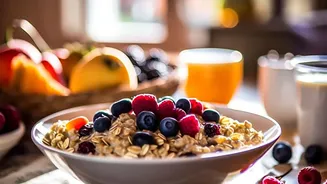
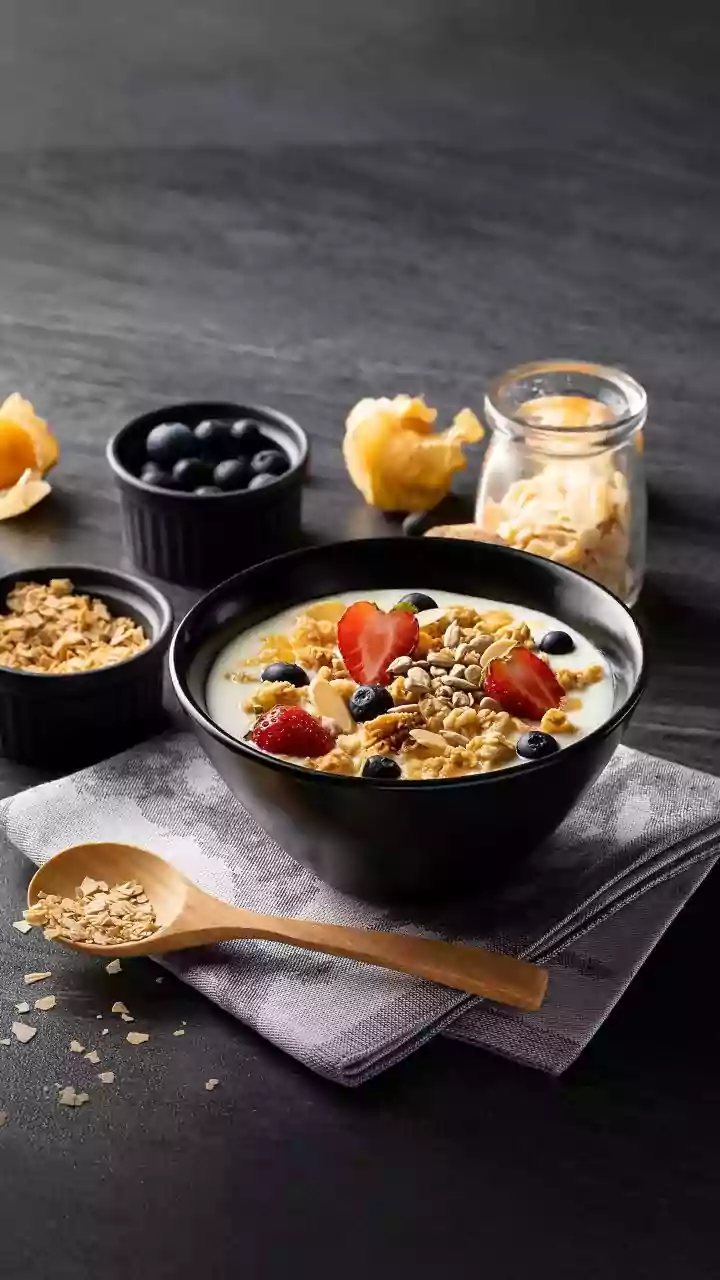
This is the crux of why outcomes vary so much. Your unique physiology plays a massive role in how you respond to eating fruit. Your gut microbiome—the collection of bacteria in your intestines—is a major factor. These microbes help break down fibres, and the composition of your microbiome can influence which satiety hormones are released. Genetic predispositions, insulin sensitivity, and even learned eating behaviours also contribute to your personal experience of hunger and fullness. A person who is highly active may process the energy from fruit differently than someone who is sedentary. Similarly, what you eat the fruit with can make a big difference. Pairing fruit with a source of protein or healthy fat, like eating an apple with peanut butter or berries with yoghurt, can significantly increase the satiety effect by further slowing digestion and providing a more balanced mix of macronutrients.