




You Eat With Your Eyes First
It’s a cliché for a reason: we truly do eat with our eyes before our other senses get a chance. This initial visual assessment doesn’t just make our mouths water; it triggers a series of judgments about what we’re about to consume. Research consistently
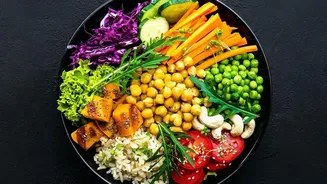
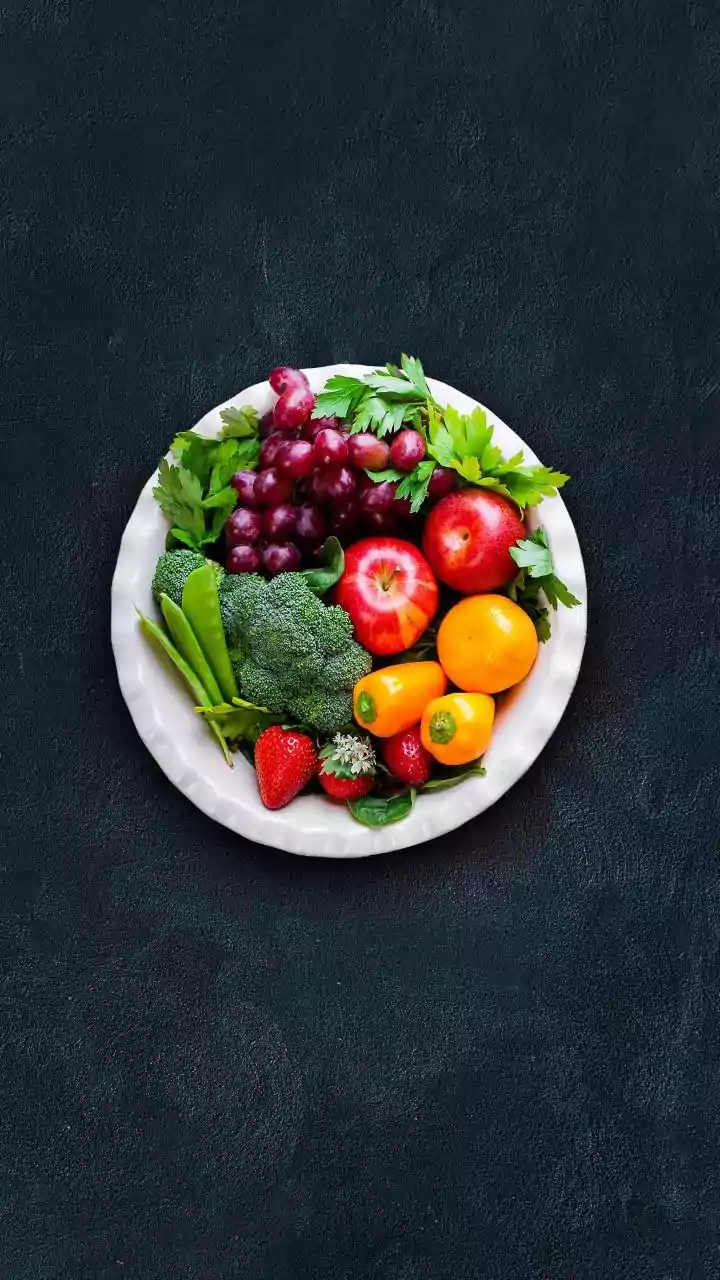
shows that the way food is presented significantly influences our expectations about its taste, quality, and, crucially, its healthiness. A beautifully arranged plate can make food seem more appetising and even enhance its perceived flavour. This happens because our brain responds to appealing visual cues by preparing the body for digestion, a process that begins long before the first bite.
The Brain’s Deep-Seated Bias for Beauty
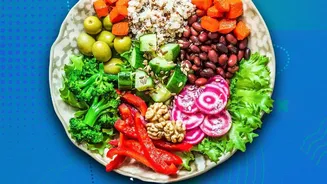
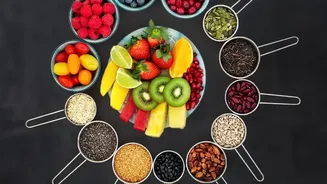
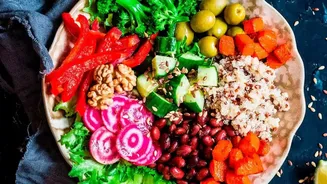
So why does 'pretty' often equal 'healthy' in our minds? The answer may lie in our innate connection to nature. One theory suggests that we're drawn to classical aesthetic principles like symmetry, order, and systematic patterns because they are abundant in the natural world. Think of the perfect symmetry of a honeycomb or the orderly scales on a fish. Because we associate 'natural' with 'healthy', foods that exhibit these organised, nature-like visual features can trigger a subconscious bias. Studies have shown that identical foods are rated as healthier when they look pretty and orderly. This bias is so strong that it persists even when people are given a full list of ingredients. The prettier food is often perceived as more natural, and therefore, healthier.
The 'Health Halo' of a Well-Plated Meal
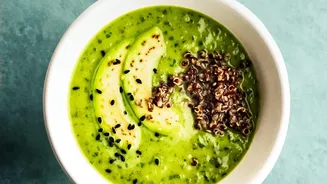
This cognitive shortcut is a version of the 'health halo' effect, where a single positive attribute—in this case, beautiful presentation—causes us to view the entire product more favourably. When a dish looks vibrant, neat, and artistically plated, we are more likely to underestimate its calorie count and overestimate its nutritional value. For example, one recent study found that a dish was perceived as significantly healthier when its sauces were placed neatly on the side rather than drizzled all over the main ingredient. Similarly, another study on biscuits found that a more pronounced, explicit surface texture was perceived as healthier by participants, while a smoother surface was seen as tastier and more indulgent. These visual cues act as mental shortcuts that can easily lead our nutritional assessments astray.
From the Supermarket to Social Media
This phenomenon isn't just confined to fine-dining restaurants. Food marketers and product designers are well aware of how visual cues influence our choices. Packaging with images of neatly arranged, aesthetically pleasing food can increase purchase intention. The shape of the food itself also matters; studies have found that consumers perceive square-shaped foods as having a higher calorie content than round ones. In our modern world, this visual bias is amplified by social media, where curated images of perfect-looking meals are everywhere. The 'healthier-looking' food is often the one that gets the 'like', but it might not always be the most nutritious choice. This constant exposure to stylised food visuals can condition us to equate aesthetic appeal with wellness, making it harder to make objective food choices.
How to See Past the Pretty Picture
Being aware of this bias is the first step toward becoming a more mindful eater. While there's nothing wrong with enjoying food that looks good, it's important not to let aesthetics dictate your health assessment. Instead of being swayed by a perfect drizzle of sauce or a symmetrical salad, try to focus on the substance of the meal. A helpful tool is the 'plate method', which encourages dividing your plate into sections: half with non-starchy vegetables, a quarter with lean protein, and a quarter with whole grains or starches. This approach shifts the focus from abstract presentation to balanced, tangible components. By consciously considering the ingredients, cooking methods, and portion sizes, you can train your brain to look beyond the visual allure and make choices that are truly nourishing.