

The Earthy Seventies Revival
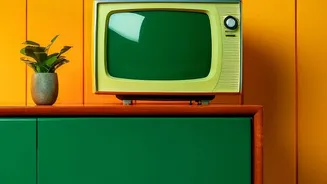
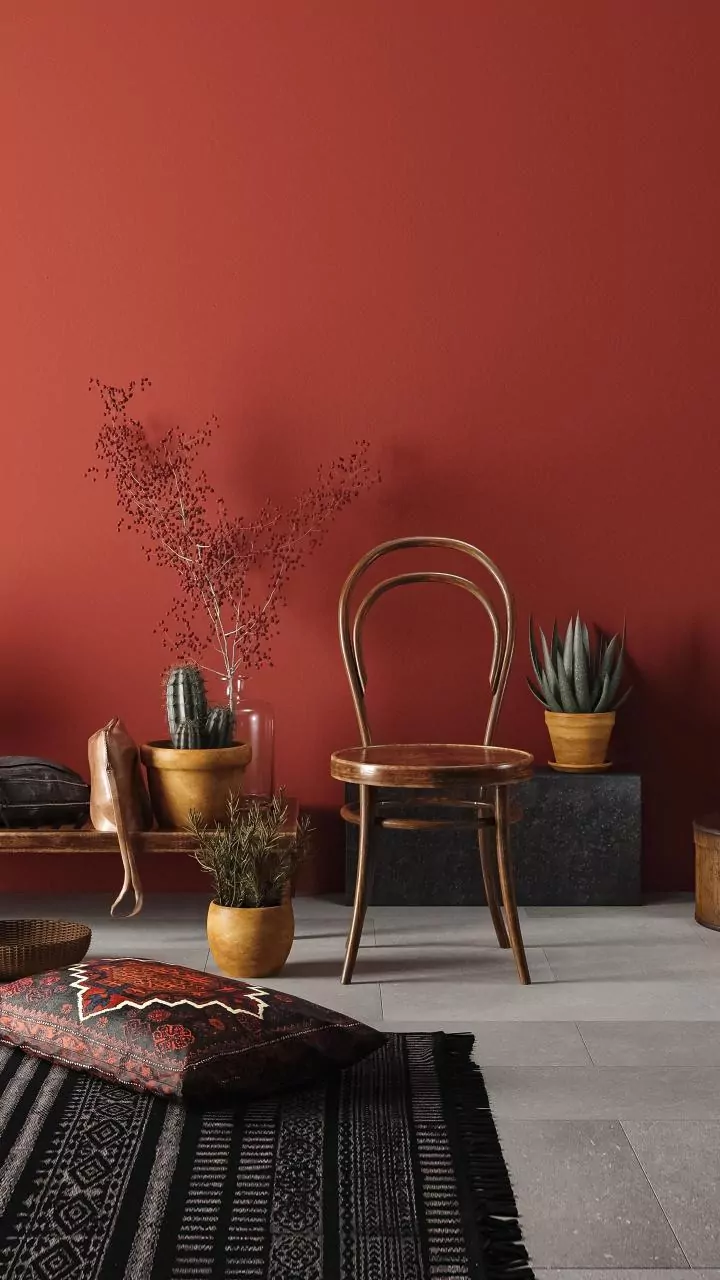
The 1970s were defined by a connection to nature, and the decade's colour palette reflects that with warm, earthy tones. Think harvest gold, avocado green, and burnt orange or terracotta. These colours bring an immediate sense of grounding and comfort
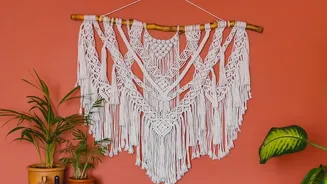
to a space. To make them feel contemporary, use them as accent colours rather than painting an entire room. A mustard yellow armchair, an olive green accent wall, or terracotta-hued cushions can add a perfect retro touch without overwhelming the space. Pair these shades with neutral backdrops like warm whites or creams and natural materials like teak, rattan, and macramé to complete the look.
Mid-Century Modern Cool
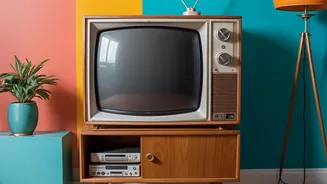
Mid-Century Modern design, spanning from the 1930s to the 1960s, is known for its clean lines and a colour scheme that balances earthy neutrals with optimistic brights. The foundation often consists of shades like tan, beige, and warm whites. The excitement comes from strategic pops of colour. Mustard yellow and teal is a classic combination from this era, offering a beautiful contrast between warm and cool tones. This pairing can make a living room or creative space feel both cosy and vibrant. Consider a teal feature wall behind a tan sofa, with mustard yellow appearing in artwork or throw pillows. Don't be afraid to mix in other classic Mid-Century colours like olive green or tangerine for a layered, authentic feel.
Art Deco Opulence
For a touch of glamour, look to the Art Deco period of the 1920s. This era was all about luxury, geometry, and sophistication. The colour palette is rich and dramatic, featuring deep jewel tones that make a bold statement. Think emerald green, royal blue, ruby red, and opulent gold accents. These colours are perfect for creating an energetic and luxurious atmosphere. To incorporate them into a modern home, use them in plush textures like velvet. A velvet emerald green sofa or a sapphire blue ottoman can serve as a stunning focal point. Pair these deep colours with metallic finishes—brass, gold, or chrome—and strong geometric patterns in rugs or wallpaper to fully capture the decadent spirit of the era.
The Soft Romance of Dusty Hues
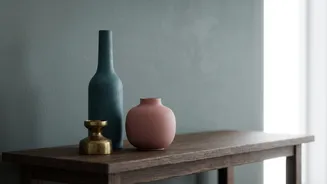
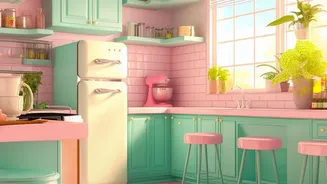
If bold and bright isn't your style, vintage pastels offer a softer, more romantic alternative. Dusty rose, sage green, and pale, buttery yellows evoke a sense of calm and nostalgia. The combination of dusty rose and sage green, in particular, has become a timeless pairing that feels both tranquil and warm. It’s perfect for creating a serene bedroom or a welcoming living area. These muted tones work beautifully with light-coloured woods and creamy white trim. You can introduce them through wall paint, soft furnishings like curtains and bedding, or even floral arrangements. The key is to layer these soft colours to create a space that feels gentle, lived-in, and full of effortless charm.
Balancing Vintage with Modern
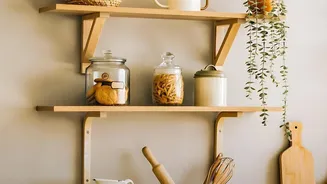
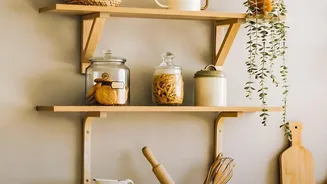
The secret to successfully using vintage colours is balance. You don’t want your home to feel like a time capsule. The most effective approach is to ground your vintage colour choices within a contemporary framework. Start with a neutral foundation of warm whites, creams, or soft greys for your walls and larger furniture pieces. This creates a clean canvas that allows your chosen vintage colours to stand out as deliberate, stylish accents. Mix vintage-coloured pieces with modern furniture that features clean lines. For example, a retro-coloured velvet cushion looks fantastic on a sleek, modern sofa. This blend of old and new creates a space that feels curated, personal, and timelessly chic.