







The Storm With No Rain
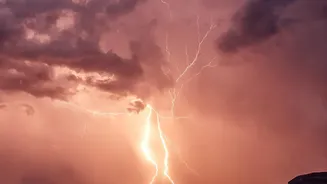
A dry thunderstorm is a weather event that produces lightning and thunder, but most or all of its precipitation evaporates before it reaches the ground. The lightning that occurs in this scenario is called dry lightning. This might seem like a contradiction,
but the process of generating lightning happens high up within the storm clouds and is independent of whether rain hits the surface. For a thunderstorm to be classified as 'dry' by fire-weather forecasters, it typically produces less than 2.5 mm of rainfall—an amount insufficient to wet the ground and reduce fire risk. These storms are not rare, but they depend on specific atmospheric conditions to form.
The Science of Vanishing Rain
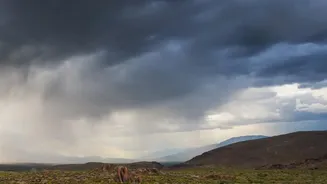
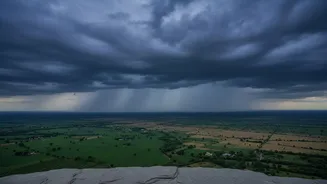
The key to a dry thunderstorm lies in a layer of very dry, hot air between the bottom of the cloud and the ground. While the thunderstorm forms normally in the upper atmosphere, the rain it produces falls into this arid layer. The intense heat causes the raindrops to evaporate in mid-air, a phenomenon known as 'virga'. You can sometimes see virga as wispy streaks extending from the base of a cloud that fade away before touching the earth. This process is common in deserts and other arid or semi-arid regions, especially during hot summer months when the lower atmosphere is significantly warmer and less humid.
A Perfect Recipe for Wildfires
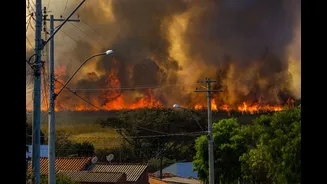
Dry lightning is recognised as one of the most common natural causes of wildfires globally. The danger lies in its potent combination of factors. First, a cloud-to-ground lightning strike acts as a powerful ignition source, delivering immense heat to dry vegetation like grass, shrubs, and trees. Second, because little to no rain reaches the ground, there is no water to extinguish the spark or dampen the surrounding fuel. To make matters worse, dry thunderstorms can also produce strong, gusty winds from downdrafts called microbursts, which can fan the flames and cause a small fire to spread with alarming speed.
The Threat to Indian Forests
While most forest fires in India are attributed to human activity, natural causes like lightning play a role. As climate patterns shift, bringing rising temperatures and longer dry spells, the conditions for dry lightning-induced fires could become more prevalent. Studies have begun to examine the role of specific types of lightning, known as positive outlier strokes, in igniting fires in India's forest zones, particularly during dry seasons. These strikes are dangerous because they can occur away from the main storm where there is even less chance of rain. Regions like Uttarakhand, Madhya Pradesh, and Chhattisgarh are already identified as fire-prone hotspots, and understanding the risk from lightning is crucial for fire management.
More Than Just Fire
Beyond the primary risk of wildfire, the atmospheric mechanics of dry thunderstorms can create other hazards. As the evaporating rain cools the air above, this pocket of colder, denser air can plummet to the ground, creating sudden and powerful wind gusts known as a dry microburst. These can be strong enough to kick up dust and debris, sometimes resulting in intense dust storms. While the storm itself may look less threatening due to the lack of heavy rain, the combination of lightning and unpredictable strong winds still makes it a dangerous weather event that should be treated with caution.