


The Quest for the Perfect Poori
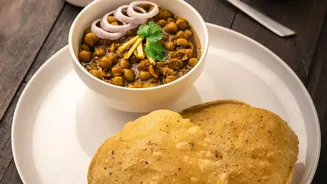
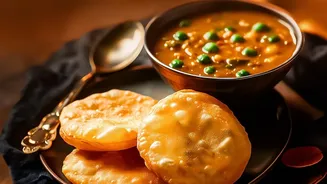
There are few sights more satisfying in an Indian kitchen than a poori inflating in hot oil. It’s a moment of pure culinary magic. This simple, unleavened bread is a staple, served with everything from chana masala to shrikhand. But for every perfectly
puffed poori, there are countless tales of frustration: pooris that soak up oil like a sponge, come out flat and hard, or burn before they can cook through. The difference between triumph and tragedy often comes down to a few crucial seconds before the dough even hits the pan. The secret, as any seasoned home cook will tell you, is learning to read the oil.
Choosing Your Frying Partner
Before we get to temperature, the type of oil you use matters. For deep-frying pooris, you need an oil with a high smoke point—the temperature at which it starts to break down and smoke. Oils like sunflower, rice bran, peanut (groundnut), or vegetable oil are excellent choices. Their neutral flavours won't overpower the taste of the poori, and they can handle the high heat required for that perfect, instant puff. Using an oil with a low smoke point will cause it to burn, imparting a bitter, acrid taste to your food.
The Science of the Shimmer
The instruction to wait for the oil to shimmer is culinary wisdom backed by science. Shimmering indicates the oil has reached the ideal frying temperature, typically between 180°C and 190°C (360°F to 375°F). At this temperature, magic happens. When the rolled-out dough is slipped into the hot oil, the intense heat instantly cooks the outer surface, creating a seal. This seal traps the moisture within the dough, which rapidly turns into steam. With nowhere to go, this steam pushes outwards, forcing the poori to puff up into a hollow sphere. This process is incredibly fast, often taking less than 30 seconds. If you don’t have a thermometer, you can use the classic dough-ball test: drop a tiny piece of dough into the oil. If it sizzles and rises to the surface immediately, your oil is ready.
The Danger of the Smoke
If shimmering is the green light, smoking is a flashing red signal. When oil starts to smoke, it means it has surpassed its smoke point and is beginning to decompose. This breakdown not only creates a burnt, unpleasant flavour but also releases harmful compounds. For your pooris, smoking oil is a disaster. The heat is too intense, causing the outside of the poori to brown or even burn within seconds, long before the inside has a chance to cook or the steam has time to build up for a proper puff. This often results in a poori that is dark and crispy on the outside but remains dense and raw within.
The Trouble with Tepid Oil
The opposite problem is just as common: frying in oil that isn't hot enough. If there's no shimmer and your test dough sinks or rises slowly, the oil is too cool. When a poori is placed in lukewarm oil, there's no instant searing action to seal the surface. Instead, the porous dough begins to slowly absorb the grease. It sits in the pan, becoming heavier and soggier by the second. By the time the oil is hot enough to create steam, the poori is already too saturated with oil to puff up properly, leading to a flat, greasy, and unappetizing result.
Tips for a Flawless Fry
Beyond temperature, a few other techniques ensure success. First, your dough should be firm and stiff—tighter than a chapati dough—as a soft dough is more likely to absorb oil. When rolling, use a little oil on the rolling pin and surface instead of dry flour, as loose flour will burn in the hot oil, spoiling its quality. Roll the pooris evenly, not too thick or too thin. When you slide the poori into the oil, give it a gentle nudge with a slotted spoon. This submersion helps it puff evenly and completely.