





India's electric vehicle market showed incredible year-on-year growth in October 2026, with retail sales surging by over 76%. Amidst this electric boom, Tata Motors firmly held its top spot, commanding a massive 40% market share.
The Numbers Tell the Story
October 2026 was a landmark
month for electric mobility in India. According to data from the Federation of Automobile Dealers Associations (FADA), a total of 37,049 electric cars were retailed. This marks an impressive 76.47% increase compared to the 20,995 units sold in October 2025. While the festive season provided a significant tailwind, the numbers also point to a more fundamental shift in consumer preference. Tata Motors led the charge, with retail sales of 14,669 electric vehicles. While this represented a slight dip from their September figures, it solidified their dominance with an almost 78% year-on-year growth and a commanding 40.7% market share. The share of EVs in the overall passenger vehicle market for the month stood at a healthy 7.3%.
Tata's Multi-Pronged Strategy
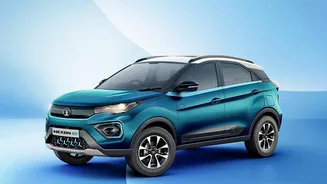
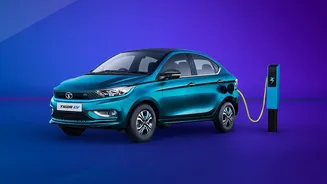
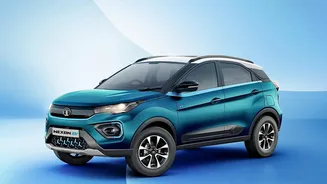
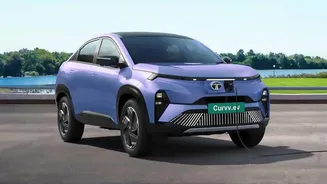
So, how does Tata continue to stay so far ahead of the pack? The answer lies in a strategy that was set in motion years ago. Their first-mover advantage cannot be overstated. By entering the market early, they built brand recognition and trust when others were still on the sidelines. This is backed by a diverse and strategically priced portfolio. Tata offers an electric car for nearly every key price segment, a feat no other manufacturer has matched. The affordable Tiago EV brought electric mobility within reach for a new class of buyers, while the popular Nexon EV and the newer Punch EV have become mainstays in the compact SUV segment. The company has successfully created a product ladder that allows buyers to enter the EV ecosystem at a low price point and upgrade within the same brand.
The Competitive Field Heats Up
While Tata's lead is substantial, the competition is by no means standing still. Mahindra & Mahindra has firmly established itself as the number two player, with an impressive 8,538 units sold in October and a remarkable 85.7% year-on-year growth. Their strategy appears to be mirroring Tata's by planning a portfolio of EV models. MG Motor India also posted strong numbers, securing the third spot with 5,939 units. The Vietnamese manufacturer VinFast, despite a monthly drop, has shown explosive year-on-year growth, indicating its serious ambitions in the Indian market. Even legacy players like Maruti Suzuki and Kia are making their presence felt, with both recording healthy sales in October, showcasing the broadening of the market.
The Bigger Picture: What’s Driving the Surge?
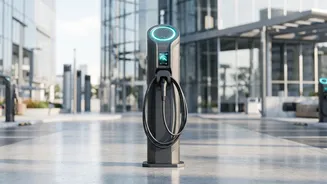
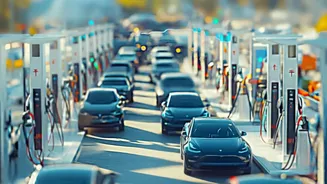
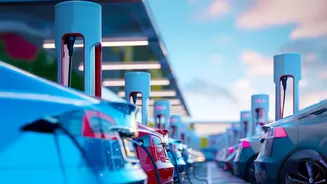
The success of Tata and the growth of the overall market are not happening in a vacuum. Several broader factors are contributing to this electric revolution. Government initiatives, such as subsidies and tax benefits, have been crucial in lowering the initial purchase price, which remains a key barrier for many consumers. Simultaneously, the steady expansion of the public charging infrastructure is helping to alleviate 'range anxiety', one of the most common concerns for potential EV buyers. High and volatile fuel prices have also made the lower running costs of an EV an increasingly attractive proposition for daily commuters and fleet operators alike. This, combined with growing environmental awareness and a wider variety of models to choose from, has created the perfect storm for EV adoption.