







What Exactly Is In The Smog?
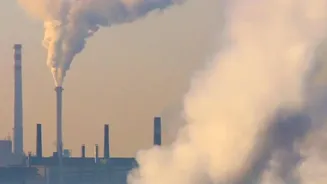
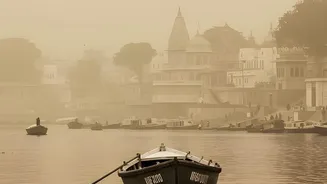
We often think of smog as a general cloud of pollution, but it's a complex cocktail of harmful substances. The primary culprits for skin damage are particulate matter (PM), especially the incredibly small PM2.5 particles. These are microscopic soot, dust,
and chemical particles from vehicle exhaust, industrial emissions, and construction. They are so tiny—less than 2.5 micrometres in diameter—that they can remain suspended in the air and easily settle on your skin. These particles often act as carriers for other pollutants, including polycyclic aromatic hydrocarbons (PAHs) and heavy metals, creating a potent mix that attacks our skin.
How Pollution Breaches Your Skin's Defences
Your skin is designed to be a protective barrier, but it’s not impenetrable. PM2.5 particles are small enough to get past this barrier, often by entering through hair follicles or pores. Once they bypass the outermost layer, they can penetrate deep into the skin's layers, where they trigger a host of problems. This isn't just surface-level dirt that you can wash away at the end of the day; it's an invasion that causes damage on a cellular level. This constant exposure weakens the skin's protective function over time, making it even more vulnerable.
The Science of 'Skin Stress'
When pollutants enter the skin, they cause something called oxidative stress. This is a state where there's an imbalance between harmful free radicals (unstable molecules) and the antioxidants that neutralize them. Pollutants dramatically increase the number of free radicals, which then attack healthy skin cells, damaging everything from DNA to the skin's natural fats. This process triggers a chronic inflammatory response. This low-grade, persistent inflammation is a key driver of accelerated ageing because it activates enzymes that break down collagen and elastin—the proteins responsible for keeping your skin firm, structured, and plump.
The Visible Signs of Pollution Ageing
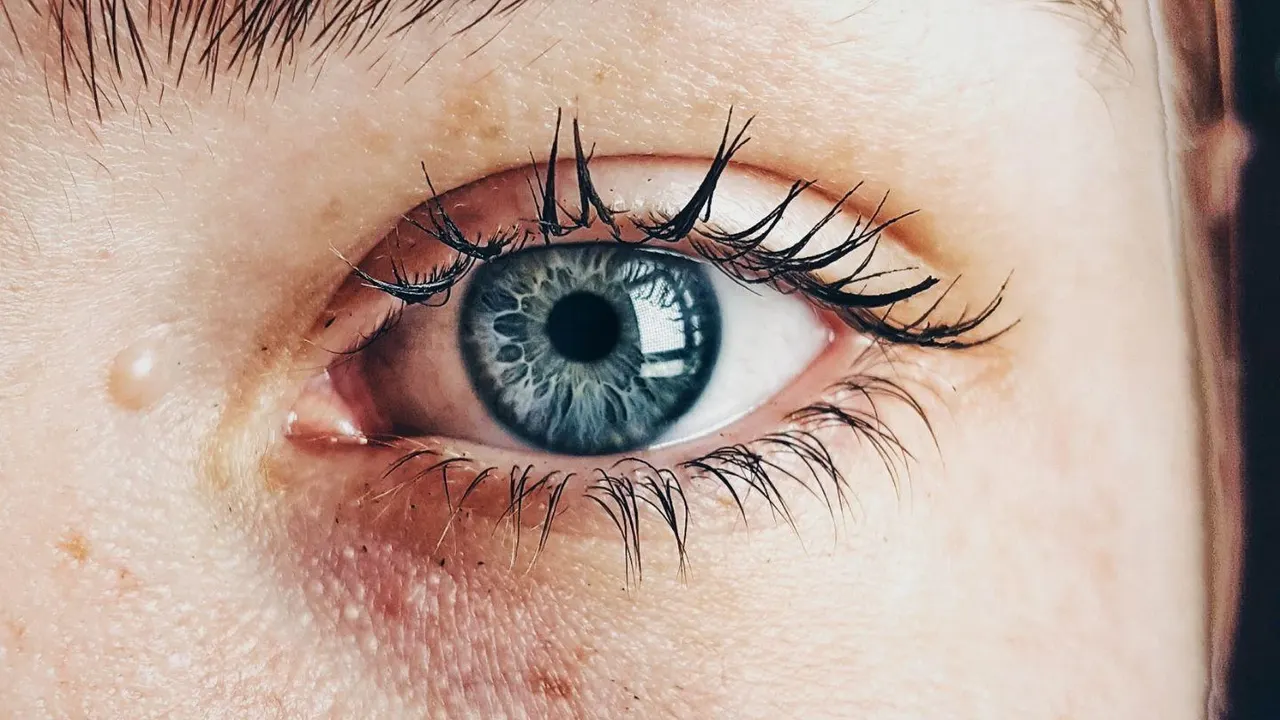
The cellular damage caused by smog eventually shows up on your face. Studies have directly linked long-term exposure to air pollutants with visible signs of 'extrinsic' or environmental ageing. One of the most common signs is hyperpigmentation, including dark spots or 'senile lentigines'. Researchers have found that people living in areas with high pollution develop significantly more facial pigment spots. This happens because inflammation and oxidative stress stimulate your pigment-producing cells (melanocytes) to go into overdrive. Other signs include an increase in fine lines and wrinkles, a loss of elasticity leading to sagging, and an overall dull or uneven skin tone.
Your Daily Defence Plan
While you can't put a bubble around yourself, you can build a robust skincare routine to mitigate the damage. The first and most critical step is cleansing thoroughly every evening to remove the particulate matter that has accumulated during the day. Next, incorporate antioxidants into your morning routine. Serums containing Vitamin C and Vitamin E are particularly effective at neutralizing free radicals before they can cause harm. Look for ingredients like niacinamide and ceramides, which help strengthen and repair your skin's natural barrier, making it harder for pollutants to get in. Finally, never skip sunscreen. UV rays can work synergistically with pollutants, intensifying the damage to your skin. A broad-spectrum sunscreen provides a physical shield against this combined assault.