


The ‘More is More’ Philosophy
Maximalism in fashion is the art of embracing excess. It's a bold and vibrant style that celebrates intricate patterns, rich textures, and a philosophy of "more is more," standing in direct contrast to the simplicity of minimalism. In the context of Indian
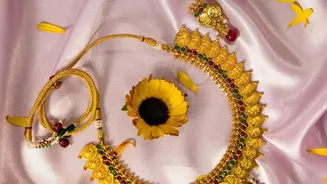
jewellery, maximalism is less of a fleeting trend and more of a return to roots. For generations, Desi festive and bridal dressing has been defined by its love for ornamentation, where jewellery isn't just an accessory but the main event. Think of heritage craft traditions like Kundan, Polki, and temple jewellery, which were never designed to be subtle. This resurgence isn't about chaotic clutter; it's about intentional, joyful expression. It’s a rejection of quiet conformity, allowing for a celebration of individuality through bold, statement pieces that tell a story.
Decoding the Layered Necklace
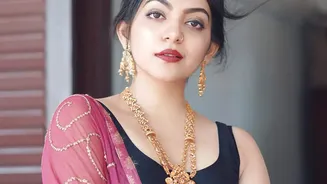
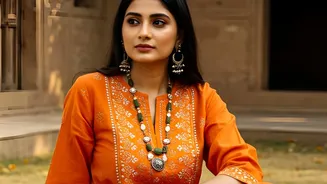
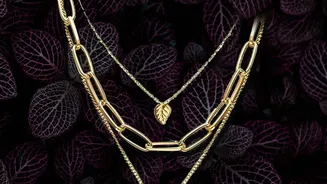
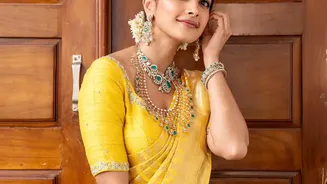
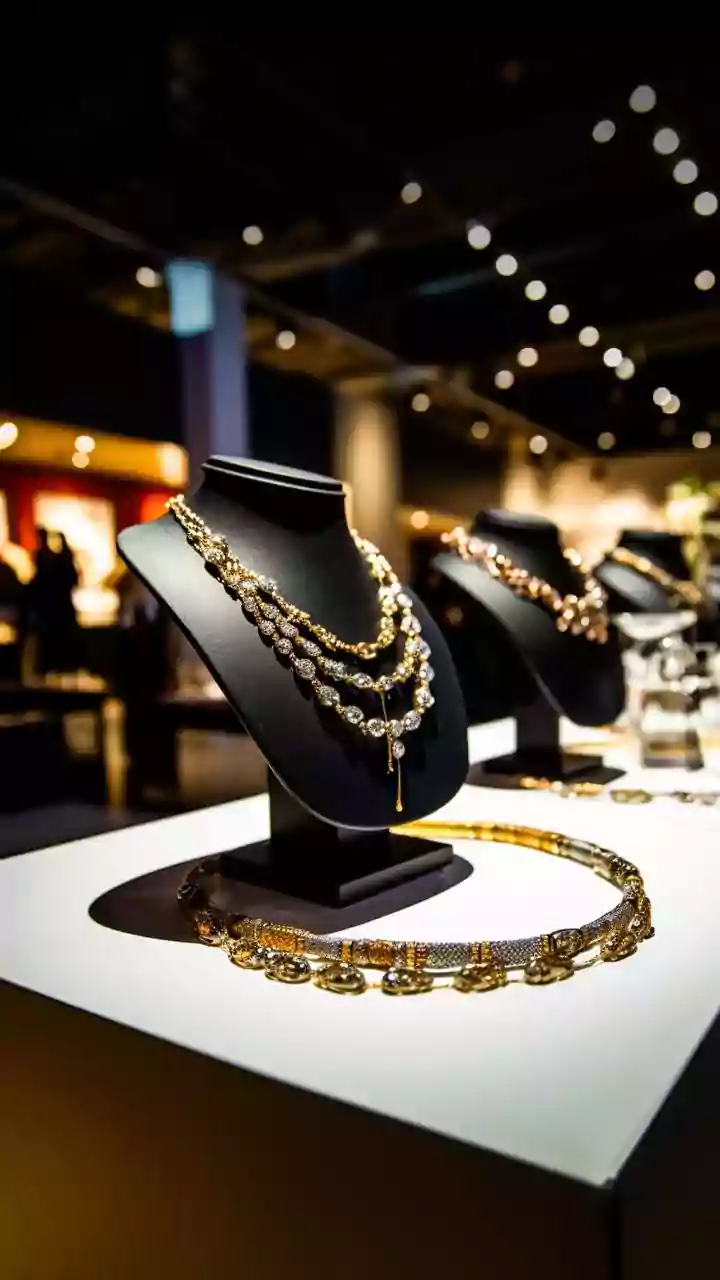
At the heart of the maximalist jewellery trend is the art of layering necklaces. But this isn't about randomly throwing on multiple chains. True layering is a thoughtful process of combining different styles, lengths, and weights to create a single, cohesive look. Historically, this has been a part of Indian culture for centuries, from the royal courts to bridal trousseaus. The most classic formula involves a trio: a choker that sits high on the neck, a mid-length necklace, and a long, dramatic haar that draws the eye downward. Iconic pieces like the Rani Haar, a long, majestic necklace often ending in a statement pendant, and the Satlada, a Hyderabadi speciality featuring seven strands of pearls or gems, are cornerstones of this style. The goal is to create harmony and dimension, not competition between pieces.
How to Master the Art of the Stack
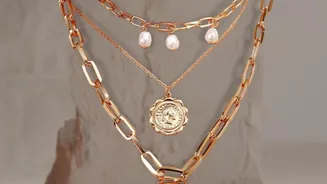
Ready to try it yourself? The key is balance. Start by choosing a 'hero' piece to anchor your look, which could be a heavy choker or a long Rani Haar. Then, build around it. A non-negotiable rule is to vary your lengths, ensuring there's a visible gap of at least two inches between each necklace to prevent tangling and create a clean, tiered effect. Mixing textures adds visual interest—pair a smooth pearl strand with a detailed Kundan piece, or a simple gold chain with a heavy pendant. While traditionally it was advised to stick to one metal, modern styling encourages intentionally mixing metals for a contemporary edge. Finally, consider your outfit's neckline. A V-neck is perfect for showcasing a cascade of necklaces, while a high neckline might call for longer chains that sit below the collar.
Beyond the Necklace: A Full Maximalist Look
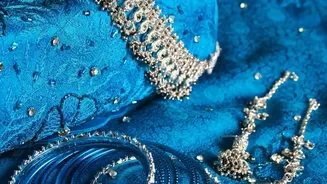
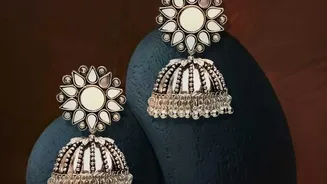
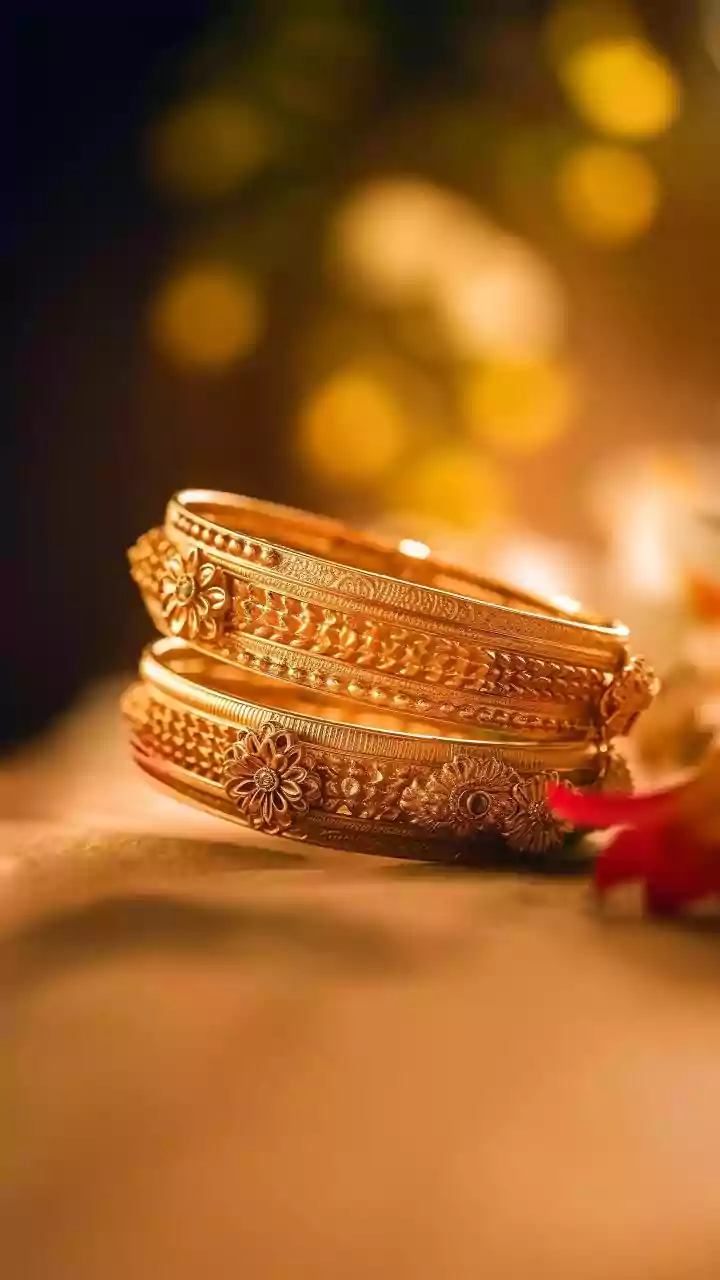
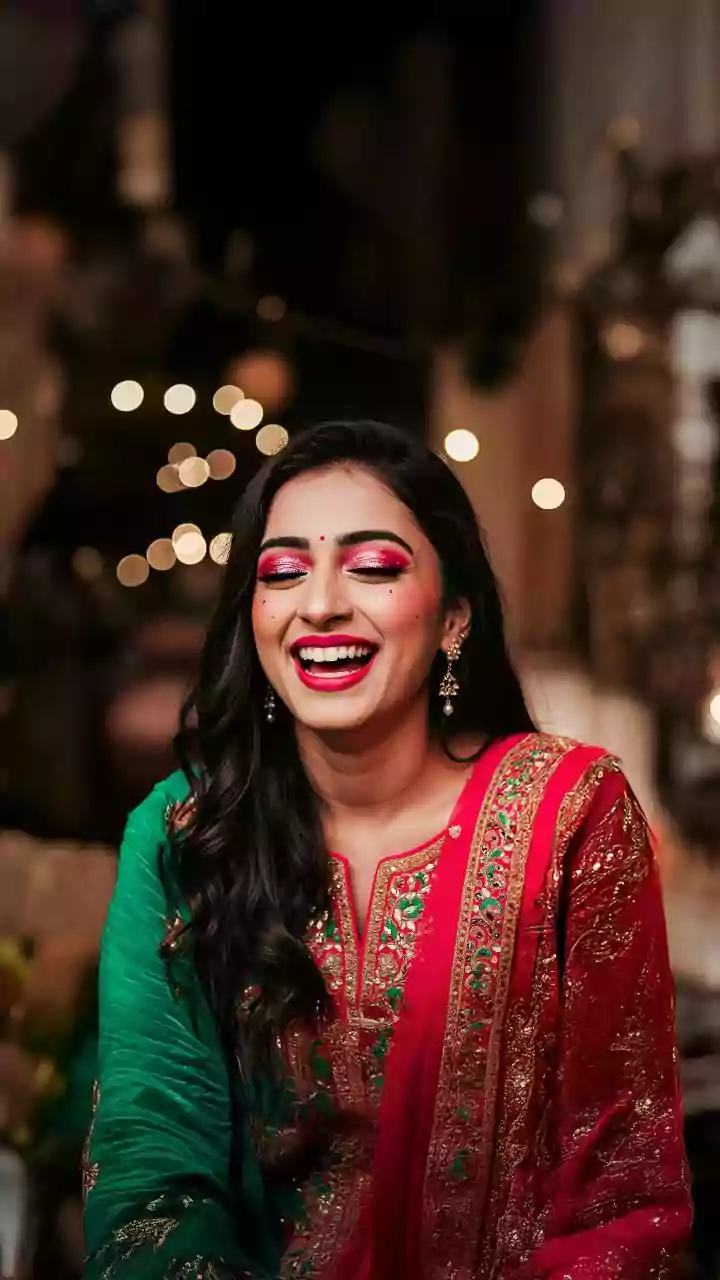
While layered necklaces are the showstopper, true maximalism extends to other forms of adornment. Statement earrings, like oversized jhumkas or chandbalis, can become the focal point of an outfit, especially when the neckline is kept simple. In this case, you might opt for more delicate necklaces or skip them entirely to let the earrings shine. Stacking bangles and bracelets is another way to embrace the trend. Mix chunky kadas with delicate glass bangles or create a modern stack of cuff bracelets on one wrist. Don't forget other traditional pieces like a maang tikka or a statement ring. The idea is to create a look that feels opulent yet balanced, where each piece contributes to the overall grandeur without overwhelming it. Even Bollywood celebrities are showcasing how to layer different pieces, from dainty chains for a casual look to heavy traditional sets for festive occasions.