


The Protein Power in Your Pantry
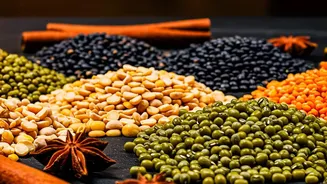
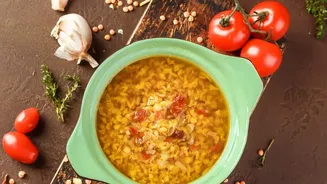
In the quest for a protein-rich diet, many people overlook the treasure already sitting in their pantries: lentils, or dal. As a cornerstone of Indian cuisine, dal is not just comfort food; it's a fantastic source of plant-based protein, fibre, and essential
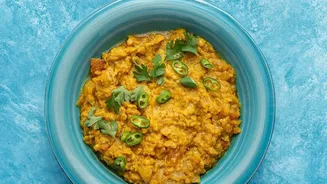
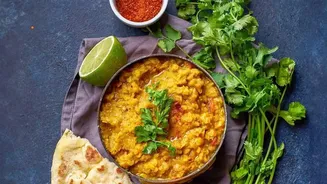
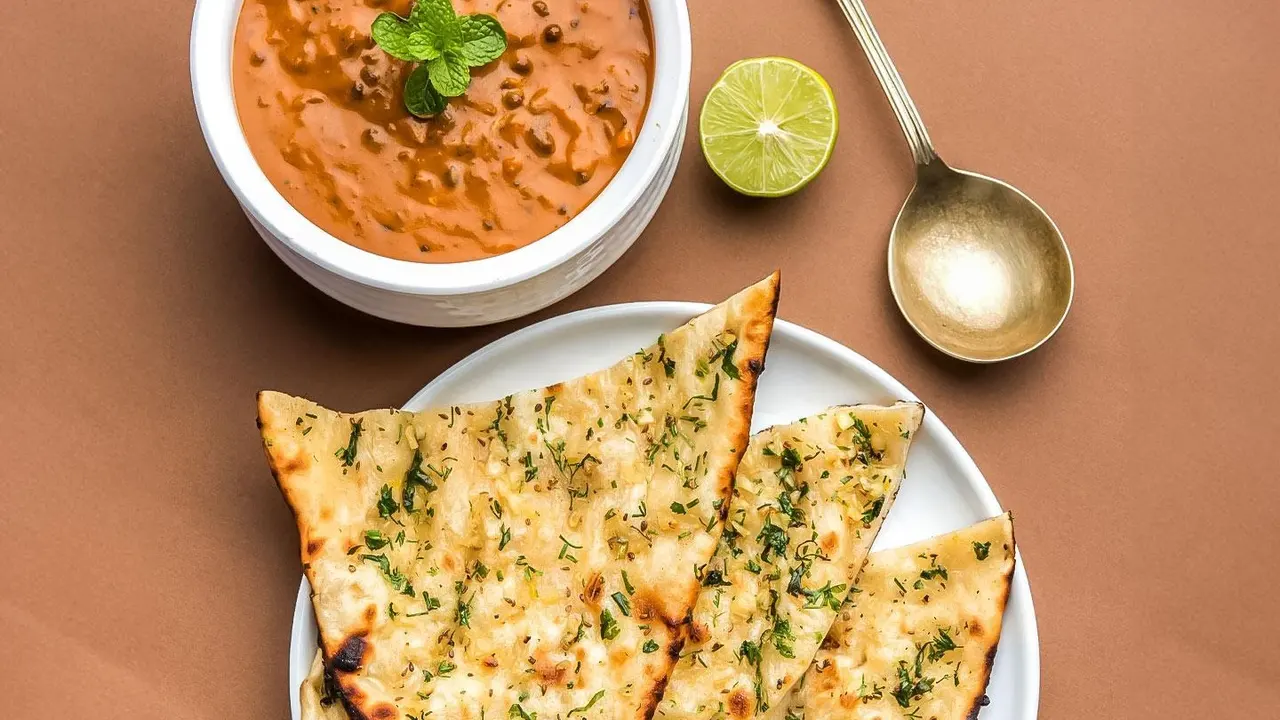
minerals. Depending on the variety, 100 grams of uncooked dal can contain anywhere from 20 to 25 grams of protein, making it one of the most efficient and affordable ways to meet your daily needs. From the creamy Dal Makhani made with Urad Dal to a simple Tadka Dal using Toor or Masoor, these lentils are the versatile foundation of a healthy diet that has nourished the subcontinent for centuries.
Complete vs. Incomplete: A Simple Guide
To understand how to maximise the protein from dal, it helps to know about 'complete' and 'incomplete' proteins. Proteins are made of building blocks called amino acids. There are nine essential amino acids that our bodies cannot produce and must get from food. A 'complete' protein contains all nine. Most animal products like milk, paneer, and eggs are complete proteins. Most plant-based foods, including dal, are 'incomplete', meaning they are low in one or more of these essential amino acids. Specifically, dals are typically low in an amino acid called methionine, while grains like rice and wheat are low in lysine, which dal has in abundance.
The Classic Pairings That Complete the Chain
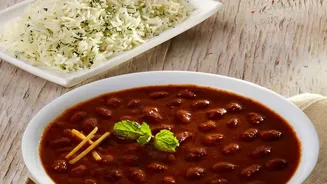
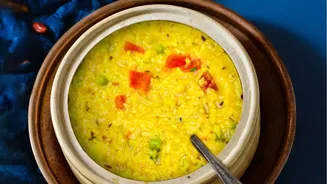
The good news is that Indian culinary traditions have been intuitively solving the incomplete protein puzzle for generations. The classic combinations of dal with rice or dal with roti are not just about taste and texture; they are a perfect example of protein complementation. When you eat dal and rice together, the amino acids from the grain complete the profile of the lentils, giving your body all nine essential building blocks. This is why meals like Dal Chawal, Khichdi, and Rajma Chawal are not only comforting but also nutritionally brilliant. The same principle applies to eating dal with any whole grain, including millets like bajra or jowar.
Choosing Your Dal: A Quick Comparison
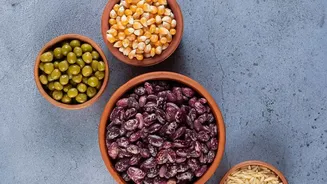
While all dals are good for you, their protein content can vary slightly. Urad Dal (black gram) and Moong Dal (green gram) are often at the top of the list, offering around 24-25 grams of protein per 100g (dry). Toor (Arhar) Dal and Chana Dal are close behind with about 21-22 grams. Masoor Dal (red lentil), while slightly lower in protein, cooks very quickly, making it a convenient option for busy weeknights. A great way to get a wider range of nutrients is by making Panchmel Dal, a Rajasthani speciality that combines five different types of lentils.
Simple Boosts for Your Everyday Dal
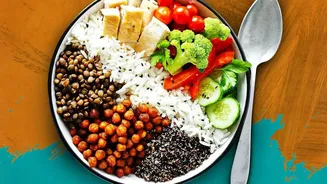
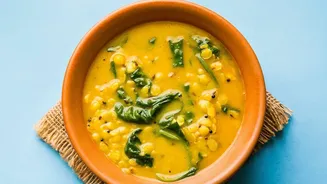
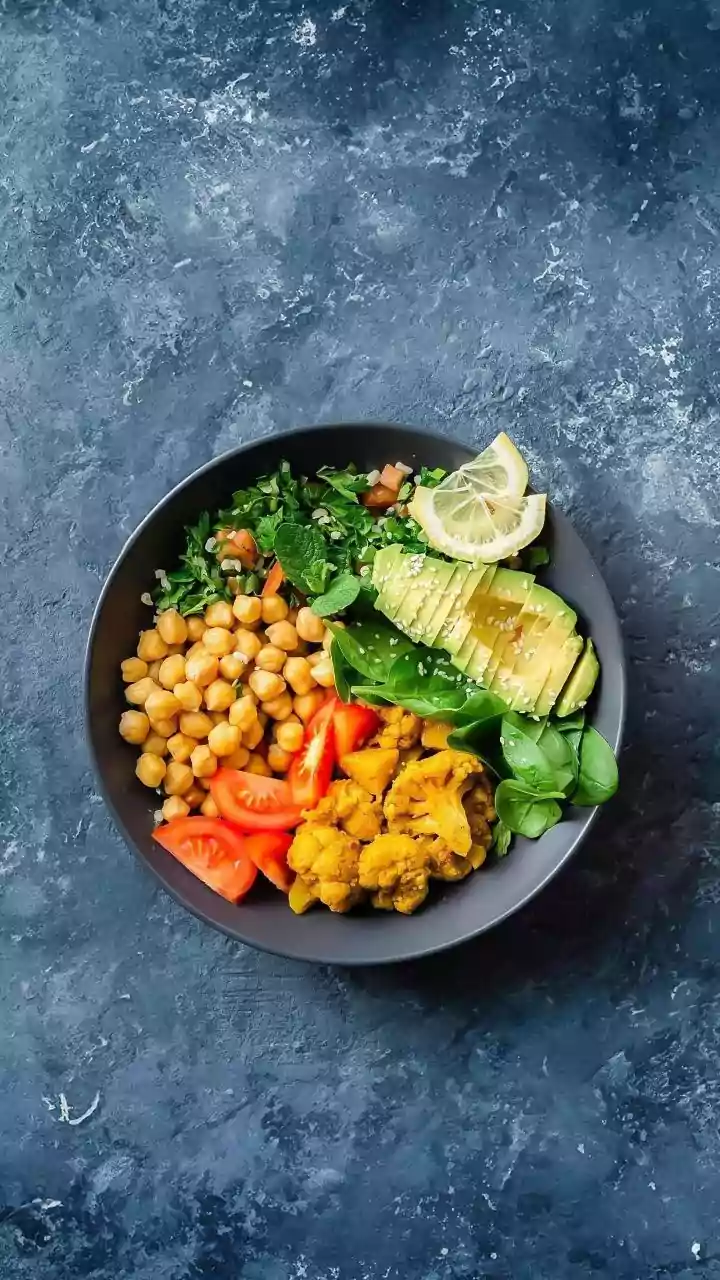
Beyond pairing with grains, you can easily enhance the protein content of your dal with a few simple additions. Stirring in chopped spinach not only adds vitamins and iron but also a bit of extra protein. Adding a tempering (tadka) with nuts or seeds like pumpkin seeds or peanuts can introduce healthy fats and more amino acids. For a creamy texture and a significant protein boost, a dollop of Greek yogurt or a few cubes of crumbled paneer stirred in just before serving works wonders. Even adding other vegetables can contribute to the overall nutritional value and make your meal more filling and balanced.
Thinking Beyond the Bowl
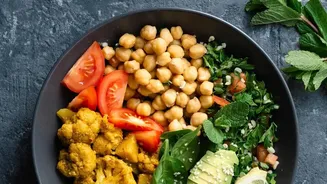
Your protein journey with dal doesn't have to end with a simple curry. Leftover dal can be kneaded into flour to make flavourful and protein-rich parathas. Moong Dal can be ground into a batter to make delicious and savoury chillas, a popular breakfast and snack item that is packed with protein. You can also use cooked and cooled lentils as the base for a refreshing and hearty salad, mixed with chopped vegetables and a light dressing. Sprouting lentils like moong before cooking them can also enhance their nutritional profile and make the protein more digestible. These creative uses ensure that you never get bored while still getting the protein you need.