





Ever wonder why one plant on your balcony thrives while another wilts? The secret lies in your balcony’s microclimates. The same small space can have dramatically different conditions, meaning a one-size-fits-all approach to plant care won't work.
Understanding Your Balcony’s Zones
Even
a small balcony is not a uniform environment. As the sun moves across the sky, it creates distinct zones of light and heat. A corner that gets blasted by the afternoon sun is a world away from a spot that remains in the shadow of a wall for most of the day. These are your balcony's 'microclimates'. Observing these patterns is the first step to becoming a successful balcony gardener. Take a day to note which areas receive more than five hours of direct sun and which get less. This 'light budget' determines everything from which plants you can grow to how you will care for them.
The Sunny Side: Managing Heat and Thirst
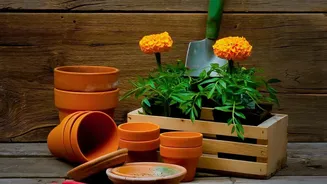
The part of your balcony that receives intense, direct sunlight is perfect for sun-loving flowers and herbs, but it comes with challenges. The sun heats up pots, especially dark-coloured ones, which can cook a plant's roots. It also causes water to evaporate much faster from the soil. Plants in full sun need more frequent and deeper watering than their shaded neighbours. It's best to water in the early morning. To mitigate the heat, consider using larger, light-coloured pots which hold more soil and stay cooler. Grouping pots can also create a bit of shared shade and humidity.
Plant Picks for Sun-Drenched Spots
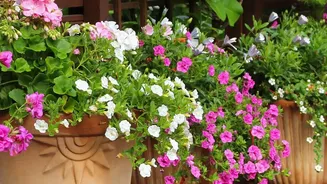
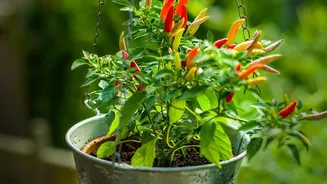
For those sun-soaked areas, choose plants that are known to thrive in Indian heat and light. Bougainvillea is a classic choice, offering vibrant colour and enjoying bright sunlight. Hibiscus, marigolds, and portulaca (table roses) are also excellent options that produce beautiful blooms in sunny conditions. For edibles, plants like curry leaves, holy basil (tulsi), tomatoes, and chillies do well with at least five to six hours of sun. Many of these are relatively low-maintenance once established.
The Shady Corner: Avoiding Rots and Pests
Shaded areas receive less direct light and are generally cooler and retain moisture longer. This makes them ideal for foliage plants but also creates a risk of overwatering, which can lead to root rot and fungal diseases. For plants in these spots, always check the soil before watering; if the top inch or two is still damp, wait another day. Ensure good air circulation to help prevent issues. Rotating the pots every weeks ensures all parts of the plant get some light, preventing lopsided growth.
Plant Choices for Cooler Shade
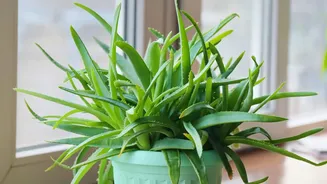
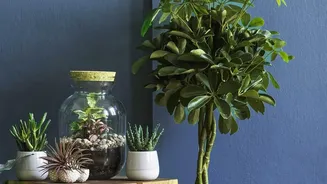
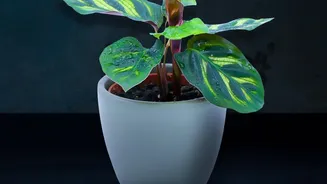
Just because a spot is shady doesn't mean it can't be lush and green. Many beautiful plants prefer indirect light. Money Plant (Pothos), Snake Plant, and the ZZ Plant are famously resilient and do very well in low-light conditions. Ferns add a delicate, feathery texture and thrive in the moist, cool environment of a shady corner. For a touch of elegance, Peace Lilies are a great option, known for their ability to adapt to low-light spaces.