




The Myth of 'Natural is Always Safe'
Social media is filled with tutorials for homemade face masks promising glowing, clear skin using everyday ingredients. The logic seems sound: if you can eat it, surely you can put it on your face. However, dermatologists frequently warn against this
trend. Your skin and your digestive system are two very different environments. The skin has a delicate protective barrier and a specific pH level, which can be easily disrupted by potent, unregulated ingredients from the pantry. While some kitchen staples can be beneficial, others are far too harsh and can lead to irritation, dryness, and even long-term damage.
Kitchen Culprits: Ingredients to Avoid
Certain ingredients are notorious for causing skin trouble. Lemon juice is a primary offender. Its high acidity (a very low pH of around 2) can disrupt the skin's natural, slightly acidic barrier (which sits at a pH of 4.5-5.5). This can cause irritation, dryness, and phytophotodermatitis—a chemical burn that occurs when the treated skin is exposed to sunlight. Another popular but problematic ingredient is baking soda. With an alkaline pH of around 9, it aggressively strips the skin's protective oils, which can ironically lead to more oil production and acne. Other items to be wary of include raw apple cider vinegar, which is too acidic; undiluted essential oils, which can cause allergic reactions; and abrasive physical scrubs like raw sugar or coffee grounds, which can create micro-tears in the skin.
The Skin Barrier Explained
Think of your skin barrier as a security guard. This outermost layer, called the stratum corneum, is responsible for keeping moisture in and harmful irritants, bacteria, and allergens out. When it's healthy, your skin looks smooth and hydrated. However, using ingredients that are too acidic or too alkaline throws this system off balance, weakening the barrier. A damaged barrier can't hold onto moisture effectively, leading to tell-tale signs like persistent dryness, flakiness, redness, itchiness, and a stinging sensation when you apply products. For those already dealing with conditions like acne, eczema, or rosacea, a compromised barrier can make flare-ups much worse.
Why Sensitive and Acne-Prone Skin Need Simpler Care
If you have sensitive or acne-prone skin, your skin barrier is likely already more reactive or compromised. Introducing unpredictable, potent DIY ingredients is a high-risk gamble. These skin types benefit most from a 'less is more' approach. Instead of experimenting with a new food-based mask every week, the goal should be consistency and gentleness. Overloading the skin with too many active ingredients, whether from the kitchen or from store-bought products, can overwhelm it and trigger inflammation. A simple, predictable routine helps to calm the skin, support its barrier function, and reduce the likelihood of breakouts and irritation.
Safer DIY Alternatives and Patch Testing
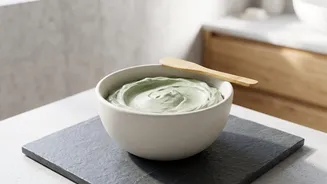
If you still want to enjoy a homemade treatment, choose your ingredients wisely. Gentle, soothing options are your best bet. Colloidal oatmeal is well-known for calming inflamed skin. Plain yogurt contains lactic acid for very gentle exfoliation and probiotics that can soothe the skin. Raw honey (especially Manuka) is a natural humectant that hydrates while offering mild antibacterial properties. Ingredients like mashed avocado, banana, and aloe vera are also generally considered safe and hydrating. Regardless of the ingredient, always perform a patch test. Apply a small amount of the mixture to the inside of your forearm and wait 24 hours to see if any redness or irritation develops before applying it to your entire face.
Building a Minimalist Skincare Routine
For truly healthy skin, especially if it's sensitive or acne-prone, a simple and consistent professional routine often outperforms experimental DIYs. The foundational pillars of a great minimalist routine are straightforward. Start with a gentle, non-stripping cleanser used morning and night. Follow with a hydrator; even oily skin needs moisture to stay balanced, so look for a non-comedogenic (non-pore-clogging) moisturiser. Finally, the most critical step is a broad-spectrum sunscreen in the morning to protect your skin barrier from UV damage. For acne concerns, a targeted treatment with ingredients like salicylic acid can be incorporated carefully, but the core focus should remain on this simple cleanse-moisturise-protect framework.