

A Sweet Collision of Worlds
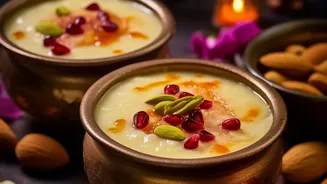
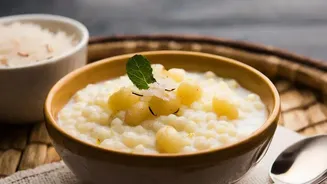
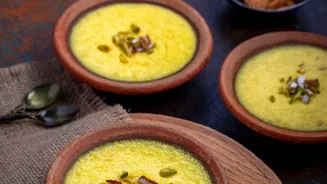
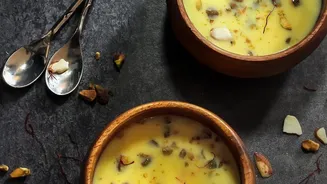
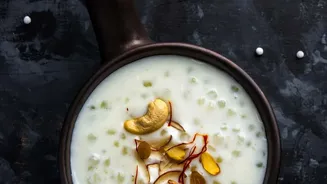
At first glance, Sabudana Rasmalai is a masterful reinvention of a classic. It takes the soft, spongy cheese patties of traditional rasmalai, soaked in fragrant, sweetened milk (rabri), and introduces a new texture: the chewy, pearl-like quality of sabudana.
Recipes often involve creating small balls or patties from soaked and cooked sabudana, sometimes bound with milk powder, which are then simmered in a rich, cardamom- and saffron-infused milk base. The result is a dessert that is both familiar and surprising, hitting nostalgic notes of rasmalai while offering the playful mouthfeel of tapioca pearls. This trend is part of a larger movement in Indian culinary arts, where chefs and home cooks are creating fusion desserts like gulab jamun cheesecake and motichoor ladoo cake, blending traditional sweets with modern formats.
The Sabudana Health Halo
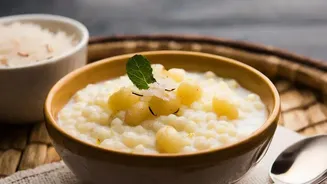
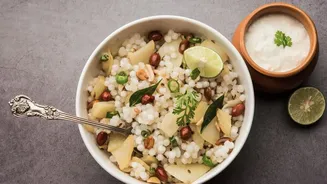
The presence of sabudana, or tapioca pearls, is what lends the dish its perceived health-conscious edge. Often consumed during fasts, sabudana is widely seen as a light, digestible food. It's true that tapioca pearls are gluten-free and easy on the stomach, providing a quick source of energy. However, its nutritional profile is overwhelmingly dominated by carbohydrates and starch. A 100-gram serving of dry sabudana contains around 358 calories and over 88 grams of carbs, with negligible protein, fat, or fiber. While it does provide an energy boost, it's not a significant source of vitamins or minerals. Some sources note it contains amino acids and can help in managing blood sugar by slowing digestion, but it remains a high-calorie, high-carb food best consumed in moderation, especially for those watching their weight or blood sugar levels.
Don't Forget the Rasmalai
The other half of this dessert duo is traditional rasmalai, an indulgence in its own right. Classic rasmalai consists of chenna (an Indian cottage cheese) patties simmered and soaked in 'rabri'—a thickened, sweetened milk flavored with cardamom, saffron, and nuts. A single piece of rasmalai (around 100 grams) can pack approximately 200 to 250 calories, significant amounts of sugar, and saturated fat from the full-fat milk and cream. While it offers some protein and calcium from its milk-based ingredients, it is unequivocally a rich dessert meant for special occasions. The creamy, sweet rabri is the heart of the dish, and it's loaded with calories and sugar.
Putting It All Together
When you combine the starchy, carb-dense sabudana with the sugary, fat-rich components of rasmalai, the final product is a delicious but calorific treat. The 'sabudana balls' are often made with added sugar and milk powder before being cooked in the already sweetened milk. While enjoyable, the dessert doubles down on carbohydrates and sugar rather than offering a balanced nutritional profile. Thinking of Sabudana Rasmalai as a “healthy” alternative is a misconception. It’s a fusion of two high-calorie components, creating a dish that is even more energy-dense. It’s a wonderful indulgence, but it should be enjoyed as just that—a dessert, not a health food.
The Real Appeal: Culinary Creativity
If not for health, what explains the immense popularity of Sabudana Rasmalai? The answer lies in the psychology of food and the human love for novelty. We are naturally drawn to new and exciting food experiences, especially when they offer a clever twist on something familiar and comforting. Sabudana Rasmalai perfectly fits this description. It takes a universally loved Indian sweet and reinvents it, offering a new texture and a fresh talking point. It represents a playful creativity in the kitchen, a desire to experiment and push boundaries that resonates with modern food lovers. The dish isn’t popular because it’s virtuous; it’s popular because it’s interesting, imaginative, and, above all, delicious. It’s a celebration of culinary innovation, proving that sometimes the most exciting flavors come from unexpected combinations.