





The Allure of the A-List Diet
It’s nearly impossible to scroll through social media without seeing a celebrity or influencer sharing the secrets to their physique. From juice cleanses to extreme carb-cutting, these diets promise quick results and offer a tempting link to an aspirational
lifestyle. The appeal is understandable; we are often told that if we just eat like our favourite star, we might capture a bit of their glamour for ourselves. This desire is so common that it fuels a massive industry of diet books, programmes, and endorsements. However, the glossy facade often hides an unrealistic and potentially unhealthy reality. These plans rarely deliver sustainable, long-term benefits and perpetuate the idea that health is determined by a number on a scale, not by genuine well-being.
What's Missing from the Picture?
When a celebrity promotes a diet, they rarely mention the team of professionals working behind the scenes. Many have personal chefs crafting perfectly balanced meals, trainers overseeing their fitness, and the financial resources to access premium ingredients. More importantly, nutrition is not one-size-fits-all. A diet that works for one person might not work for another due to differences in genetics, metabolism, activity level, and underlying health conditions. What we don't see is the context: the diet may be for a specific movie role and followed for only a short period. These extreme measures are often taken for appearance and endorsements, not for achieving lasting health.
The Problem with Restrictive Fads
Many popular celebrity diets, from ketogenic plans to intermittent fasting, involve severe restrictions. Plans that eliminate entire food groups, such as carbohydrates or dairy, can lead to significant nutrient deficiencies. For example, cutting out carbs means you miss out on your body's primary source of fuel, which can cause fatigue and lethargy. Similarly, so-called 'detoxes' and 'cleanses' are often unnecessary, as our liver and kidneys are incredibly efficient at removing toxins from the body naturally. These restrictive eating patterns can also be a form of disordered eating, leading to unhealthy cycles of restriction and binge eating, anxiety, and a negative relationship with food.
The Real Health Risks
Beyond nutrient gaps, fad diets can pose serious health risks. Very low-calorie or high-protein diets, like the Atkins diet, have been linked to potential issues like kidney problems, heart disease, and osteoporosis. The yo-yo effect of losing weight quickly only to regain it is also a significant concern. This weight cycling can have adverse metabolic consequences. Disordered eating habits prompted by these diets can lead to more severe conditions, including bone loss, gastrointestinal issues, and electrolyte imbalances. Many of these regimens are not based on sound scientific principles but on anecdotes and pseudoscience, and following them can delay proper medical or nutritional care.
A Smarter, Sustainable Approach
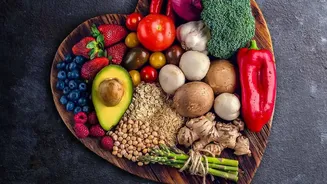
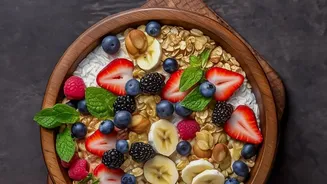
Instead of chasing the latest celebrity trend, the most effective path to health is a balanced and sustainable one. Experts agree that a healthy eating pattern involves variety, balance, and moderation, not the arbitrary removal of food groups. Rather than eliminating foods, focus on adding nutrient-dense options like fruits, vegetables, and whole grains. If you’re looking to improve your diet, the best first step is to consult a registered dietitian or a qualified healthcare professional. These experts can help you create a personalised plan based on your unique needs, lifestyle, and health goals, providing guidance that is both safe and effective for the long term. Remember, the goal is not a quick fix, but a lifestyle that nourishes your body and supports your overall well-being.