





A New Power Bloc Emerges
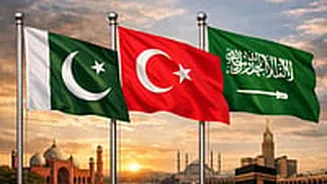
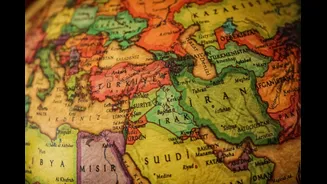
On August 7, 2026, Saudi Arabia, Turkey, and Pakistan signed the Mecca Joint Defence Agreement, a trilateral mutual defence pact. The core principle echoes NATO's famous Article 5: an armed attack against one signatory is to be treated as an attack against all
three. The deal formalises and expands upon a previous bilateral agreement between Saudi Arabia and Pakistan from 2025, officially bringing Turkey's considerable military and industrial might into the fold. Hosted in Mecca and announced by Saudi Crown Prince Mohammed bin Salman, Turkish President Recep Tayyip Erdogan, and Pakistani Prime Minister Shehbaz Sharif, the pact signals a significant attempt by regional players to build their own security architecture.
The Unspoken Motivations
While officials have publicly stated the pact is defensive and not aimed at any specific country, its timing is telling. It arrives amid heightened regional tensions, including the ongoing war in Yemen and the broader fallout from the 2026 US-Iran conflict, which has made Gulf states increasingly concerned about the reliability of traditional security guarantees from Western powers. For Saudi Arabia, it is a hedge—a way to diversify its security options beyond its long-standing relationship with the United States. For Pakistan, the agreement deepens its strategic partnerships and provides crucial economic support from the Gulf. Turkey, meanwhile, expands its influence as a major defence exporter and key player in regional geopolitics.
The Ambiguity at its Core
Herein lies the challenge mentioned in the headline. The pact's language is intentionally broad, creating expectations without defining the specifics. The full text of the agreement has not been made public, leaving critical questions unanswered. Analysts note that it lacks the detailed command structures and operational integration that define an alliance like NATO. What exactly constitutes an “armed attack” that would trigger a collective response? Would it include proxy conflicts or attacks on maritime assets? Furthermore, the agreement does not outline automatic, mandatory military obligations. This ambiguity gives each signatory the flexibility to decide how, or even if, it will respond in a crisis, making the pact's deterrent power more theoretical than proven.
Divergent Interests and Potential Hurdles
The durability of the Mecca Pact will depend on its ability to navigate the different strategic priorities of its members. Saudi Arabia is primarily focused on threats from Iran and its proxies, like the Houthis in Yemen. Turkey has its own complex security calculus involving Kurdish groups, its role in Syria, and its relationship with Russia. Pakistan's main security concerns have historically centered on its rivalry with India. These diverging interests could make a unified response difficult in a real-world crisis. Critics argue the pact is more of a symbolic political statement than a cohesive military alliance, designed to project strength and strategic autonomy. Its true strength will only be revealed when one of its members faces a direct threat and calls for aid.