





Why Are Rice Prices in Focus?
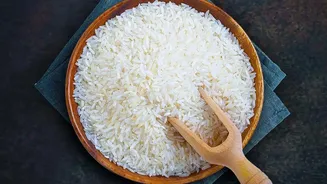
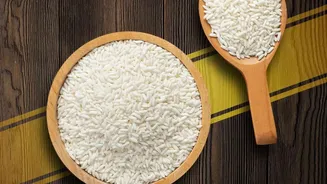
Recently, household budgets have been feeling the strain as rice prices have climbed. Both premium Basmati and common non-Basmati varieties have seen significant price hikes of 15-25% in the first quarter of the fiscal year. For example, Sona Masoori,
a popular daily-use rice, has risen from around ₹52 per kg to over ₹63 per kg in some markets. This surge is not happening in a vacuum. A combination of factors is at play, including deficient rainfall in key southern states like Andhra Pradesh, Karnataka, and Telangana, which has tightened domestic supply. At the same time, international factors, such as geopolitical conflicts like the US-Iran war, have led other countries to aggressively buy food stocks, boosting global demand for Indian rice.
The Government's Intervention Rules
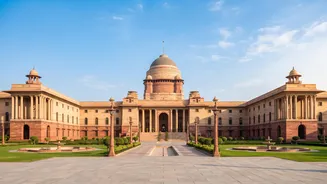
To manage domestic prices and ensure food security, the Indian government has historically used several policy tools, often referred to as 'the rule'. These interventions primarily include imposing export restrictions or outright bans on certain rice varieties, and setting a Minimum Support Price (MSP) to guarantee a floor price for farmers. In 2023, facing rising food inflation, the government banned exports of non-basmati white rice and placed duties and other restrictions on parboiled and basmati rice to keep more supply within the country. The goal was straightforward: increase domestic availability and cool down prices for Indian consumers. While some of these restrictions were eased or modified later in 2024 with improved crop forecasts, the principle of intervention remains a key part of the government's strategy.
The Source of the Conflict
While intended to protect consumers, these rules have created significant conflict. Farmers and exporters are often the first to feel the negative impact. Export bans cut them off from lucrative global markets where prices are higher, directly reducing their income. This has led to frustration among agricultural communities who argue that these policies suppress their earnings. The conflict is a classic tug-of-war: the government's mandate to control inflation and ensure affordable food for a vast population versus the farmers' need for fair, market-driven prices that make agriculture viable. Even when the intention is to help, the outcome isn't always clear-cut. Despite export bans, domestic food inflation has, at times, remained stubbornly high, leading to a double impact where farmers lose income and still face high prices as consumers.
The Clear Limits of Intervention
Government intervention has clear and significant limits. Firstly, it cannot fully insulate the domestic market from global realities. While an export ban might temporarily lower prices, it distorts the market. Once the ban is lifted, there can be a sudden flood of surplus rice onto the global market, causing prices to crash and creating long-term volatility for farmers. Secondly, procurement systems like MSP are not universally effective. While the government announces MSP for over 20 crops, actual procurement is heavily focused on rice and wheat, leaving farmers of other crops with little real support. This focus also discourages crop diversification, as farmers are incentivized to grow what the government buys, leading to agricultural imbalances. Ultimately, these rules can act as a temporary dam but cannot stop the river of fundamental supply and demand pressures.
What This Means for You
For the average consumer, this complex web of policy, weather, and global events translates directly to the price paid at the local kirana store. In the short term, government interventions like export restrictions can provide temporary relief from sharp price spikes. However, the ongoing price firmness suggests that deeper issues like weather patterns and strong international demand are powerful forces. Traders expect prices to remain elevated until the new Kharif crop arrives in October-November, and even then, relief will depend on a good harvest and stable global demand. This means that while government rules attempt to manage the situation, consumers will likely continue to face the reality of higher rice prices, a direct consequence of the delicate and often conflicting balance between market forces and policy controls.