





The Real Culprit: It's the Heat, Not the Coffee
First, let's clear up a common misconception. For years, coffee itself was studied for potential links to cancer, but the focus has now shifted. In 2016, the World Health Organization's International Agency for Research on Cancer (IARC) removed coffee from
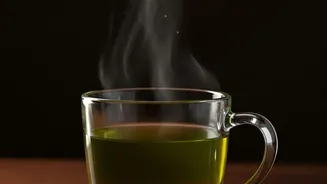
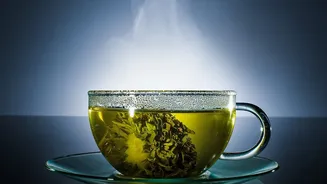
its list of possible carcinogens. Instead, it classified the consumption of "very hot beverages" as "probably carcinogenic to humans". This crucial distinction means the risk is not in what you drink, but how hot you drink it. The finding applies to any beverage, be it coffee, tea, or even water, consumed at scalding temperatures.
How Hot Is 'Piping Hot'?
The key question is, what temperature is considered risky? The IARC defines "very hot" as any beverage consumed at a temperature above 65°C (149°F). To put that into perspective, this is significantly hotter than the temperature at which most people can comfortably sip a drink without scalding their mouth. Studies, including a major one from the University of Oxford, have reinforced this, showing a significantly increased risk for a type of oesophageal cancer called squamous cell carcinoma (SCC) in those who prefer their drinks "very hot" compared to "warm". One study even found that drinking 700ml of tea per day at 60°C or higher was associated with a 90% increased risk.
The Science of Thermal Injury
The mechanism behind this risk is known as thermal injury. Repeatedly exposing the delicate lining of your oesophagus (the food pipe connecting your throat to your stomach) to scalding temperatures can cause damage. This constant injury leads to chronic inflammation and can damage the cells. Over a long period, this cycle of damage and repair can increase the chances of cellular changes that may lead to cancer. Endoscopic studies have shown that hot liquids can cause visible, reversible damage to the oesophageal lining, sometimes creating a distinctive "candy-cane" appearance of red and white bands as the tissue gets inflamed and heals.
Putting the Risk in Perspective
While these findings sound alarming, it is important to contextualise the risk. Oesophageal cancer is relatively uncommon, so even a threefold increase in relative risk results in a low overall lifetime chance of developing the disease for most people. Furthermore, established risk factors like smoking and heavy alcohol consumption have a much stronger influence on your chances of developing this type of cancer. In fact, some studies show the risk from hot drinks is most pronounced when combined with these other habits. Doctors in India have noted that while tobacco and alcohol are major culprits, the cultural habit of drinking very hot tea and coffee is an often-overlooked contributor, particularly as cases are frequently detected at late stages.
Simple Steps for Safer Sipping
The good news is that this risk is entirely preventable with a simple change in habit. The advice from experts is straightforward: let your drink cool down. You don't need a thermometer; a good rule of thumb is to wait until your cup is comfortable to hold and you can sip without wincing or burning your tongue. Waiting just a few minutes after pouring can make a significant difference. Some coffee shops serve drinks at temperatures as high as 175°F (around 80°C), so giving it time to cool is wise. One study looking for an optimal balance between flavour and safety suggested a drinking temperature of around 58°C (136°F).