





A Glimpse into a Glorious Past
Imagine a thriving capital city in the heart of India, a place bustling with trade, scholarship, and spiritual life. This was Sirpur, or 'Shripur' (the city of wealth), during its golden age between the 5th and 12th centuries. As the capital of the Dakshina
Kosala kingdom under rulers like the Panduvamshis, it was a nerve centre for political and cultural activity. The famous 7th-century Chinese traveller Xuanzang (also known as Hiuen-Tsang) visited and wrote of a prosperous city with around 100 Buddhist monasteries and thousands of monks. For centuries, it was a beacon of architectural innovation and, remarkably, religious harmony, before it mysteriously declined and was gradually reclaimed by nature.
Rediscovery and Astonishing Finds
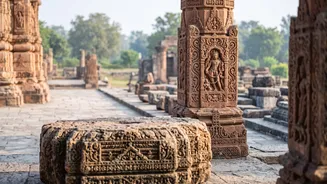
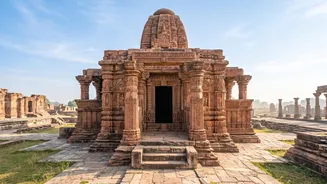
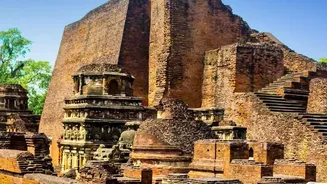
Though first noted by British archaeologist Alexander Cunningham in 1882, Sirpur’s true marvels remained hidden until major excavations began in the 1950s and gained momentum after 2000. What archaeologists unearthed was staggering: a sprawling urban landscape featuring 22 Shiva temples, 10 Buddhist monasteries (viharas), three Jain viharas, five Vishnu temples, and even a 1,500-year-old underground market and bathing complex. The discovery of the 7th-century Lakshmana Temple, one of India's finest surviving brick temples, was a landmark moment. These excavations proved that Sirpur wasn't just a religious site but a sophisticated city with palaces, advanced water management, and a thriving commercial life.
A Unique Tapestry of Faiths
Perhaps Sirpur's most compelling argument for 'Outstanding Universal Value'—a key UNESCO criterion—is its extraordinary religious syncretism. It's exceptionally rare to find major Hindu, Buddhist, and Jain monuments coexisting in such close proximity within a single ancient settlement. Excavations have revealed Shaivite and Vaishnavite temples standing near grand Buddhist monasteries and Jain shrines. This archaeological evidence points to a period of remarkable tolerance and cultural exchange. Rulers, like the Shaivite king Mahashivgupta Balarjuna, were known to patronise Buddhist monasteries, fostering an environment where different faiths and artistic traditions could flourish side-by-side.
The Long Road to Nomination
Becoming a World Heritage Site is a marathon, not a sprint. The first crucial step is for a country to place a site on its 'Tentative List', an inventory of locations it considers to have potential for future nomination. Sirpur was recently added to India's Tentative List, a significant milestone that officially started its journey. This is not the final inscription, but it allows the government and bodies like the Archaeological Survey of India to prepare a detailed nomination dossier. This dossier will meticulously document Sirpur's history, archaeological significance, and state of conservation. The document, aiming for a submission like the one noted for September 2026, will argue why Sirpur's cultural landscape is of importance not just to India, but to all of humanity.
What UNESCO Status Would Mean
For Sirpur, a UNESCO World Heritage tag would be transformative. It would bring global recognition, boosting heritage tourism and creating economic opportunities for the region. More importantly, it would unlock international expertise and potentially funding for the site's long-term conservation and management. The inscription would affirm the site's incredible story of religious harmony and architectural genius on the world's most prestigious cultural stage. It represents the culmination of decades of patient archaeological work and a growing recognition of the treasures that still lie hidden within India's landscape. As the nomination process moves forward, Sirpur stands as a powerful reminder of a sophisticated and tolerant past, waiting to share its lessons with the modern world.