

Why Less Is More with Saffron
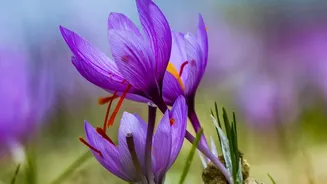
Saffron is renowned for its intense aroma and the golden-yellow hue it imparts to dishes. This potency comes from three main chemical compounds: crocin (colour), picrocrocin (taste), and safranal (aroma). These compounds are so powerful that a very small
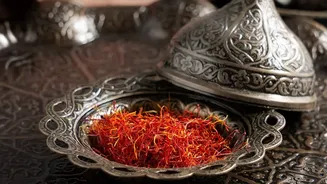
amount is all you need. In fact, using too much saffron can be a costly mistake in more ways than one. An excess of saffron doesn't make a dish more luxurious; it makes it bitter. The subtle, floral, and earthy notes that saffron is prized for are completely overwhelmed by a medicinal, harsh bitterness when overused. The hallmark of high-quality saffron is a gentle bitterness that adds depth, not an overpowering flavour that ruins a meal. A little truly goes a long way, with most recipes for a family of four to six requiring just a pinch—about 15 to 20 threads.
The Crucial Step: How to Bloom Your Saffron
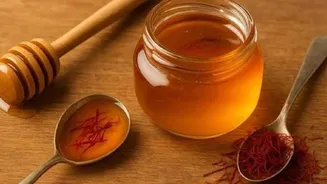
Simply tossing saffron threads directly into your dish is a common mistake that wastes both money and flavour. Saffron threads are hydrophilic, meaning they need liquid to release their precious colour and flavour compounds. This process is called 'blooming'. To do it correctly, take your pinch of saffron threads and gently crush them, either with your fingers or in a small mortar and pestle. Grinding them helps to release even more of their essence. Then, steep the crushed threads in a few tablespoons of warm (not boiling) liquid for at least 10 to 15 minutes. The liquid can be water, milk, or broth, depending on your recipe. You will see the liquid turn a stunning golden-orange colour. This saffron-infused liquid—along with the threads—is what you should add to your cooking, ensuring the flavour and colour are distributed evenly.
A Practical Guide to Saffron Dosages
The vague instruction of 'a pinch' can be confusing, but there are some general guidelines. For most rice dishes like biryani or risotto serving four to six people, about 15-30 threads are sufficient. This is equivalent to about 0.1 grams. For a cup of Kesar chai or milk, just 3-4 threads are enough to impart its beautiful character. A good rule of thumb is to start with about 2-3 threads per person you are serving. Remember that the flavour deepens and evolves with cooking time. If you're making a long-simmered stew, adding the bloomed saffron in the last 15-20 minutes will preserve more of its delicate aroma, while adding it earlier will result in a deeper, more integrated flavour.
Ensuring Quality for Maximum Flavour
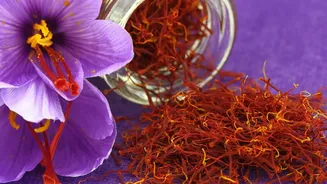
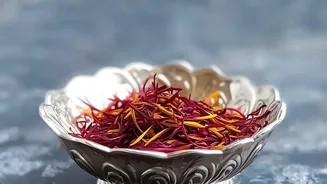
Because saffron is so valuable, the market is unfortunately rife with fakes. Adulterated saffron often consists of dyed corn silk, safflower threads, or other vegetable fibres. Using a high-quality product is essential, as you'll get more flavour from fewer threads, making it more economical in the long run. Real saffron threads have a distinct trumpet shape—thinner at one end and flared at the other. They should be a deep, uniform red. When you place real saffron in tepid water, it will slowly release a golden-yellow colour, while the threads themselves remain red. Fake saffron often bleeds colour immediately, turning the water red, and the threads may lose their colour. Authentic saffron also has a unique aroma, often described as smelling sweet like honey and hay, but it should taste slightly bitter, not sweet.