







The Visa: Your Ticket to Enter
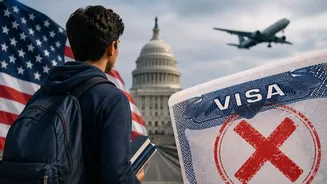
Think of a U.S. visa as a travel document. It’s the sticker or stamp in your passport that grants you permission to travel to a U.S. port of entry and request admission. A visa is issued by the U.S. Department of State (DoS) through its embassies and consulates
abroad. Its primary function is for entry. Once you are inside the United States, the visa's main job is done, although it remains in your passport. In fact, it is possible for your visa to expire while you are lawfully in the U.S., as long as you maintain your student status through other means. The key takeaway is that the visa is managed by the Department of State and is fundamentally about permission to travel to the U.S. border.
The SEVIS Record: Your Status to Stay
Your SEVIS (Student and Exchange Visitor Information System) record is your digital lifeline as a student in the U.S. It is managed by the Department of Homeland Security (DHS). This record confirms you are maintaining your F-1 student status. It's linked to your Form I-20, the document issued by your school that certifies you are eligible for that status. Your school's Designated School Official (DSO) is responsible for updating your SEVIS record to show you are enrolled full-time, making normal academic progress, and following all regulations. Unlike the visa, which is for entry, the SEVIS record is what governs your legal ability to remain in the country and continue your studies.
What is a Visa Revocation?
A visa revocation is when the Department of State cancels your visa, making it invalid for future travel to the United States. This can happen for various reasons, sometimes without advance warning. If your visa is revoked while you are inside the U.S., it does not automatically terminate your student status or require you to leave the country. As long as your SEVIS record remains active and you continue to meet all the requirements of your F-1 status (like full-time enrollment), you can legally remain in the U.S. to study. The major consequence is that you cannot leave the U.S. and re-enter on that visa. You would need to apply for a new one at a consulate, with no guarantee of approval.
What is a SEVIS Termination?
A SEVIS termination is a much more immediately severe event. This action, taken within the DHS database either by your DSO or by immigration officials, means your F-1 status has ended. Reasons for termination typically involve a violation of student status, such as dropping below a full course load without authorization, unauthorized employment, or academic suspension. The consequences are direct and serious: you are now considered "out of status." This means you lose all student benefits, including any on-campus or off-campus work authorization. In most cases of termination for a status violation, there is no grace period; you are expected to leave the U.S. immediately or seek reinstatement of your status.
The Core Distinction and Why It Matters
Here is the most important difference: Visa revocation affects your ability to travel into the U.S., while SEVIS termination affects your legal right to stay in the U.S. A revoked visa with an active SEVIS record means you can likely continue your studies but cannot travel internationally without getting a new visa. A terminated SEVIS record, on the other hand, means you have lost your legal status within the country, regardless of whether your visa stamp is still physically in your passport. While a visa revocation can sometimes lead to a SEVIS termination, they are not the same action. One is a State Department decision about a travel document; the other is a Homeland Security action regarding your legal presence.
What Are Your Immediate Steps?
If you receive notice that your visa has been revoked, contact your school's DSO or international student office immediately. They can help you confirm that your SEVIS record is still active and advise you on the implications, especially concerning international travel. If your SEVIS record is terminated, the situation is more urgent. You must contact your DSO right away to understand why the termination occurred and discuss your limited options, which are generally to apply for reinstatement with U.S. Citizenship and Immigration Services (USCIS) or to depart the U.S. and attempt to re-enter with a new I-20 and SEVIS record. Reinstatement is a long and uncertain process, and it's not always an option.