





Meet Your New Neighbour, LHS 1140 b
Located a mere 49 light-years away, LHS 1140 b is a 'super-Earth'—a rocky world significantly larger and more massive than our own planet. It’s about 1.7 times Earth's size and has roughly 5.6 times its mass. This exoplanet orbits a small, cool red dwarf
star, which is the most common type of star in our galaxy. Crucially, it orbits within its star's 'habitable zone'. This doesn't guarantee life, but it is the sweet spot where temperatures could be just right for liquid water to exist on the surface, a key ingredient for life as we know it. Because of its size and location, LHS 1140 b has been a top candidate for atmospheric studies for years, and now, that focus has paid off spectacularly.
The Faint Signature of an Atmosphere
For the first time, scientists have definitively detected an atmosphere on a rocky planet in the habitable zone. The breakthrough came not from seeing clouds, but by spotting helium gas escaping from the planet's upper atmosphere. Using the Magellan Clay Telescope in Chile, a team of researchers watched as the planet transited, or passed in front of, its star. During this transit, they looked for the specific signature of helium absorbing starlight, a clear sign that the gas was present. While helium might seem like an odd gas to get excited about, its presence is a huge tell. Helium is so light that it easily escapes a planet's gravity. Finding it means there must be a substantial, thicker atmosphere below it to continuously replenish the supply.
Why Helium Is a Game-Changer
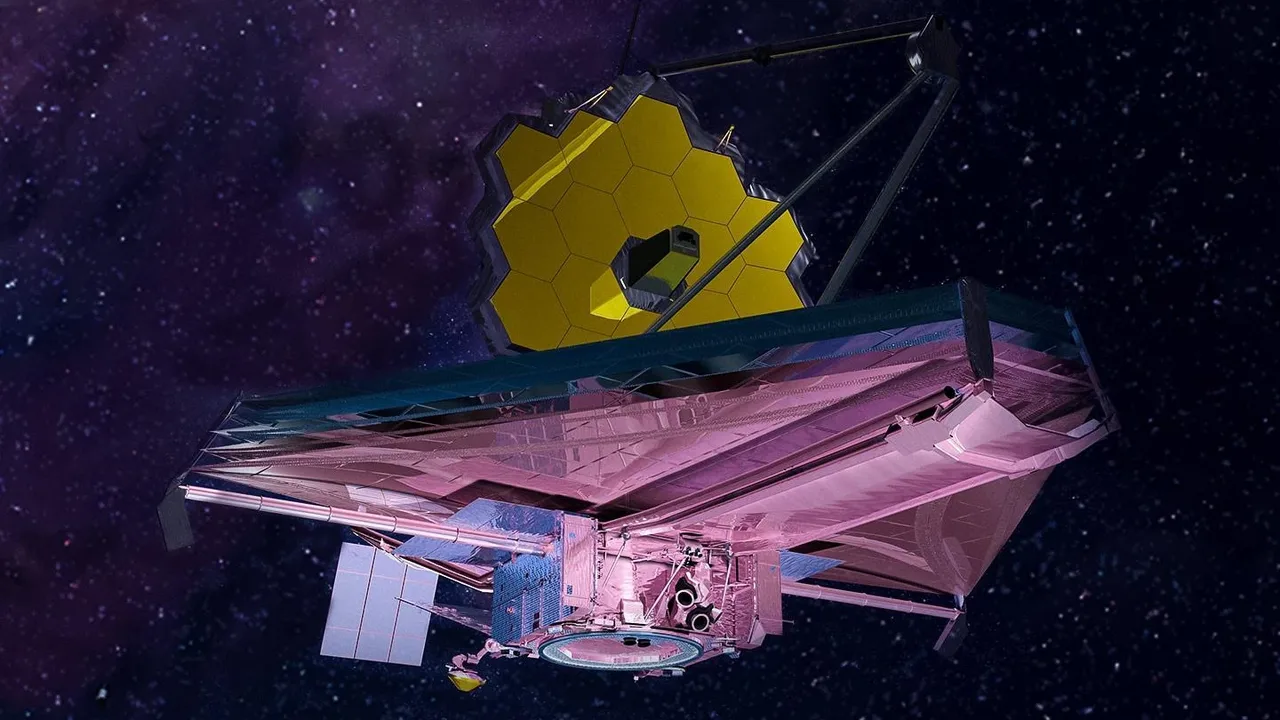
The detection of helium is more than just confirming a gas; it's a validation of a whole new method for studying distant worlds. Proving an atmosphere exists on a rocky planet is incredibly difficult. This discovery shows that looking for escaping helium can act as a reliable tracer. It tells astronomers, 'Yes, there is an atmosphere here worth investigating further.' Previous observations of LHS 1140 b with the James Webb Space Telescope had already ruled out a puffy, hydrogen-dominated atmosphere, suggesting something denser. The helium finding supports this, pointing to a world with an upper layer of helium and heavier gases like nitrogen, carbon dioxide, or even water vapour trapped closer to the surface. This is crucial because a substantial atmosphere is needed to protect a planet from harsh stellar radiation and regulate its surface temperature for liquid water.
Pushing the Boundaries of Planet Hunting
This discovery is particularly significant because LHS 1140 b orbits a red dwarf star. These stars are known for being active, capable of unleashing powerful flares and radiation that can strip atmospheres from nearby planets. The fact that LHS 1140 b, which is billions of years old, has managed to hold onto its atmosphere suggests that rocky worlds in these systems can indeed remain potentially habitable over long timescales. This opens up a vast number of star systems for the search for life. It provides a proof-of-concept that astronomers can use to find and confirm atmospheres on other rocky planets, moving research beyond what was previously possible. Scientists now have a new, validated tool to identify the most promising targets for follow-up observations with powerful instruments like the James Webb Space Telescope.