

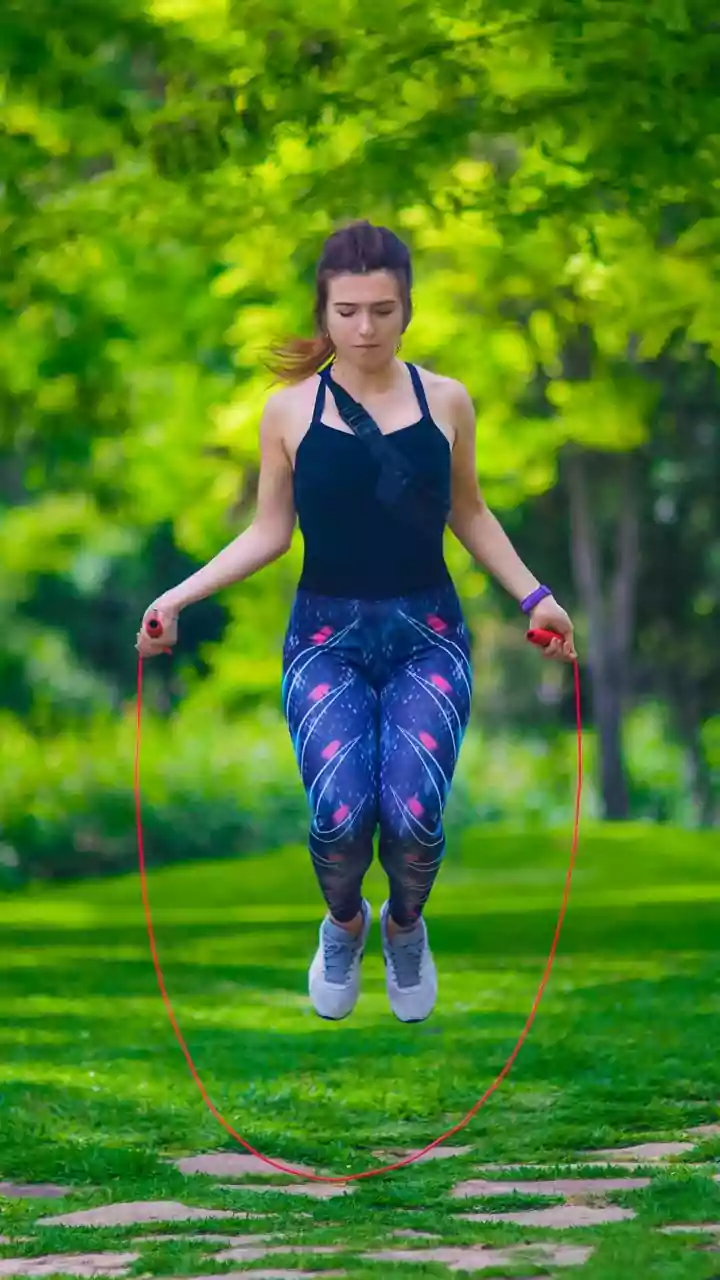





Feeling stuck in your fitness routine? Trading the predictability of the treadmill for the adventure of a nature trail might be the refresh you need. Here’s how to make the switch from an indoor workout warrior to a confident outdoor explorer.
From Climate Control to Fresh Air
The gym
offers a controlled, predictable environment. You know the exact incline of the treadmill and the weight of the dumbbell. Hiking, however, is a workout for the whole self. Research shows that exercising outdoors, sometimes called 'green exercise', offers unique benefits. A short walk in nature can improve your mood, boost concentration, and reduce stress in ways an indoor session might not. The constant, small adjustments your body makes on uneven terrain—stepping over roots, navigating rocks, and bracing against a breeze—engage more stabilizer muscles than a machine-based workout. This variability not only builds functional strength but also keeps your mind engaged as you navigate the path ahead, making the workout feel less like a chore and more like an experience.
Essential Gear Without The Overwhelm
Getting started doesn't require a massive investment. Focus on the three essentials: footwear, clothing, and a pack. The most critical item is your shoes. While dedicated hiking boots offer ankle support, a good pair of trail running shoes with solid grip can be a great, lighter-weight start. The key is to wear something sturdier than your average gym trainers. Next, think in layers. Weather can change, so wear a moisture-wicking base layer (avoid cotton), add a fleece or insulating mid-layer for warmth, and have a waterproof or wind-resistant outer shell handy. Finally, a simple daypack is all you need to carry your essentials: water, snacks, your extra layer, and a small first-aid kit.
Mastering the Trail: Basic Techniques
Hiking isn't just walking; it's walking with intention. If you're used to the flat, even surface of a treadmill, uneven ground is the first new skill to master. Use your eyes to scan the trail a few feet ahead to pick your path. When going uphill, shorten your steps and plant your feet firmly. On the downhill, bend your knees to absorb the impact; this is often harder on the joints than going up. Don't be afraid to take it slow. Finding a sustainable pace you can maintain is more important than speed. Many people are surprised to find that descending a trail can cause more soreness than the climb, so focus on controlled steps to protect your knees.
Choosing Your First Adventure
Your first hike should be about enjoyment, not endurance. Honestly assess your fitness level. If you can comfortably walk for an hour in your neighbourhood, look for a beginner-friendly trail. For a first outing, choose a trail that is relatively short, perhaps 3–5 kilometres, with minimal elevation gain (less than 500 feet). Many parks and nature reserves classify trails as easy, moderate, or difficult. Stick to the 'easy' ones to start. The goal is to finish feeling energized and eager for the next one, not exhausted and defeated. As you get more comfortable, you can gradually increase the distance and elevation.
Safety and Trail Etiquette
Being prepared is the key to a safe and enjoyable hike. Always tell someone where you are going and when you expect to be back. Carry more water than you think you'll need, along with some high–energy snacks. A fully charged phone is a must, but don't rely on it for navigation, as service can be spotty. On the trail, the general rule is that hikers going uphill have the right of way. Be mindful of your surroundings and the wildlife that calls the trail home. Finally, practice the 'Leave No Trace' principle: pack out everything you pack in, leaving the trail as beautiful as you found it for the next person.