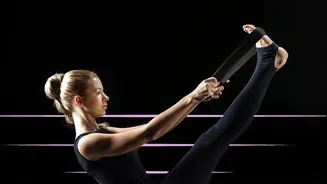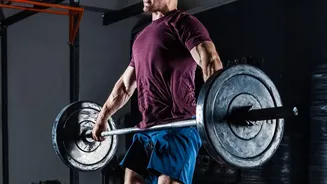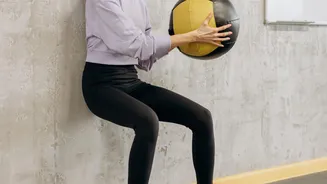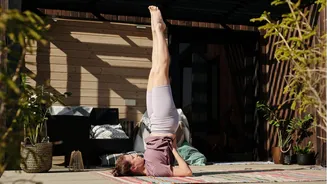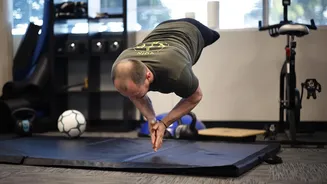





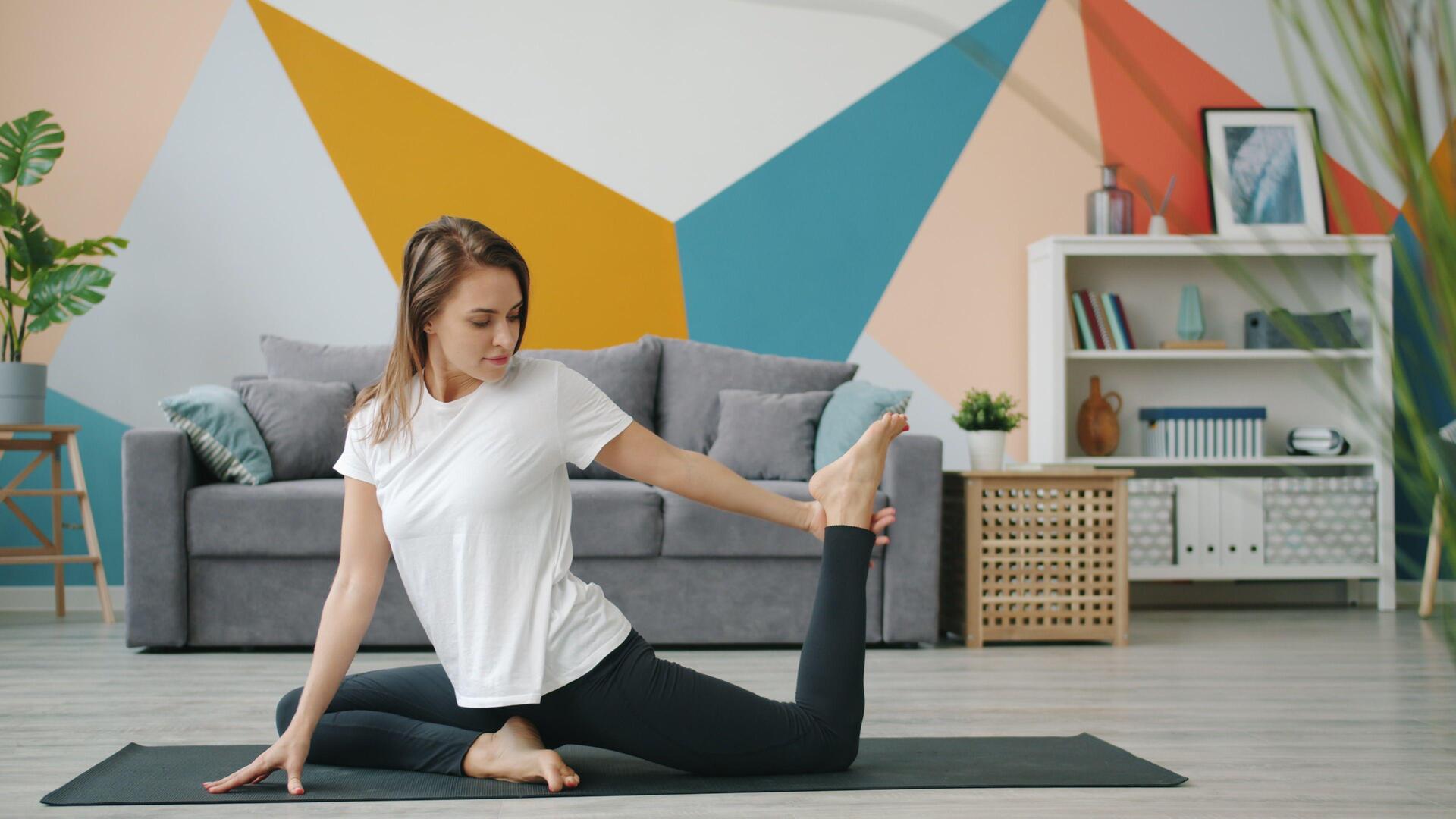
When you hear 'core,' you probably picture chiselled abs. But true core stability is about much more than appearance. It's the unsung hero supporting nearly every move you make, from getting out of bed to carrying groceries.
Beyond the Six-Pack: What is the Core?
Forget the idea that your core
is just the 'six-pack' muscle, also known as the rectus abdominis. In reality, your core is a complex, three-dimensional group of muscles that acts as your body's central support system. It includes the muscles of your abdomen, lower back, hips, and pelvis. Think of it as a muscular corset that wraps around your trunk, encompassing everything from your diaphragm (your primary breathing muscle) down to your pelvic floor. This system includes deep muscles like the transverse abdominis, which acts like a natural weight belt, and the multifidus muscles that run along your spine, providing stability. Together, these muscles work to stabilize your spine and pelvis, creating a solid base for all movement.
Stability vs. Strength: An Important Distinction
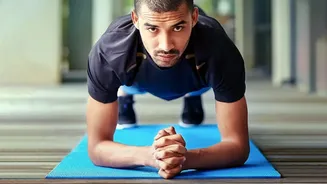
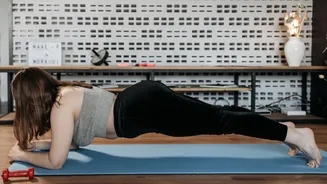
The terms 'core stability' and 'core strength' are often used interchangeably, but they describe two different jobs. Core strength is the ability of your muscles to produce movement—think of doing a sit-up, where your spine actively flexes. Core stability, on the other hand, is the ability to resist unwanted movement and maintain a stable position. Imagine someone trying to push you off balance; your core stability muscles fire to keep you upright. A plank is a classic stability exercise because the goal is to keep your spine still and prevent it from sagging while your muscles work. Both strength and stability are important, but stability is the foundation. Without it, trying to generate strength can be inefficient and even lead to injury.
Your Body’s Unsung Hero in Daily Life
You rely on core stability far more than you realize. It's the quiet force that makes everyday tasks feel easy and controlled. When you bend down to tie your shoes or pick something up, your core stabilizes your spine to prevent strain. Carrying a heavy bag of groceries on one side challenges your core to prevent you from leaning over. Even simple actions like getting out of a chair, climbing stairs, or reaching for something on a high shelf depend on your core to transfer force efficiently between your upper and lower body. A stable core provides the foundation that allows your arms and legs to move with power and control, reducing wear and tear on your joints.
Signs Your Core Might Be Weak
A weak core often makes its presence known in subtle ways. Persistent lower back pain is a common sign, as the back muscles are forced to overcompensate when the core isn't providing adequate support. Poor posture, like slouching at your desk, is another indicator; weak core muscles struggle to hold your spine upright for extended periods. You might also notice you have poor balance or feel unsteady on your feet. If you fatigue quickly during physical tasks or find that everyday movements like lifting or bending feel strenuous, it could point to a lack of core stability.
Building a Foundation of Stability
Improving core stability doesn't require intense, complicated workouts. It’s about teaching the muscles to fire correctly to provide support. Simple exercises are highly effective. The plank and its variations are excellent for training the core to resist gravity. The 'bird-dog' exercise, where you kneel on all fours and extend an opposite arm and leg, challenges your stability by forcing you to prevent your torso from rotating. Another great exercise is the 'dead bug,' where you lie on your back and slowly lower opposite limbs while keeping your lower back on the floor. Even focusing on sitting and standing with proper posture helps to engage and strengthen these crucial stabilizing muscles throughout the day.