






Introducing the SOLVE Vehicle
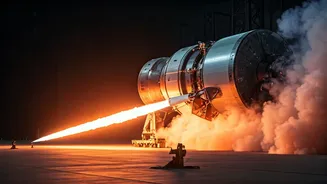
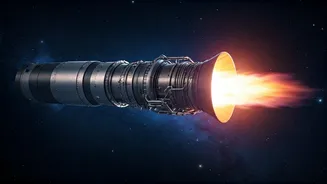
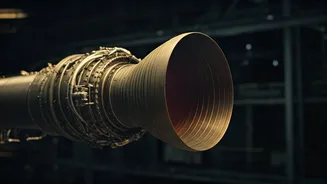
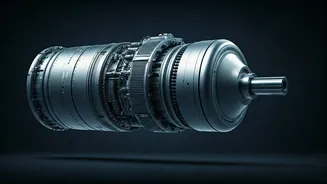
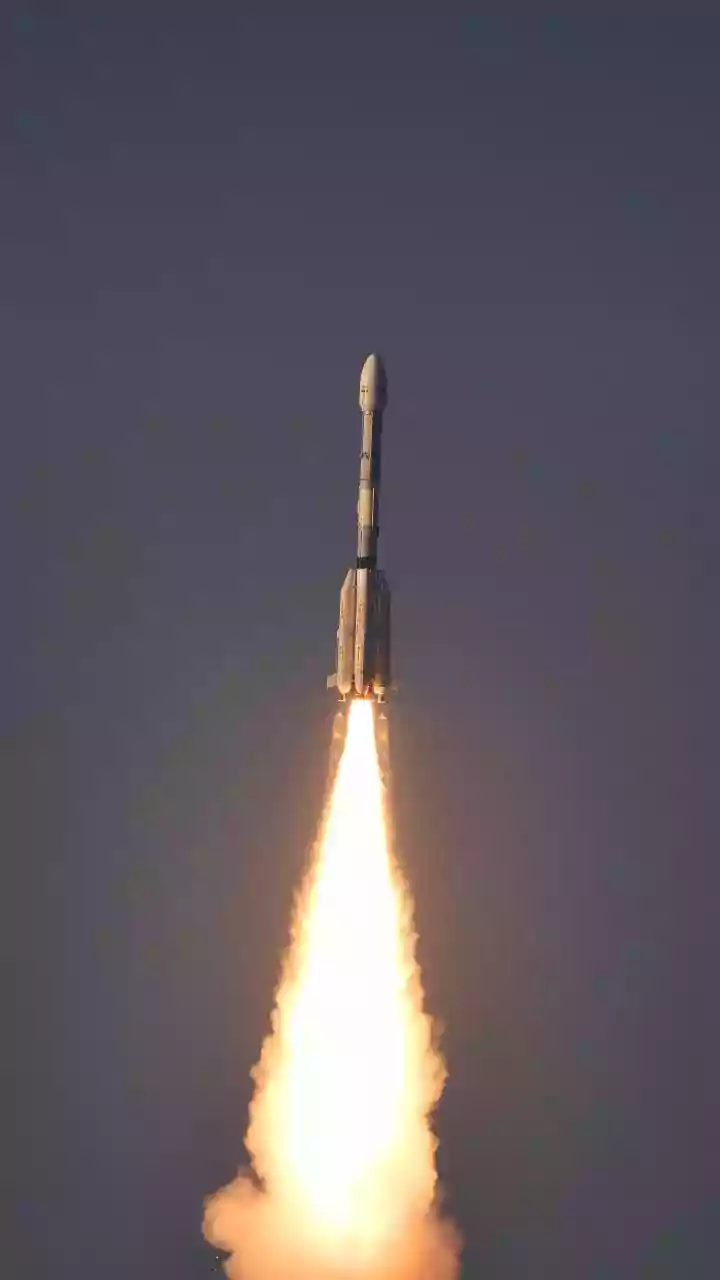
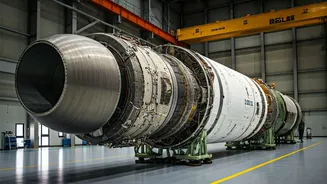
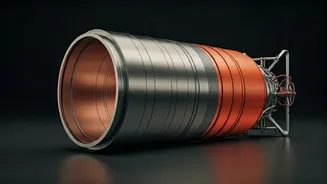
The recent success wasn't for an engine that will fly to orbit, but for one with a very specific and crucial job on Earth. The test was for the solid motor that will power a new rocket called SOLVE, which stands for Sub-Orbital Launch Vehicle for Experiments.
ISRO has developed this dedicated vehicle not for the final space journey, but for a series of critical tests that are essential before any astronaut boards the Gaganyaan capsule. Think of it as a specialized tool built to perfect one of the most important phases of the mission: a safe return and landing.
A Proven Engine for a New Role
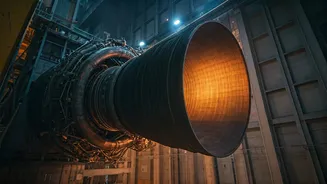
The heart of the SOLVE vehicle is its newly tested solid motor. In a classic example of smart engineering, ISRO didn't start from scratch. The motor is a modified version of the highly reliable strap-on boosters used in its workhorse rocket, the Polar Satellite Launch Vehicle (PSLV). However, it has been significantly adapted for its new purpose. Engineers have incorporated a slower-burning propellant and a new steering system. These changes allow the SOLVE rocket to perform a very specific flight profile—one that is perfect for its role as a high-altitude testbed.
The Real Mission: Perfecting the Landing
The ultimate purpose of the SOLVE vehicle is to test the Gaganyaan crew module's parachute system. During these test flights, the SOLVE rocket will carry the crew capsule to an altitude of about 10 to 17 kilometres and then release it. From there, the capsule will begin its descent, and a complex sequence of ten different parachutes must deploy perfectly to slow the module down for a gentle splashdown in the sea. This system is non-negotiable for astronaut safety. A fiery ascent is only half the journey; ensuring a soft landing is just as vital.
Why A Dedicated Test Rocket Matters
One might wonder why ISRO doesn't just use the main Gaganyaan rocket for these tests. The answer lies in efficiency, cost, and repeatability. The final human-rated rocket is a massive, complex, and expensive piece of machinery. Using it for repeated parachute tests would be impractical. The SOLVE vehicle provides a much more flexible and cost-effective platform to conduct these tests over and over again under a wide variety of conditions. This rigorous testing is the only way to build the confidence needed to declare the landing system safe for human flight. It allows engineers to gather data and refine the system without the enormous overhead of a full-scale launch.
One Piece of a Larger Puzzle
This SOLVE motor test is a significant milestone, but it's important to see it as one piece in the vast and complex puzzle of human spaceflight. It should not be confused with the Crew Escape System, which has its own powerful motors designed to pull the capsule away from the rocket in a launch emergency. The SOLVE platform is focused squarely on the final landing phase. The success of this ground test, which took place at the Satish Dhawan Space Centre in Sriharikota, clears the path for the actual flight tests of the parachute system. It's a clear signal that ISRO's methodical, step-by-step approach to the Gaganyaan programme is yielding concrete results, moving from ground simulations to real-world flight trials.