





The 2030 Vision for Clean Air
The Delhi government has approved a new EV policy, effective from July 1, 2026, to March 31, 2030, backed by a budget of approximately ₹15,000 crore. The primary goal is to significantly reduce vehicular emissions, a major contributor to the city's infamous
air pollution. The policy aims for a complete transition toward zero-emission transport by 2030. It focuses on electrifying the vehicles that contribute most to pollution: two-wheelers, three-wheelers, and commercial goods carriers. By setting clear targets and timelines, the administration is sending a strong signal that the future of Delhi's roads is electric.
Carrots and Sticks: Incentives and Mandates
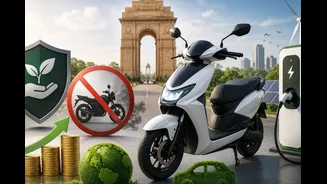
To drive adoption, the policy uses a combination of financial rewards and firm deadlines. Generous purchase incentives are available, especially for early adopters. In the first year, buyers of electric two-wheelers can receive a ₹30,000 subsidy, while e-rickshaw buyers can get ₹50,000. There are also significant scrappage incentives for replacing old polluting vehicles with new EVs, including up to ₹1 lakh for a new electric car. Alongside these incentives are strict mandates. From January 1, 2027, only electric three-wheelers will be allowed new registrations. A bigger shift follows on April 1, 2028, after which no new petrol or CNG-powered two-wheelers can be registered in the city. Interestingly, the policy exclusively supports pure EVs, with no subsidies for hybrid vehicles.
Powering the Fleet: The Charging Infrastructure Challenge
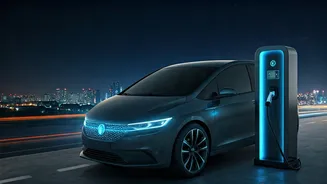
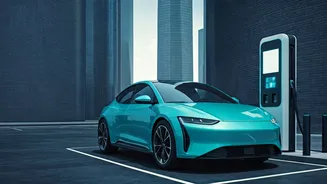
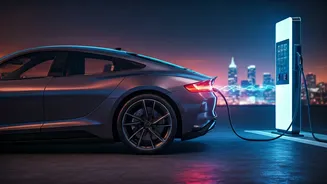
A key criticism of past EV pushes has been the lack of adequate charging infrastructure. This new policy directly addresses this with a plan to install over 30,000 new public charging points across the city within the next four years. An outlay of ₹8,000 crore has been allocated specifically for building out this infrastructure and offering tax concessions. The government has stated that a robust charging network is fundamental to the policy's success and has already identified land for development. This focus is designed to alleviate 'range anxiety'—a major concern for potential EV buyers worried about where to charge their vehicles.
Targeting the Biggest Polluters
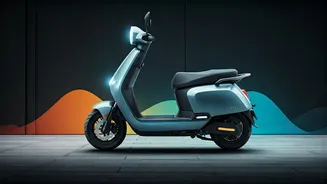
The policy strategically targets the vehicle segments responsible for the lion's share of emissions. According to the Transport Commissioner, commercial goods carriers account for 33% of pollution, while two and three-wheelers contribute a massive 46%. Given that two-wheelers make up roughly two-thirds of all vehicles on Delhi's roads, the mandate to make all new registrations electric by 2028 is hugely significant. The policy also provides incentives of up to ₹1 lakh for N1 category commercial electric trucks and mandates that school bus operators must convert at least 10% of their fleet to electric within two years.
The Road Ahead: Hurdles and Hopes
While the policy is one of the most ambitious in the country, its success is not guaranteed. A key challenge will be executing the rapid expansion of charging infrastructure and ensuring the power grid can handle the increased demand. The high upfront cost of EVs, even with subsidies, remains a barrier for many, especially informal drivers and small commercial vehicle owners. Furthermore, there are logistical challenges related to the battery supply chain and the safe disposal or recycling of used batteries. However, the plan has been largely welcomed by automakers, who see it as providing long-term clarity and a strong foundation for investment in the EV ecosystem.