


The Foundation: Soaking the Moong Dal
The journey to a perfect chilla begins hours before you heat the pan. The key is using split and husked yellow moong dal (dhuli moong dal). This variety creates a smoother, milder chilla compared to the whole green gram. Start by rinsing one cup of the dal thoroughly
under running water until the water is no longer cloudy. Then, soak the dal in two to three cups of water for at least three to four hours, or even overnight. This soaking process is crucial; it softens the lentils, making them easier to grind into a smooth paste and also easier to digest. If you're short on time, a one-hour soak in warm water can also work in a pinch. Once soaked, the dal will have noticeably swelled in size. Drain all the water completely before moving to the next step.
Crafting a Silky Smooth Batter
The consistency of the batter is where many home cooks falter. A perfect chilla batter is neither too thick nor too thin; it should have a smooth, pourable consistency, similar to pancake batter but not watery. Transfer the drained, soaked dal to a blender. Add aromatics like a small piece of ginger and one or two green chilies for that authentic street-style flavour. Pour in about a quarter cup of water to start, then blend until you have a completely smooth, lump-free paste. You may need to add a few more tablespoons of water gradually to reach the right consistency. If the batter is too thick, the chilla will be difficult to spread and may cook unevenly. If it's too thin, it will be hard to handle and won't get crispy.
The 'Without Overloading' Golden Rule
Here is the secret that separates street vendors from the rest: they don't overload the batter itself. Many recipes suggest mixing finely chopped onions, tomatoes, and coriander directly into the batter. While this is an option, for a truly authentic, crispy street-style chilla, it's better to keep the batter simple. Overloading the batter with too many vegetables releases moisture during cooking, which can make the chilla soggy and prone to breaking. Instead, focus on perfecting a simple, seasoned batter first. The time for vegetables and other fillings comes later, directly on the pan. This approach ensures your chilla forms a solid, crispy base.
Simple Seasoning for Maximum Flavour
With the batter ready, it's time for seasoning. True street-style chillas let the earthy flavour of the moong dal shine, so less is more. Add salt to taste, a quarter teaspoon of turmeric powder for a beautiful golden colour, and perhaps a pinch of asafoetida (hing), which aids digestion. Some recipes also call for roasted cumin powder or ajwain (carom seeds) for extra flavour. Mix these spices into the batter thoroughly. You can let the batter rest for about 15-20 minutes, which allows the flavours to meld together. Keep in mind that the batter may thicken slightly as it sits, so you might need to stir in a tablespoon of water just before cooking to restore the perfect consistency.
Cooking to Crispy Perfection
Proper heat management is critical. Heat a non-stick tawa or a well-seasoned cast-iron pan over medium heat. The pan should be hot, but not smoking. You can test it by sprinkling a few drops of water; if they sizzle and evaporate immediately, you're ready. Lightly grease the pan with oil. Pour a ladleful of batter onto the center and, using the back of the ladle, quickly spread it outwards in a circular motion to form a thin pancake. Drizzle a little oil around the edges. Cook for a couple of minutes until the bottom is golden brown and the edges start to lift from the pan.
The Final Street-Style Touch
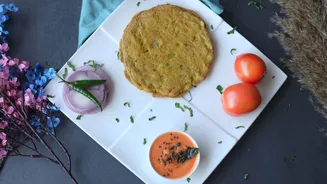
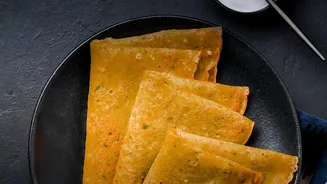
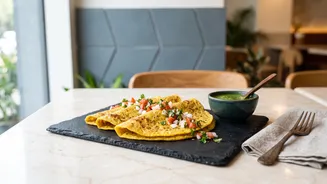
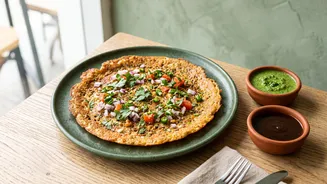
Once you've spread your batter on the pan, this is the moment to add your toppings. Sprinkle finely chopped onions, tomatoes, green chilies, and fresh coriander leaves over the top of the cooking chilla. For a more filling version, add some crumbled paneer. Gently press the toppings into the batter with a spatula. After the underside is golden and crisp, flip the chilla carefully and cook for another minute on the other side. The vegetables will cook directly on the crepe, keeping the chilla itself from becoming soggy. Fold it in half and serve immediately, piping hot from the pan. This method ensures a crispy base with fresh, vibrant toppings, just like you'd find on the streets.