






The Stars of the Show
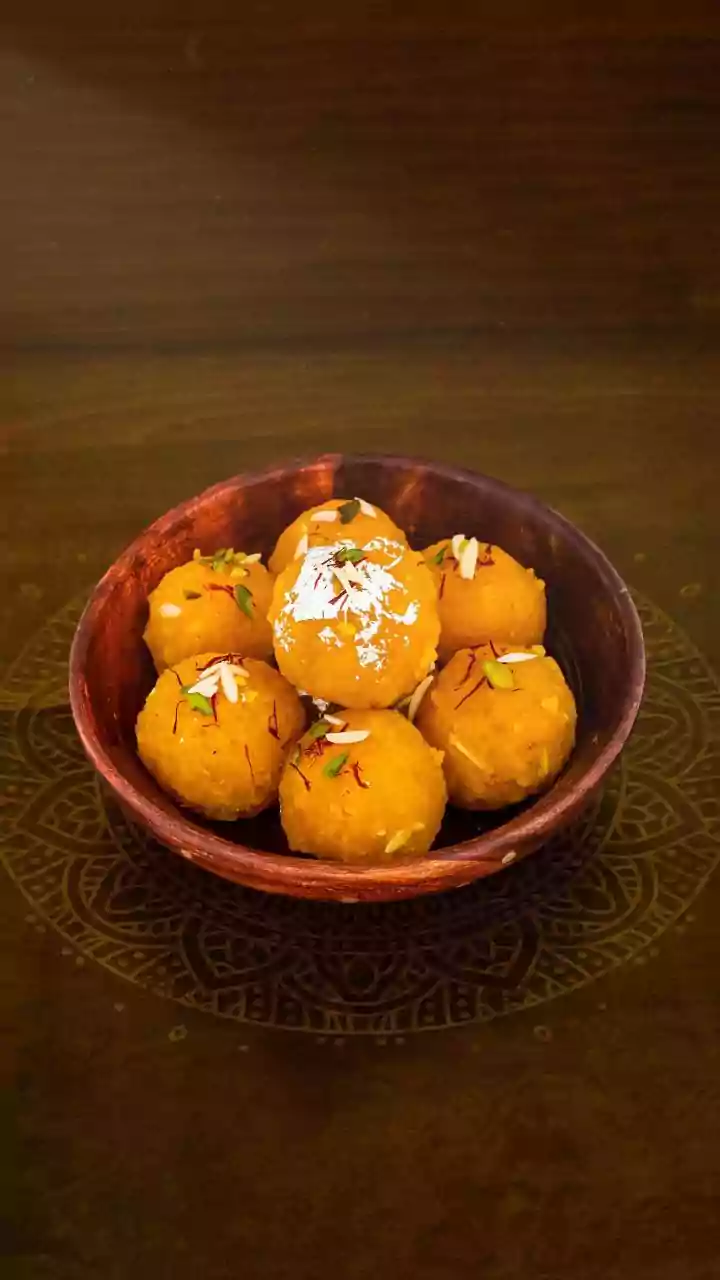
The three dishes that made the celestial cut were all beloved Indian sweets: Gajar Ka Halwa (carrot halwa), Moong Dal Halwa, and Aamras (mango pulp). These foods were specially prepared for Indian astronaut Shubhanshu Shukla, who was part of the four-person
international crew on the Ax-4 mission to the International Space Station (ISS) in June 2025. While an initial, more extensive menu including comfort foods like khichdi and pulao was prepared, only these three desserts completed the rigorous certification process in time for the launch. The selection highlights a preference for items that offer high caloric value, comfort, and a taste of home for astronauts during long-duration missions. Shukla's crewmates reportedly enjoyed the dishes immensely.
A Gruelling Culinary Gauntlet
Getting food approved for space is far more complex than just packing a meal. The process, governed by stringent standards often aligned with NASA's requirements, is designed to ensure astronaut safety and health in the unique environment of microgravity. Foods must be thermo-stabilized or irradiated to be free of microbes and have a long shelf life without refrigeration. They must be lightweight, low in volume, and produce minimal crumbs, as floating particles can damage sensitive equipment or be inhaled by the crew. Additionally, the meals must be nutritionally balanced, easy to digest, and not overly spicy or oily, as microgravity can affect an astronaut's digestive system. The packaging itself is a feat of engineering, designed to be non-flammable, leak-proof, and easy to use when food needs to be rehydrated or heated.
The Tight Schedule Constraint
The phrase "tight schedule" in the headline refers to the primary reason more Indian dishes didn't make it to the ISS on this mission. According to astronaut Shubhanshu Shukla, the DFRL had a broader ambition to qualify a larger menu that could also be used for India's own upcoming Gaganyaan human spaceflight mission. However, each dish requires extensive testing to meet all safety, stability, and packaging criteria. With the Axiom-4 launch date fixed, there was simply not enough time to complete the multiple rounds of qualification tests for the other prepared items like khichdi and vegetable pulao. The successful qualification of the three halwas and aamras under this pressure is a significant technical achievement for the DFRL.
A Legacy of Feeding India's Heroes
Mysuru-based DFRL, a laboratory under the Defence Research and Development Organisation (DRDO), has a long and storied history of providing specialized food for India's armed forces. Its expertise is in developing ready-to-eat meals that can withstand harsh conditions, from high altitudes to desert terrains. This wasn't the lab's first foray into space cuisine. DFRL also supplied the food for Rakesh Sharma, the first Indian in space, during his 1984 mission. His menu included dishes like suji halwa, pulav, and aloo chole. The work for Axiom-4 and the ongoing development for Gaganyaan represent a continuation of this legacy, blending tradition with cutting-edge food science to support India's national ambitions in space.