



What Exactly is a Vada?
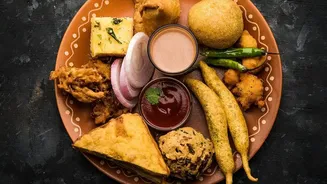
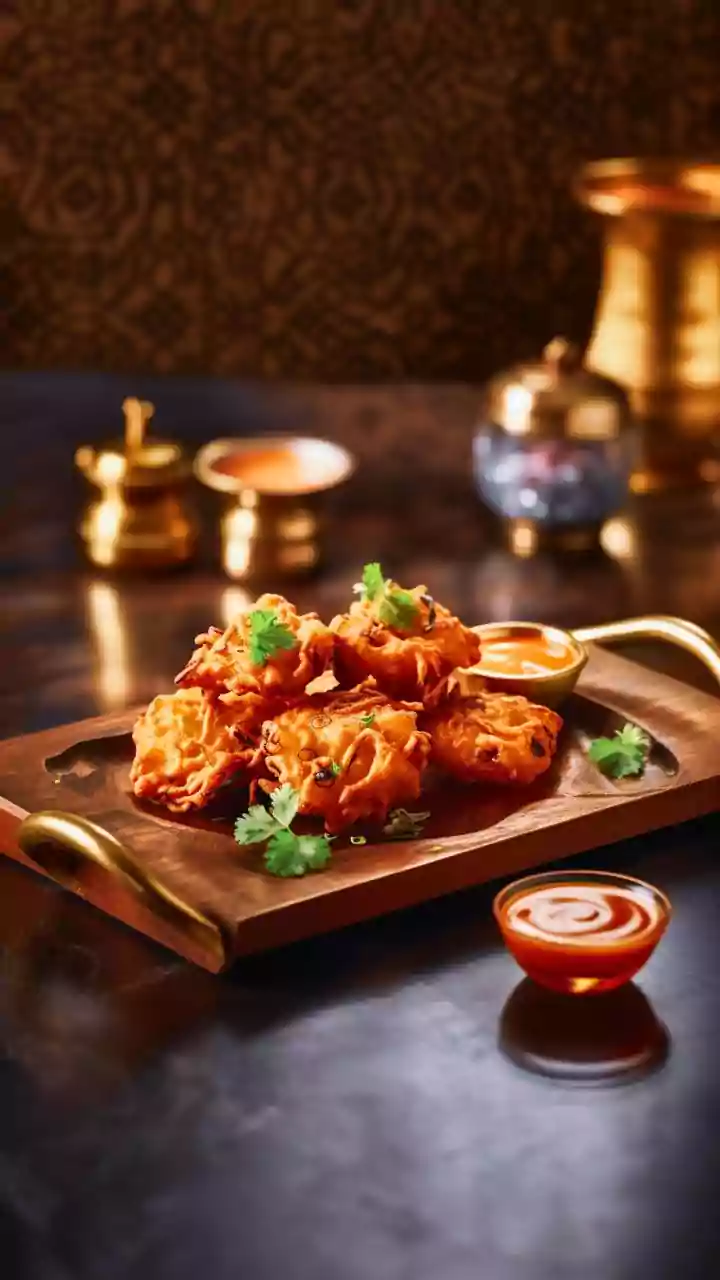
Vada is a broad category for a variety of savoury fried snacks from India, best described as fritters, dumplings, or savoury doughnuts. The foundation of most vadas is a paste made from lentils or pulses, which are soaked, ground, and mixed with spices
before being deep-fried. Its history is ancient, with mentions of a similar food called 'vataka' dating back as far as 500 BC. These lentil-based snacks are a cornerstone of Indian cuisine, found everywhere from bustling street stalls and railway station platforms to home kitchens and restaurant menus.
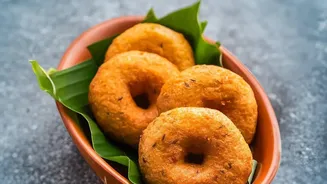
The Iconic Breakfast Doughnut: Medu Vada
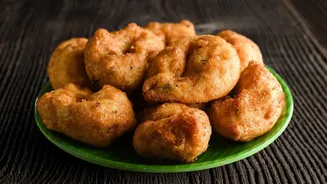
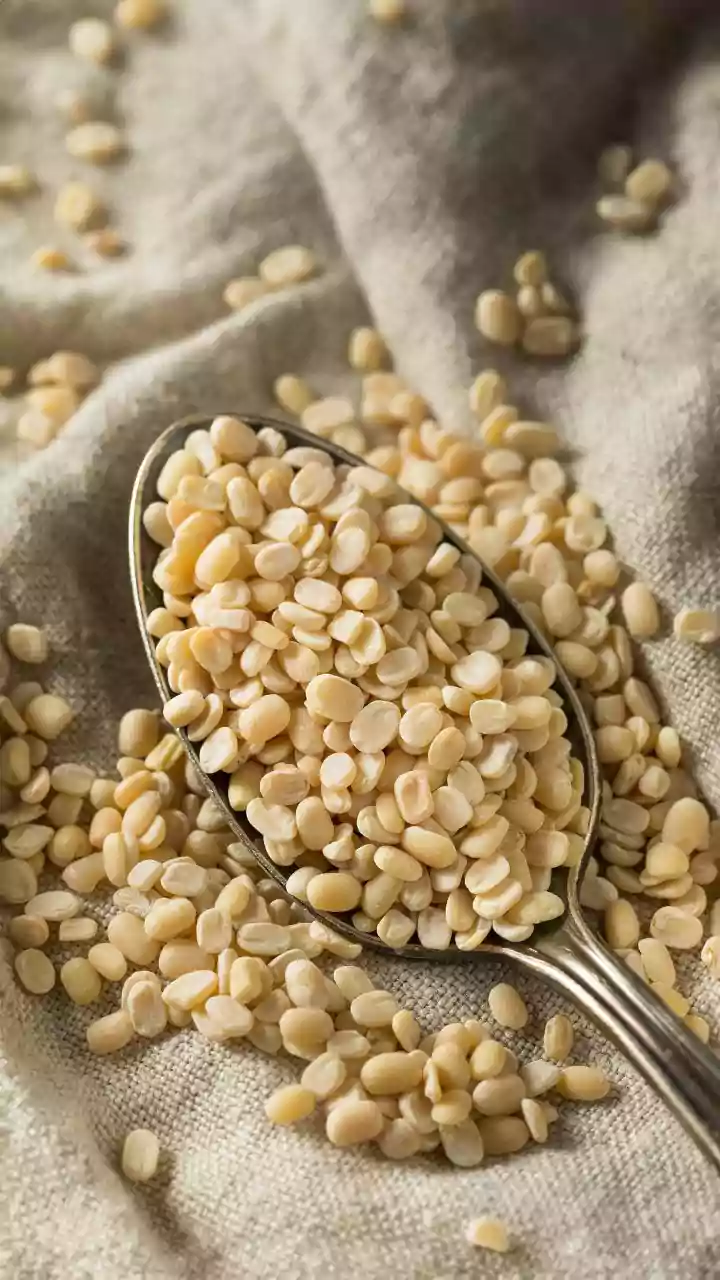
When people think of a vada for breakfast, they are most often picturing the Medu Vada. Originating in South India, this is the famous doughnut-shaped fritter with a wonderfully crispy exterior that gives way to a soft, fluffy interior. The name itself gives a clue to its texture; 'Medu' means 'soft' in the Kannada language. It is made from a batter of urad dal (split black gram), often seasoned with ginger, green chillies, curry leaves, and black pepper. Served fresh and hot, it is the quintessential South Indian breakfast, typically paired with a bowl of steaming sambar (a lentil-based vegetable stew) and fresh coconut chutney for dipping.
A World of Delicious Variations
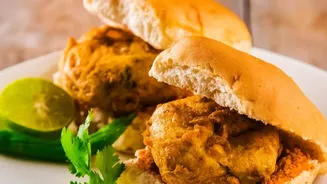
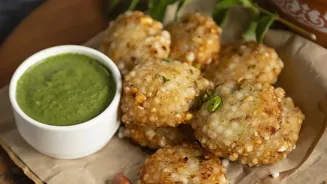
While Medu Vada reigns supreme at breakfast, the vada family is vast and diverse. Masala Vada, also known as Parippu Vada in Kerala, is a completely different experience. Made from chana dal (split chickpeas), this version is coarser, spicier, and flatter, offering a satisfyingly crunchy texture throughout. Then there's the Batata Vada from Maharashtra, which forgoes lentils for a filling of spiced mashed potato coated in a chickpea flour batter; this is the star component of the famous Mumbai street food, Vada Pav. Other regional favourites include Sabudana Vada made from tapioca pearls, spinach-filled Keerai Vada, and even sweet versions like Vella Vadai made with jaggery.
From Street Food Staple to Celebration Fare
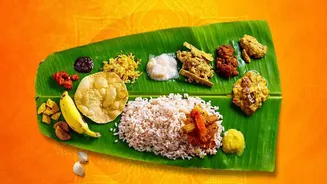
The vada's role in Indian culture is remarkably versatile. It is the quick, affordable, and satisfying breakfast for people on the go, easily picked up from a street vendor on the way to work. It's also a beloved evening 'tiffin' or snack, perfect with a cup of hot tea, especially during monsoon season. But the vada also holds a special place in celebrations and religious ceremonies. Certain types of vadas are prepared as 'prasadam' (offerings in temples) and are an essential part of festival feasts and joyous occasions, a tradition that has been passed down for generations. This simple lentil fritter is deeply woven into the fabric of daily life and special events alike, representing comfort, community, and tradition.