






The Core: Your Body's True Powerhouse
Before comparing how these two disciplines work, it’s important to understand what the “core” actually is. It’s not just the six-pack muscles (the rectus abdominis) you see on the surface. The core is a complex group of muscles that wraps around your
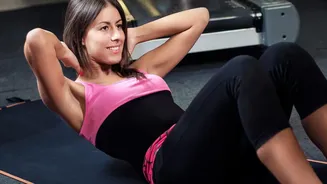
entire midsection, including deep abdominal muscles like the transverse abdominis, muscles in your lower back, the pelvic floor, and even your diaphragm and hip flexors. Think of it as a natural corset that stabilizes your spine and pelvis, providing a sturdy base from which your limbs can move powerfully and efficiently. A strong core is essential for good posture, balance, and preventing injuries in almost any physical activity.
Running’s Core Challenge: A Reactive Stabilizer
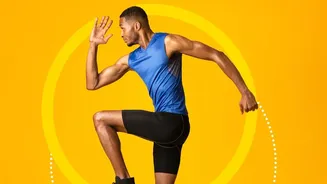
When you run, your core is constantly working, but it’s doing so in a reactive, stabilizing capacity. As your arms and legs swing forward and back, your core muscles fire to prevent your torso from twisting excessively. They act as a stiff anchor point, allowing for efficient energy transfer from your upper to your lower body. Every time your foot strikes the ground, your core absorbs impact and helps maintain an upright posture, especially as fatigue sets in. However, the core is working in response to the high-impact, repetitive motion of running. It’s not the primary mover; it’s the essential support system that keeps the entire operation from falling apart. The engagement is dynamic and crucial for performance, but it’s an indirect consequence of the activity itself.
Pilates’ Core Method: Intentional and Foundational
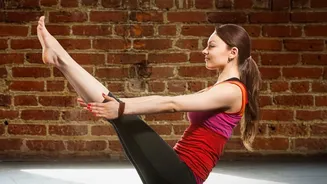
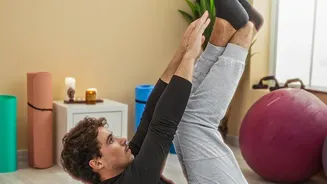
Pilates takes the opposite approach. In Pilates, core engagement isn't a byproduct of the exercise; it is the exercise. The methodology is built around the principle of originating all movement from a strong, stable center, often referred to as the “powerhouse”. Pilates exercises use slow, controlled movements that intentionally target the deep, stabilizing muscles of the core, such as the transverse abdominis and pelvic floor. Instructors often cue you to “pull your navel to your spine,” ensuring that these deep muscles are engaged before and during every exercise. This develops profound body awareness and control, teaching the muscles to fire with precision. It’s a low-impact workout that strengthens the core from the inside out.
The Key Difference: Stability vs. Deliberate Strength
Herein lies the fundamental difference: running trains the core for reactive stability, while Pilates trains it for deliberate, foundational strength. Running challenges your core to resist motion and absorb shock under high-impact, dynamic conditions. It’s about endurance and automatic stabilization. Pilates, on the other hand, builds the mind-body connection required to consciously activate and control those deep core muscles in a low-impact setting. It focuses on alignment, precision, and building strength through a full range of motion. One is about the core holding strong while the rest of the body is in motion; the other is about initiating motion from the core itself.
Better Together: A Complementary Approach
So, which is better? The answer is neither. In fact, they are a perfect pairing. The foundational strength, body awareness, and muscle balance developed through Pilates can make you a more efficient and injury-resistant runner. By strengthening the deep stabilizing muscles that running often neglects, Pilates helps improve posture and running form, reducing the risk of common overuse injuries related to the back, hips, and knees. Many runners find that adding Pilates to their routine helps them maintain better form during long runs, improves their breathing, and allows them to generate more power from their hips and glutes. Conversely, runners who practice Pilates can bring a new level of cardiovascular endurance to their practice. The combination creates a well-rounded athlete who has both the endurance from running and the deep, integrated strength and control from Pilates.