






The Slow Magic of Fermentation
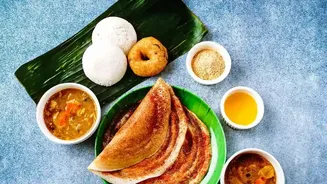
The practice of overnight preparation is deeply rooted in culinary traditions across India, most notably in the south. It is less a chore and more a revered ritual. The quintessential example is the batter for idli and dosa, staples of South Indian cuisine.
This process involves soaking rice and lentils, grinding them into a paste, and allowing it to ferment naturally for 8-12 hours. This patient waiting period is where the magic happens. Microorganisms, naturally present on the grains, get to work, breaking down carbohydrates. This not only leavens the batter, making idlis fluffy and dosas crisp, but it also transforms the nutritional profile. Fermentation enhances the bioavailability of nutrients like B vitamins, makes the food easier to digest, and introduces probiotics beneficial for gut health. This ancient practice isn't just about flavour; it's a time-tested method of enhancing nutrition and digestibility, reflecting a profound understanding of food science long before it was formally studied.
The Convenience Revolution
On the other side of the spectrum is the instant mix, a symbol of modern, fast-paced life. The Indian market for convenience foods, including ready-to-mix products, has witnessed explosive growth, driven by urbanization, rising disposable incomes, and the increasing number of working women. Valued at billions of dollars, this market caters to the pressing need for time-saving meal solutions. These mixes—for everything from dhokla and upma to dosa and biryani—offer a shortcut, eliminating the need for planning, soaking, grinding, and fermenting. For many in bustling urban centres, particularly in North and West India, where fermented batters are not a daily breakfast tradition, these packets are a gateway to enjoying diverse regional dishes without the associated labour. The appeal is simple: authentic flavour with significantly less effort. This has made instant mixes a staple in kitchens where time is the most precious commodity.
A Culinary Map of India
The preference for one method over the other often draws a line on India's culinary map. South India remains the stronghold of traditional fermentation. The warm, humid climate is ideal for the natural fermentation of rice and lentil batters, making it a reliable and integral part of daily cooking. Here, making batter from scratch is a deeply ingrained cultural practice. In contrast, North India's culinary landscape is dominated by flatbreads like roti and paratha, which don't require fermentation. As a result, when North Indian households crave a dosa or idli, they are more likely to reach for an instant mix as a convenient way to prepare a non-staple dish. This regional divide is also influenced by lifestyle; the rapid pace of life in metropolitan cities like Delhi, Mumbai, and Bengaluru has fueled demand for quick-commerce and instant food options across the board, bridging some of these regional habits.
Beyond Taste and Time
The choice between overnight prep and an instant mix is often loaded with cultural meaning. For some, the traditional method is non-negotiable, a tangible link to heritage and a hallmark of authentic home cooking. The process itself is seen as an act of care. On the other hand, the stigma once associated with convenience foods is rapidly fading. As brands improve quality and focus on authentic regional flavours, instant mixes are increasingly seen as a smart solution for busy households, not a compromise on taste. The modern Indian kitchen is no longer a battleground between tradition and modernity. Instead, it's a space of coexistence, where a home cook might meticulously ferment dosa batter for a weekend feast but happily use an instant mix for a quick weeknight meal. Both approaches serve a purpose, reflecting the dynamic, adaptable nature of Indian food culture today.