




The Constant 'Gardening' of the Moon
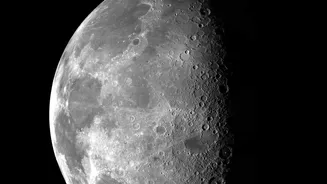
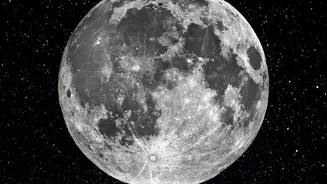
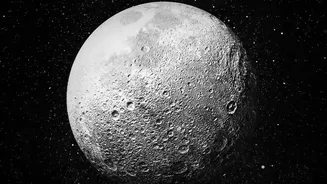
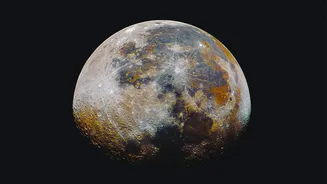
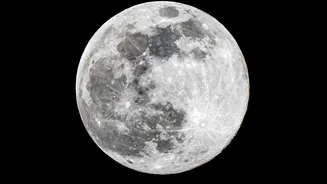
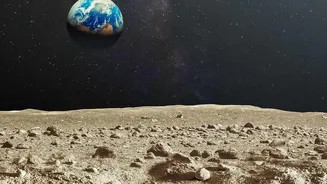
When you look at the Moon, you see a surface covered in a dusty, rocky layer called regolith. For decades, scientists have known this topsoil is constantly being churned by a process nicknamed 'impact gardening'. This isn't gardening with water and seeds,
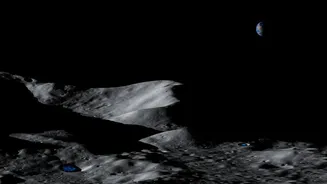
but with a relentless shower of tiny meteoroids that strike the surface, mixing and overturning the upper layers of lunar dirt. This process was long thought to be a slow, steady tilling, dominated by countless microscopic impacts over millions of years. This constant mixing is a key reason why the Moon's surface, which lacks the protective atmosphere and weather of Earth, is a unique record of solar system history.
A 'Once-in-a-Century' Discovery
However, a recent NASA study has revealed a much more dramatic and violent form of lunar gardening. By analyzing years of high-resolution images from the Lunar Reconnaissance Orbiter (LRO), scientists discovered a massive new crater, larger than the Roman Colosseum. The crater, named McGetchin, was formed between April and May 2024 by an object the size of a multi-story building. Such a large-scale impact is estimated to be a rare event, happening perhaps only once every century or so, making this a 'once-in-a-lifetime observation' according to researchers. The discovery was made when an image specialist noticed a massive new bright spot while conducting a routine data check.
How a Single Impact Reshapes the Surface
The McGetchin impact did more than just carve a hole 222 meters across and 43 meters deep. It fundamentally disturbed the surrounding landscape for over 100 kilometers. Data from the LRO's thermal instrument, Diviner, revealed a 7-kilometer-wide 'cold spot' around the new crater. This cooling indicates that the impact 'fluffed up' the topsoil, making it less dense and therefore less able to retain heat overnight. One scientist likened the process to churning sediments and bringing material that is usually deep below to the surface. This single, rare event effectively 'gardened' a huge area of the Moon far more significantly than millions of smaller impacts might have.
Implications for Future Lunar Missions
This new understanding of lunar gardening has profound implications. For one, it suggests the Moon's surface is more dynamic and changes faster than previously believed. This could affect how we date surface features and even means that the historic footprints left by Apollo astronauts might eventually be erased by this ongoing process. More critically, as NASA and other international space agencies plan for a sustained human presence on the Moon through programs like Artemis, understanding the stability of the regolith is essential. This soil is not just dirt; it's a potential construction material and a source of resources like water ice. Knowing how and how often it's violently overturned is crucial for designing safe and durable habitats, protecting equipment, and planning scientific exploration on our cosmic neighbor.