




The Real Cost of a Meal
On the surface, home cooking is the undisputed champion of cost savings. A home-cooked vegetarian thali, for instance, costs around ₹31, while its non-vegetarian counterpart is about ₹60, according to recent CRISIL data. In sharp contrast, ordering a similar
meal from a restaurant via a delivery app can easily cost anywhere from ₹250 to ₹400. But the comparison isn't that simple. Ordering in involves a cascade of charges beyond the menu price. Consumers face delivery fees, platform charges, packaging costs, and GST, which can significantly inflate the final bill. A recent report highlighted that frequent ordering can add an annual burden of at least ₹12,000 to an average metro household's budget. Menu prices on apps are often higher than at the restaurant itself to offset the commission (20-30%) that eateries pay to aggregators. Home cooking has its own 'hidden' costs: the initial investment in spices and pantry staples, cooking gas, and crucially, the value of your time spent on planning, shopping, cooking, and cleaning.
The Nutrition and Health Divide
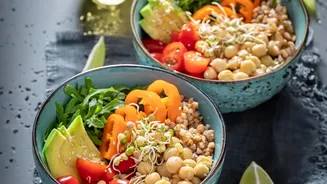
When you cook at home, you are in complete control. You decide the amount and quality of oil, salt, sugar, and spices, making it easier to manage dietary goals. Studies consistently show that restaurant and takeout meals tend to be higher in sodium, saturated fats, and overall calories. Portion sizes are also typically larger when eating out, which can lead to overconsumption. However, this doesn't mean all restaurant food is unhealthy. Many establishments now offer healthier, balanced options. The key difference is control and transparency. With pre-prepared meals, it is difficult to know exactly what ingredients were used or how much oil and salt were added. Research indicates that people who cook more frequently tend to have healthier overall diets and consume more fruits and vegetables. Making meals at home allows you to tailor them to your specific health needs, an advantage that restaurant or delivery food can rarely match perfectly.
Convenience, Time, and Effort
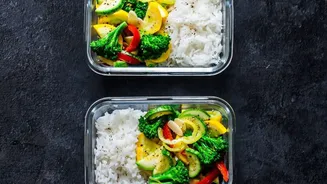
Here, restaurant and delivery orders seem to have a clear edge. The ability to have a meal ready in under an hour with just a few taps is a powerful draw, especially after a long day. It eliminates the entire process of meal planning, grocery shopping, cooking, and the dreaded cleanup. However, the time equation for home cooking is not always as daunting as it seems. While a single elaborate meal can be time-consuming, strategies like meal prepping—cooking larger batches of food twice a week—can save significant time during busy weekdays. Using modern kitchen gadgets like pressure cookers and air fryers can also dramatically cut down cooking time. Furthermore, the 'convenience' of ordering out comes with its own time sinks, such as 'decision fatigue' from scrolling through endless menus and the time spent waiting for the delivery to arrive.
Beyond the Plate: Variety and Well-being
Dining out offers an experience that extends beyond the food itself. It's a social activity, a chance to explore new cuisines, and an opportunity to enjoy a different atmosphere without any of the work. Delivery brings culinary variety to your doorstep, but lacks the social component. Home cooking, on the other hand, can offer profound psychological benefits. For many, the act of cooking is a form of therapy—a mindful, creative process that can reduce stress and anxiety. The repetitive motions of chopping and stirring can be meditative, and the sense of accomplishment from creating a meal can be a significant mood booster. This became especially evident during the pandemic, when many turned to cooking as a grounding activity that provided a sense of control and comfort.