


Planning a wedding that’s both stylish and sustainable? The vintage garden party theme beautifully marries timeless aesthetics with eco-conscious values, proving you don't have to sacrifice elegance to be green. Here’s how to do it.
Embrace Secondhand and Upcycled Decor
The soul of a vintage
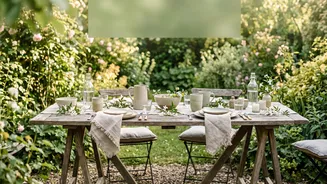
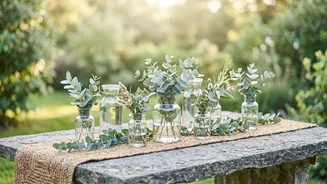
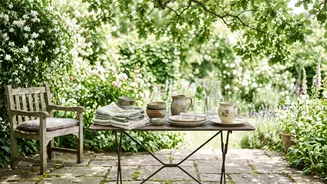
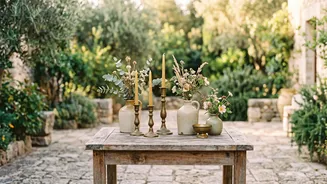
theme is in its history, which pairs perfectly with the eco-friendly principle of 'reuse'. Instead of buying new, explore flea markets, antique shops, and even your own family's storage for hidden gems. Think mismatched china, old glass bottles for vases, and vintage suitcases for a card box or seating chart display. Not only does this reduce waste, but it also infuses your celebration with authentic character and stories. You can give old jam jars and tins a new life with a coat of paint in your wedding colours, or use antique frames to display signage and menus. This approach is not just sustainable; it’s a creative way to ensure your decor is one-of-a-kind.
Choose Sustainable, Seasonal Florals
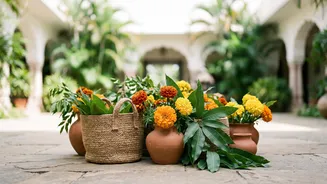
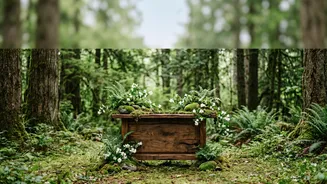
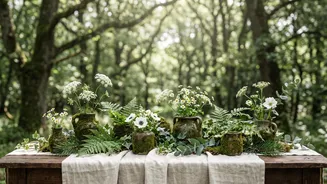
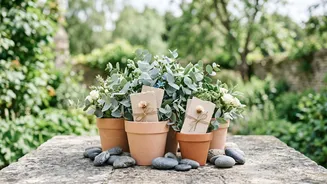
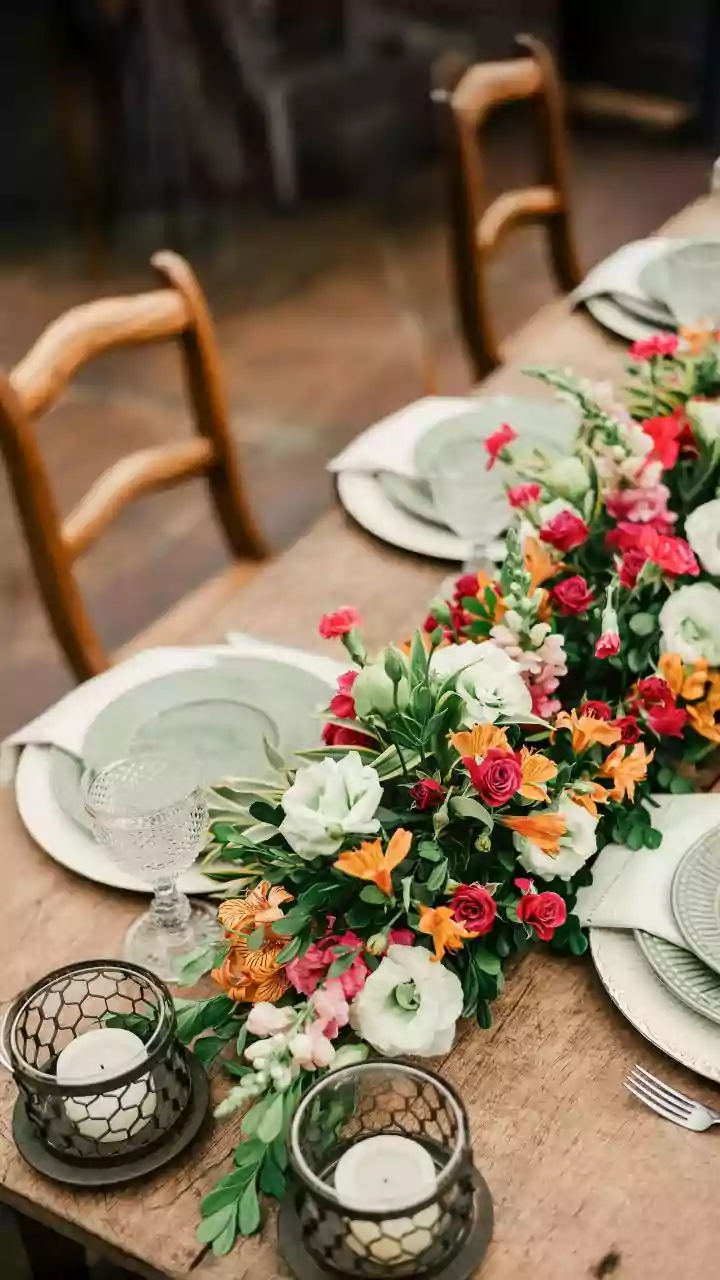
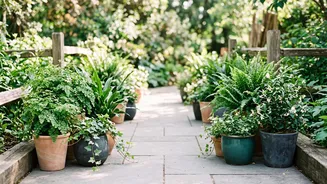
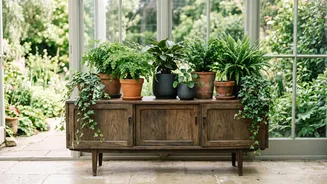
A garden party isn't complete without flowers, but their environmental footprint can be significant. Opt for locally grown, seasonal blooms to reduce carbon emissions from transportation and support local farmers. These flowers are often fresher, more vibrant, and last longer than imported alternatives. Ask your florist about creating arrangements without floral foam, which is a single-use plastic that is harmful to the environment. Instead, consider potted plants, herbs, or lush greenery that can be replanted or given to guests. Choosing flowers that are naturally in season not only looks more authentic but is often more affordable.
Opt for Eco-Chic Attire
The 'something old' tradition is your best friend when it comes to sustainable wedding fashion. A vintage theme opens the door to wearing a pre-loved wedding dress, whether it's a family heirloom or a find from a speciality boutique. This avoids the environmental cost of producing a new garment. Grooms can also participate by renting a high-quality suit or wearing a vintage one. For the wedding party, consider mismatched dresses in a coordinated colour palette, which allows them to choose a style they love and are likely to wear again, preventing it from becoming a single-use outfit.
Plan a Farm-to-Table Menu
Let your menu reflect the garden theme by embracing farm_to_table catering. Working with a caterer who sources ingredients from local farms reduces the carbon footprint associated with food transportation and supports the local economy. A seasonal menu ensures the freshest, most flavourful ingredients. For a garden party, think fresh salads, grilled seasonal vegetables, and light, elegant dishes. To further minimize waste, consider a plated dinner over a buffet to control portion sizes and discuss composting options with your caterer for any food scraps. You can also serve locally made artisanal products like jams or cheeses.
Send Mindful Invitations
Set a sustainable tone from the very beginning with your wedding invitations. Digital invitations are the most eco friendly option, eliminating paper waste entirely. If you prefer a physical keepsake, choose stationery printed on recycled or FSC certified paper, which comes from responsibly managed forests. Some companies even offer 'plantable' seed paper invitations that guests can grow into wildflowers. Using vegetable based inks also reduces the environmental impact compared to traditional petroleum based inks. This thoughtful first step lets your guests know that your celebration is a mindful one.
Give Thoughtful, Zero Waste Favours
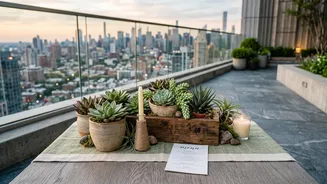
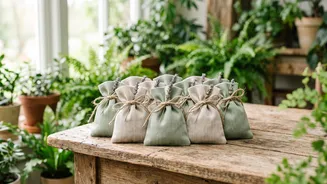
Traditional wedding favours often become clutter or waste. For a vintage garden party, choose gifts that are practical, consumable, or give back. Small packets of seeds, local honey, or homemade jam in reusable jars are charming and useful. Another beautiful idea is to make a donation to an environmental charity in your guests' names. For a DIY touch, consider small potted succulents, zero waste shampoo bars, or eco friendly lip balms in reusable tins. These favours align perfectly with both the garden theme and your commitment to sustainability.