






A New World of Flavour
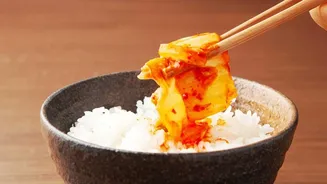
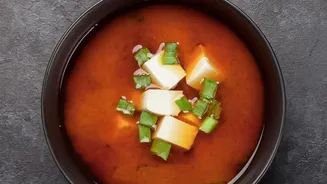
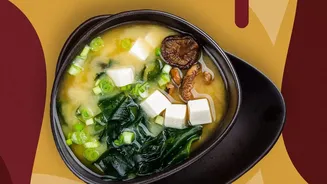
For those unfamiliar, miso is a fermented soybean paste from Japan, and kimchi is a traditional Korean side dish of fermented vegetables, most commonly napa cabbage and Korean radish. What do they have in common? A deep, savoury, and complex flavour profile
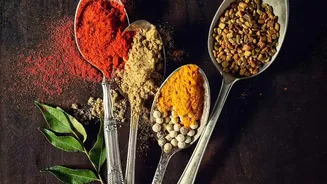
often described as 'umami'. This so-called fifth taste, which translates to a 'pleasant savoury taste', is what makes broths rich and dishes deeply satisfying. While the term is Japanese, the taste itself is not new to Indian cuisine. The slow caramelisation of onions (bhunao), the use of fermented batters for idli and dosa, and the aged complexity of a good pickle are all ways Indian cooking has traditionally delivered umami. Now, home cooks are discovering that miso and kimchi offer a convenient and powerful shortcut to that same depth, adding a new dimension to familiar meals.
The Fermentation Fascination
This culinary shift is happening alongside a broader wellness trend. There's a growing fascination with fermented foods, not just in India but globally. Driven by an increased awareness of gut health and the benefits of probiotics, people are looking to their diets as a form of preventative medicine. India, with its rich history of fermented staples like curd, kanji, and dhokla, is perfectly poised for this revival. The embrace of miso and kimchi feels less like an import and more like an extension of this existing culinary wisdom. Urban supermarkets are stocking more fermented options than ever, from kombucha to ready-made batters, and these East Asian powerhouses fit right in, offering both health benefits and exciting new tastes.
Creativity in the Kitchen
So, how exactly are these ingredients being used? The creativity is boundless. Home cooks and food bloggers are experimenting with everything from miso-infused baingan bharta and khichdi to kimchi-stuffed parathas. One popular creation is kimchi fried rice, which adds a tangy, spicy crunch that elevates the simple dish. Others are stirring miso paste into dal, using it as a base for curries with coconut milk, or even blending it into chutneys to serve with dosa. Chef Sanjyot Keer notes that the sweet, savoury, and spicy notes of many Korean dishes align well with the Indian palate. Meanwhile, some chefs have created dishes like kimchi bhajis with a miso-coriander chutney, proving the fusion can be both playful and sophisticated. The common thread is that these ingredients are not overpowering Indian flavours but complementing them. Kimchi can act like a squeeze of lemon or a spoonful of achaar, adding a final touch of brightness and acidity.
A Confident, Global Palate
The adoption of miso and kimchi is more than just a passing trend fueled by the Hallyu (Korean Wave) or a general interest in Japanese cuisine. It reflects a deeper evolution in the Indian culinary landscape. A generation of home cooks, exposed to global cultures through the internet, travel, and cooking shows, is more experimental than ever. They are not just replicating foreign recipes; they are deconstructing them and integrating the elements they love into their own food traditions. This movement signifies a confident and curious palate, one that is open to new ideas without abandoning its roots. It shows that the modern Indian kitchen is a global space, where traditional techniques and new ingredients can coexist and create something entirely new and delicious.