

What is This New LNG Train?
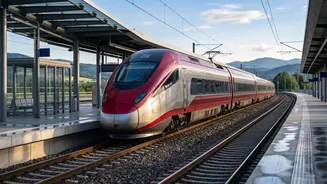
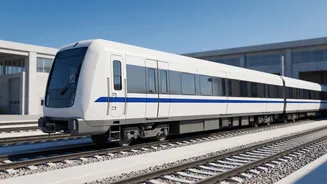
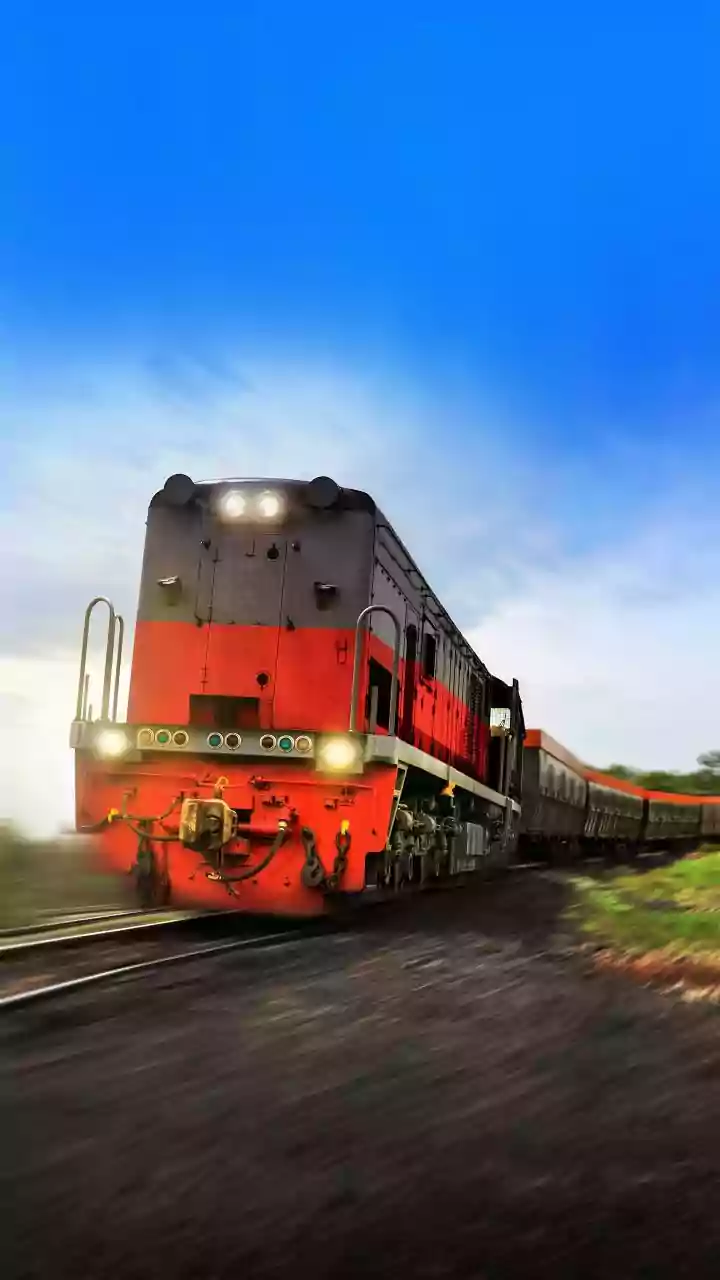
On September 27, 2026, the first LNG-powered train was flagged off from Sabarmati, Gujarat, for an inaugural run to Mahesana Junction. This is not a train that runs purely on gas. Instead, it employs a dual-fuel system. Indian Railways has retrofitted
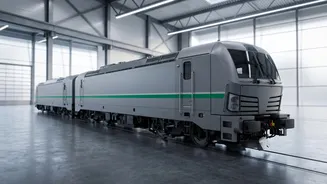
two 1,400 HP Driving Power Cars (DPCs) to run on a blend of LNG and conventional diesel. This technology allows LNG to substitute for approximately 40% of the diesel that would normally be consumed, without compromising the engine's power or operational capabilities. Before its official launch, the system underwent extensive field trials covering over 2,000 kilometres to ensure its performance and reliability under real-world conditions.
The Dual-Fuel Advantage: Flexibility and Lower Risk
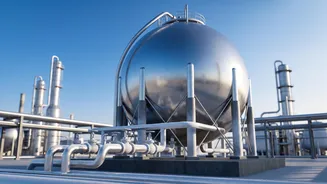
The choice of a dual-fuel system is strategic. It allows Indian Railways to test the waters of alternative fuels without committing to a massive, and potentially disruptive, overhaul of its infrastructure. The key advantage is flexibility; the engine can run on both LNG and diesel, switching between them based on fuel availability. This ensures that the train can continue operations even if LNG refuelling is not immediately accessible. This approach enables the use of existing diesel assets, retrofitting them with new technology from partners like INOX India, which supplied the cryogenic LNG storage systems. It represents a practical bridge between the current diesel-dependent network and a future that may include a variety of cleaner energy sources.
Why LNG? The Push for Greener, Cheaper Fuel
The primary motivation behind this trial is twofold: reducing both environmental impact and operational costs. Compared to diesel, LNG is a cleaner-burning fossil fuel. Its use is expected to significantly lower emissions of harmful pollutants like carbon dioxide (CO2), nitrogen oxides (NOx), and particulate matter. This contributes to better air quality, especially in and around railway lines. Economically, the move is also promising. Based on trial data, Indian Railways estimates that using the LNG-diesel system could save around ₹23.9 lakh annually for a single eight-coach train. With the national transporter aiming to reduce its reliance on expensive diesel, LNG presents a potentially cost-effective alternative.
A Trial Run, Not a Revolution (Yet)
While the launch marks a milestone, officials are clear that this is a pilot project. The goal is to gather crucial data on the long-term performance, reliability, and economic viability of LNG-powered traction. This trial will help determine the real-world savings and emission reductions over an extended period. It's a critical information-gathering phase before any decisions about a wider network rollout are made. This cautious approach contrasts with fully-fledged fuel shifts, acknowledging that challenges remain. For LNG to become a mainstream fuel, a new ecosystem for cryogenic storage and refuelling would need to be built across the vast rail network, which is a significant logistical and financial undertaking.
Part of a Bigger Picture: The Net Zero Goal
This LNG trial does not exist in a vacuum. It is a key component of Indian Railways' ambitious plan to become a 'Net Zero Carbon Emitter' by 2030. The national transporter is exploring multiple avenues to achieve this target, including rapid electrification of its broad-gauge network, investing in solar and wind power, and even developing a hydrogen-powered train, which was launched in July 2026. While the hydrogen train uses fuel cells to produce electricity with water as the only byproduct, the LNG train modifies existing internal combustion engines. These different technology trials—electrification, hydrogen, and LNG—represent a multi-pronged strategy to find the most effective and sustainable energy mix for one of the world's largest railway networks.