






Why a Flexible Menu Is a Smarter Menu
Recent months have shown just how volatile vegetable prices can be, with factors like erratic rainfall and rising transport costs causing sharp, sudden spikes. A survey found that rising prices for staples like onions, tomatoes, and potatoes are straining
household budgets across India, forcing many families to cut back on consumption. Rather than sticking to a fixed plan, a flexible approach allows you to adapt to the market's reality. By choosing what is abundant and affordable, you not only save a significant amount of money but also get produce at its peak freshness and nutritional value. This strategy also helps in reducing food waste, as you are buying what is best right now, not what a week-old plan dictated.
Shop Like a Chef: Look First, Plan Later
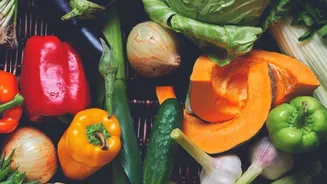
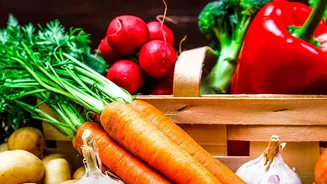
Instead of heading to the market with a non-negotiable list, reverse your process. Go with an open mind and see what looks best and is priced reasonably. Are the beans fresh and cheap? Is there an abundance of spinach? Let those ingredients be the star of your meals for the next few days. This “market-first” approach encourages creativity and ensures you are always cooking with the best-tasting ingredients. It builds a connection with the local food system and supports farmers. A quick chat with your local vegetable vendor can also provide valuable insights into what is currently in season and what offers the best value for money. They often know which items have just arrived and which are nearing the end of their peak.
Master the Art of Smart Substitution
Indian cooking is remarkably versatile, and many dishes have room for substitution. If tomatoes, which form the base of many curries, are prohibitively expensive, consider alternatives. A base of sautéed onions with a bit of beaten curd or tamarind paste can provide a similar tangy profile for certain dishes like Papad ki Sabzi. If a recipe calls for expensive cauliflower, try using bottle gourd (lauki) or even potatoes, which absorb flavours beautifully. For leafy greens, feel free to swap pricey kale or specific types of saag for more affordable options like spinach (palak) or amaranth leaves (chaulai). The key is to understand the primary role of the vegetable in the dish—is it for bulk, flavour, or texture?—and choose a substitute that can perform a similar function.
Your Pantry Is Your Best Friend
A well-stocked pantry is the foundation of a flexible kitchen. When you have a good supply of staples like various dals, chickpeas, rajma, rice, and whole wheat flour, you are less dependent on having a specific set of fresh vegetables for every single meal. These ingredients are budget-friendly, have a long shelf life, and can be used to create countless delicious and wholesome meals. There are many traditional Indian curries that rely on pantry staples and use very few, if any, fresh vegetables. Having a robust collection of spices, along with ginger and garlic, allows you to transform simple ingredients into flavourful dishes, ensuring that even on a lean vegetable week, your meals are never boring.
Buy Smart and Store Smarter
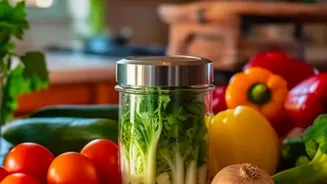
When you do find a good deal on produce, it pays to know how to store it properly to extend its life. Leafy greens, for instance, should be washed, dried thoroughly, and stored in the refrigerator wrapped in a cloth or paper towel to prevent them from wilting. Root vegetables like potatoes and onions should be kept in a cool, dark, and dry place away from each other. Tomatoes are best left on the counter until they are fully ripe, after which they can be refrigerated to slow down the ripening process. Proper storage prevents spoilage, saves you from having to make frequent trips to the market, and allows you to buy in slightly larger quantities when prices are low, ultimately saving you money.