




Meet the Electric Heir
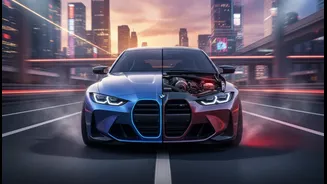
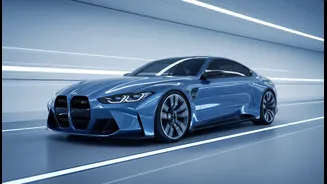
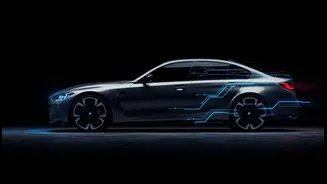
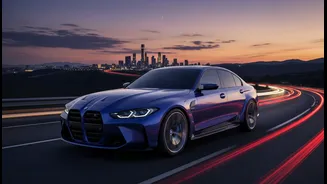
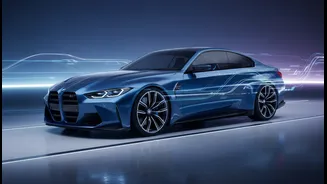
The car at the center of this strategic shift is the all-electric performance sedan based on BMW's next-generation 'Neue Klasse' architecture, slated to arrive around 2027. While BMW also plans to release a successor to the combustion-engine M3, this new
electric model is being engineered to be its equal in spirit and performance, if not its outright replacement in the long term. The vehicle, previewed by the M Concept Neue Klasse, will be a technological powerhouse, featuring a quad-motor setup with an electric motor dedicated to each wheel. This architecture allows for an unprecedented level of torque vectoring and dynamic control, promising to deliver the agile, rear-biased handling that has defined the M3 for decades.
No 'i' in Team M
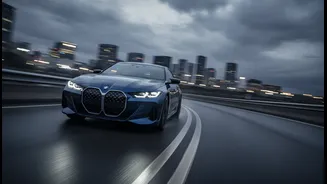
Perhaps the most significant decision is the name. BMW M's CEO, Frank van Meel, has confirmed the car will simply be known as the M3, without any 'i' prefix or other electric designator. This marks a major pivot from BMW's initial EV strategy. The 'i' sub-brand, which launched with the innovative i3 and i8, was created to be a separate, forward-thinking laboratory for electrification. Models like the i4 and iX continued this, but they were positioned as electric counterparts to the main lineup. By dropping the sub-brand for its most important performance model, BMW is signaling that electrification is no longer a niche experiment. It is now the core of the M division's future.
The Heart of the Matter
To ensure this electric M3 drives like a true BMW, engineers have developed a new central control unit dubbed the 'Heart of Joy'. This single, integrated 'super-brain' manages all aspects of driving dynamics—the powertrain, braking, steering, and suspension—in one place. This unified system processes information up to ten times faster than the previous approach of using multiple separate control units, reducing latency to less than a millisecond. The goal is to create a seamless, intuitive connection between driver and machine, preserving the 'Sheer Driving Pleasure' that defines the brand, even without an engine roaring under the bonnet. This focus on holistic control, rather than just raw power, is central to BMW’s philosophy for the electric era.
Performance, Not Just Power Figures
While rumors suggest the quad-motor setup could produce horsepower figures approaching four digits, BMW M executives have been quick to manage expectations. They argue that the market is already filled with EVs boasting massive, headline-grabbing power numbers that are often not sustainable on a racetrack. The focus for the electric M3 is on repeatable, consistent performance without overheating—a car that can be driven hard, lap after lap. Frank van Meel has noted that generating huge power from electric motors is the easy part; the real engineering challenge lies in control, cooling, and delivering a car that inspires driver confidence under pressure. The power is a byproduct of the performance-focused quad-motor system, not the primary goal itself.
A Declaration for the Future
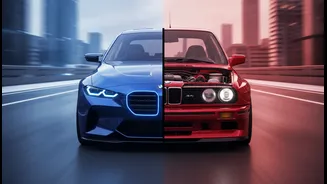
By branding its next-generation EV as an M3, BMW is making a calculated bet on the power of heritage. Instead of asking loyal customers to embrace a new identity, it is telling them that the identity they already love is evolving. This move integrates the electric future directly into the company's most celebrated lineage, aiming to convince even the most ardent purists that the soul of BMW M will persist in a battery-powered world. It's a strategy that contrasts with some rivals and suggests a new level of confidence: EVs are no longer the alternative, they are the main event, worthy of carrying the most legendary names in the company's history.