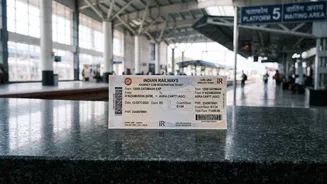






Indian Railways now offers its low-cost travel insurance to passengers buying tickets at counters, a facility once limited to online bookings. While convenient, this safety net has specific rules you need to know before you opt-in.
Understanding the Railway Insurance Scheme
For a nominal premium
of just 45 paise per passenger, you can get significant financial cover for your train journey. This optional insurance was previously available only for e-tickets booked via the IRCTC website or app but has now been extended to tickets bought at physical reservation counters. However, passengers who choose the insurance at a counter must pay the ticket fare and the premium using digital payment methods; cash payments are not accepted for this facility. The scheme is designed to provide financial support in case of death or disability due to a train accident or other 'untoward incidents' as defined by the Railways Act. These incidents include events like derailments, collisions, or even an accidental fall from a train.
Who is Eligible for Coverage?
The primary rule is that this insurance is available only to Indian citizens. Foreign nationals are not eligible to opt for this scheme. The insurance is optional, but if you choose it for a ticket booked under a single PNR, it becomes compulsory for all passengers listed on that PNR. The policy covers all passengers with confirmed or RAC tickets. An important point to note concerns children: those under the age of five are not covered by this insurance policy. However, children between 5 and 11 years old are eligible for coverage.
What the Policy Covers
The coverage provided for the small premium is substantial. In the unfortunate event of death or permanent total disability resulting from a covered incident, the policy provides a compensation of ₹10 lakh. For permanent partial disability, the coverage is up to ₹7.5 lakh. Additionally, the policy includes up to ₹2 lakh for hospitalization expenses related to injuries sustained during the incident. There is also a provision of ₹10,000 for the transportation of mortal remains. The coverage period starts from the actual departure of the train and lasts until its arrival at the destination, including the process of boarding and deboarding.
Key Exclusions: What Is Not Covered
Understanding the exclusions is just as important as knowing the benefits. The policy will not cover incidents arising from intentional self_injury, suicide attempts, or accidents that happen while under the influence of intoxicating liquor or drugs. Injuries sustained while engaging in adventure sports or while committing a breach of law with criminal intent are also excluded. The policy does not cover claims arising from natural death or medical issues like heart attacks or strokes unless they are a direct consequence of a train accident. Furthermore, if a passenger has a ticket but does not board the train, any claim will be invalid.
How to File a Claim
If an incident occurs, the claim must be filed directly with the designated insurance company, not with IRCTC or Indian Railways. The policy details, including the insurer's name, are sent via SMS and email after booking. The insured passenger or their nominee must notify the nearest office of the insurance company within four months of the incident. You will need to submit a completed claim form, a report from railway authorities confirming the accident, medical records, and identity proofs. For death claims, the payout is made to the nominee. If no nominee was designated during booking, the legal heir must produce a succession certificate to receive the compensation.