






An Ambitious Expansion Plan
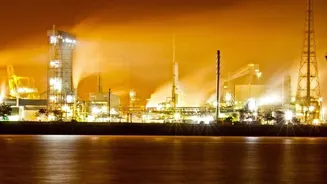
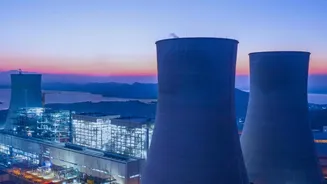
India is embarking on a significant expansion of its coal-fired power infrastructure. According to government plans, the country intends to add approximately 97,000 megawatts (MW) of new coal and lignite-based thermal capacity by 2035. This would increase
its total thermal capacity to around 307,000 MW. The move is driven by a strategy to ensure energy security and meet a projected surge in electricity demand, which is expected to grow by 6-7% annually. This expansion isn't just about power plants; it also involves a massive increase in coal mining, with plans to raise production to over 1.15 billion tonnes in the coming fiscal year to reduce reliance on imports.
The Engine of a Growing Economy
From the government's perspective, this expansion is a non-negotiable necessity. India is the world's most populous country and its energy demand is forecast to be the largest source of growth globally. With a rapidly expanding economy, increasing urbanisation, and the need to provide reliable power to millions, coal is seen as the most dependable and abundant fuel source. It currently accounts for about 75% of India's electricity generation. Officials argue that coal provides the essential baseload power needed for grid stability, which is crucial as the country contends with more frequent and intense heatwaves that drive record electricity consumption.
The Global Climate Backlash
This reliance on coal is drawing significant international scrutiny. Climate scientists and environmental groups warn that expanding coal capacity runs counter to global efforts to limit warming under the Paris Agreement. Coal is the most carbon-intensive fossil fuel, and its combustion is a primary driver of both climate change and severe air pollution. Critics, such as the NGO Global Energy Monitor, point out that India's push for new coal mines is at odds with a global trend that has seen demand for the fuel plateau or decline elsewhere. The expansion raises concerns that it could lock in high emissions for decades, making it harder for both India and the world to meet long-term climate targets.
A Parallel Push for Renewables
The story of India's energy transition is a paradox because the coal expansion is happening alongside a massive push into renewable energy. India has the world's fourth-largest installed renewable energy capacity and has set an ambitious target to reach 500 GW of non-fossil fuel capacity by 2030. The country has seen record additions in solar capacity, which expanded by 75.5 GW between 2025 and mid-2026, compared to just 3.8 GW of new coal capacity in the same period. However, while renewable capacity is growing, coal's role in actual power generation remains dominant due to its reliability and round-the-clock availability, a feature that intermittent solar and wind power cannot yet match without large-scale battery storage.
A Difficult Balancing Act
India's energy policy is a complex balancing act between its developmental aspirations and its climate commitments. The government frames the coal expansion as a transitional strategy to ensure energy security while it scales up its renewable infrastructure. Officials maintain that even with the new plants, coal's overall share in the energy mix is expected to fall over the next few decades. However, the scale of the planned expansion means that even a smaller percentage will represent a large absolute volume of emissions. This dual-track approach—aggressively pursuing both coal and renewables—highlights the profound dilemma facing developing nations: how to lift millions out of poverty and power a modern economy without jeopardizing the global climate.