






What Is Starlink Applying For?
Starlink has resubmitted its application to the Indian National Space Promotion and Authorisation Centre (IN-SPACe), the country's space regulator, for its second-generation (Gen 2) satellite constellation. This isn't just a re-try; it's a significant
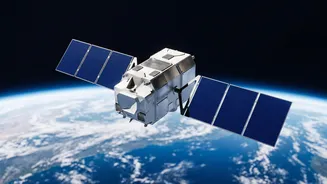
upgrade to its original proposal. The new application covers nearly 30,000 low-Earth orbit (LEO) satellites and, crucially, includes plans for direct-to-device (D2D) services. This technology would allow standard mobile phones to connect directly to satellites, a game-changer for areas beyond the reach of traditional cell towers. Elon Musk has highlighted that this service could be pivotal for connecting the “least served” communities in India, especially in rural areas.
Why This Gen 2 Approval Matters
The Gen 2 network represents a massive leap over the first generation. IN-SPACe had previously approved Starlink's Gen 1 constellation, consisting of around 4,408 satellites for conventional broadband, back in July 2025. However, its initial Gen 2 application was rejected because some technical features and proposed spectrum bands did not align with Indian regulations at the time. Securing approval for the much larger and more capable Gen 2 fleet is essential for Starlink’s long-term strategy. It would provide significantly more network capacity and broader coverage, enabling new services like D2D connectivity. This is timed strategically, as India is currently in the process of formulating the very rules that will govern these advanced satellite services.
Navigating India's Regulatory Maze
Gaining authorisation from IN-SPACe is a critical first step, but it is far from the final hurdle. To commercially launch its services, Starlink must navigate a complex regulatory landscape involving multiple government bodies. Key among these is securing a Global Mobile Personal Communication by Satellite (GMPCS) license from the Department of Telecommunications (DoT), which it was granted in June 2025 after a previous, more contentious attempt. However, the most significant pending requirements are the allocation of spectrum and obtaining final security clearances from ministries like Home Affairs. These unresolved issues are the primary reason why no major LEO satellite operator, including Starlink, has launched full commercial services in India yet.
A Sky Crowded With Competition
Starlink is not entering an empty arena. The Indian satellite communications market is heating up, with formidable players vying for a piece of the pie. Bharti-backed Eutelsat OneWeb and Reliance Jio's joint venture with SES have also secured their GMPCS licenses and IN-SPACe approvals. Jio is even exploring the development of its own sovereign LEO satellite constellation to complement its vast terrestrial network. Amazon's Project Kuiper is another deep-pocketed global competitor awaiting its turn for regulatory clearance. Starlink’s proposed Gen 2 constellation of nearly 30,000 satellites would, however, give it a significant scale advantage over competitors like Jio’s proposed 1,600-satellite network and OneWeb’s existing fleet of around 650 satellites.
The Promise for Digital India
The ultimate promise of this satellite race is transformative for India's digital divide. Despite massive growth in internet usage, a significant portion of the rural population remains underserved due to challenging terrain and the high cost of deploying terrestrial infrastructure. Satellite internet bypasses these physical barriers, offering a viable path to high-speed connectivity for remote villages, mountainous regions, and maritime zones. Starlink’s proposed direct-to-device capability is particularly compelling, as it lowers the barrier to entry by removing the need for a dedicated satellite dish and instead working with compatible smartphones. This could integrate seamlessly with existing mobile networks, offering a lifeline for communication in areas with no cellular signal.