






Identifying the Sensation: Is It a Tension Headache?
Tension headaches are the most common type of headache globally, yet they can be hard to describe. Unlike the severe, often one-sided throbbing of a migraine, a tension headache typically presents as a mild to moderate, constant pain. Many people describe it
as feeling like a tight band or a vice is squeezing their forehead, the sides of their head, or the back of their head and neck. The pain is generally a steady ache rather than a pulsating one. You might also notice that your scalp, neck, and even your shoulder muscles feel tender to the touch. While uncomfortable and distracting, these headaches usually don't come with the severe nausea, vomiting, or extreme sensitivity to light and sound that often accompany migraines.
Common Triggers Behind the Tightness
Understanding what might be causing your tension headaches is the first step toward managing them. As the name suggests, stress and muscle tension are primary culprits. Common triggers often relate to the pressures of daily life and physical habits. These can include emotional stress from work or personal life, fatigue from lack of sleep, poor posture from slouching at a desk, and prolonged eyestrain from staring at screens. Sometimes, underlying issues like arthritis in the neck or anxiety can also contribute to the frequency and intensity of these headaches. They can occur occasionally or become chronic, happening more than 15 days a month.
The Soothing Power of Peppermint
So where does peppermint fit in? The key lies in its main active ingredient: menthol. Menthol is known for its cooling properties, which can provide a soothing sensation when applied topically. When you place a peppermint-infused compress on your skin, the menthol activates specific cold-sensing receptors. This creates a cooling feeling that can help distract from the pain and may help relax tight muscles in the head and neck. Research into peppermint oil, which contains a higher concentration of menthol, has shown it can be an effective option for headache relief, with some studies suggesting its efficacy is comparable to paracetamol for tension headaches. While a tea compress is gentler, the principle of applying menthol’s cooling and muscle-relaxing properties remains the same.
How to Make and Use a Peppermint Tea Compress
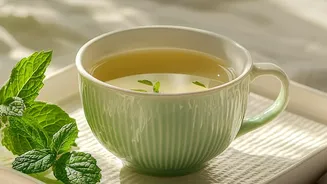
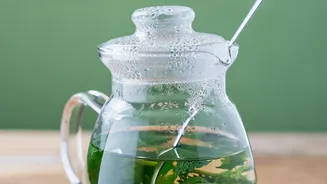
Creating your own soothing compress at home is simple. You will need peppermint tea (two teabags or a tablespoon of loose-leaf tea is ideal for a strong brew), hot water, and a clean cloth or small towel. 1. Brew the Tea: Place your peppermint tea bags or loose leaves in a mug and pour hot water over them. To trap the volatile oils, cover the mug with a small plate and let it steep for at least 10-15 minutes. 2. Cool it Down: Allow the infusion to cool to a temperature that is comfortable and warm, but not hot. You can also refrigerate it for a cold compress, which some people prefer. 3. Soak and Prepare: Submerge your clean cloth in the tea, allowing it to become fully saturated. Gently wring out the excess liquid so the cloth is damp but not dripping. 4. Apply and Relax: Lie down in a quiet, comfortable space. Fold the cloth and place it across your forehead and temples, or on the back of your neck. Close your eyes, breathe deeply, and allow the gentle warmth and calming aroma to work for 10-15 minutes.
When to Seek Professional Advice
While home remedies like a peppermint tea compress can be a wonderful way to manage occasional tension headaches, they are not a substitute for medical care. It is important to consult a doctor if your headaches are severe, frequent, or getting worse. You should also seek medical advice if your headache pattern changes, if they start after a head injury, or if they are accompanied by other symptoms like fever, stiff neck, confusion, or vision changes. A healthcare professional can provide an accurate diagnosis, rule out more serious conditions, and help you develop a comprehensive treatment plan that is right for you.