







The Golden Rules of Time and Temperature
Before we break down the food sources, it’s important to understand a basic food safety principle: the 'danger zone'. This is the temperature range between 5°C and 60°C where harmful bacteria can multiply rapidly. Food left at room temperature, which
is common on a train, falls squarely in this zone. A general rule is to avoid eating perishable foods that have been in the danger zone for more than two to four hours. Keeping this simple timeline in mind is your first line of defence against an upset stomach, allowing you to make smarter decisions about every meal you consume on your journey.
The Comfort of Home-Cooked Food
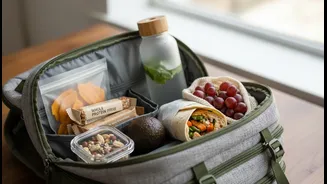
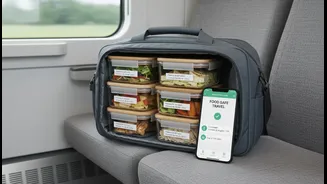
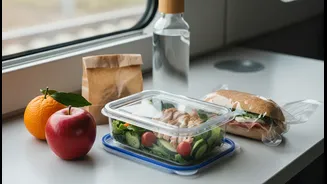
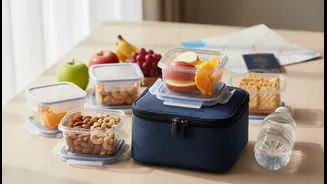
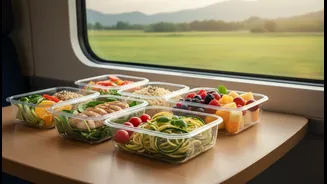
Packing food from home is a beloved tradition for Indian train travellers. It offers comfort, familiarity, and control over hygiene. However, not all home-cooked meals are created equal for travel. Wet curries, especially those with onion or dairy, have a much shorter shelf life and should ideally be consumed within the first 4-6 hours of your journey. Dry preparations are your best friends for the long haul. Items like theplas, pooris with a dry vegetable sabzi, stuffed parathas, and dry snacks like roasted chana or nuts can last safely for 12 to 24 hours. Always pack them in airtight containers to maintain freshness and prevent contamination.
Navigating the Pantry Car
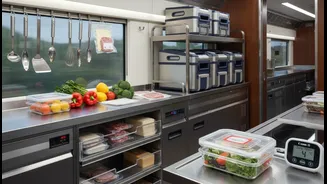
The pantry car offers the convenience of hot meals served at your seat. In recent years, Indian Railways and IRCTC have taken steps to improve hygiene, such as upgrading kitchens, mandating FSSAI certification, and even installing CCTVs for monitoring. However, quality can still be inconsistent. The safest bet is to opt for simple, freshly prepared and steaming hot dishes like dal, rice, or a vegetable thali. These are cooked at high temperatures, which kill most bacteria. Be more cautious with items that might have been prepared earlier and reheated. You can also use e-catering services to order from FSSAI-approved restaurants at major stations, which often provides a safer, more reliable option.
Decoding Station Vendor Offerings
The sights and smells of food stalls at railway stations are a core part of the train travel experience. While tempting, this is where maximum caution is required. Food is often exposed to dust and flies, and hygiene standards can vary wildly. Your safest choices are factory-sealed packaged goods like chips, biscuits, and bottled drinks with an intact seal. If you're craving something fresh, opt for fruits you can peel yourself, like bananas and oranges. Hot, freshly fried snacks like samosas or vadas, where you can see them being cooked, are generally safer than items that have been sitting out. It's wise to avoid pre-cut fruits, salads, and anything with unverified water or ice.
Smart Hydration and General Tips
Staying hydrated is crucial, but only with safe water. Always purchase sealed bottled water from authorised vendors or stick to trusted brands like Rail Neer. Avoid tap water from any source on the train or at stations, and this includes ice. Carry an alcohol-based hand sanitiser and use it before every meal, as washing hands with soap and water isn't always feasible. For any complaints regarding food quality from authorised vendors, passengers can use the IRCTC helpline or social media channels to report issues. A little preparation goes a long way in ensuring your focus remains on the journey, not on a travel-related illness.