






The Myth of 'Quality Time'
We often feel a sense of guilt if we aren't planning elaborate weekend outings or memorable holidays. The concept of 'quality time' has become synonymous with big, Instagram-worthy events. But this mindset can be exhausting and often misses the point.
The real foundation of a strong family is built on a sense of stability, belonging, and security. Research consistently shows that it’s the frequency and predictability of connection, not the grandeur of the gesture, that matters most to both children and adults. Small, repeated interactions create a powerful sense of 'we are in this together,' which is far more impactful than a handful of special occasions scattered throughout the year. These consistent touchpoints foster emotional safety and become the bedrock of family identity.
The Unmatched Power of the Dinner Table
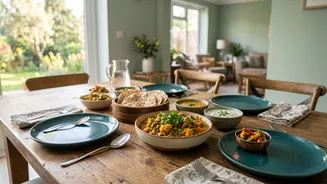
If there is one single, powerful tool for family connection, it's the shared meal. When families eat together regularly, it provides a natural pause in the day to reconnect, share stories, and simply be present with one another. Studies have linked regular family meals to a wealth of benefits, including lower rates of stress, anxiety, and depression in both children and parents. It’s a dedicated time for open dialogue, where children learn to communicate and feel heard, boosting their self-esteem. It doesn't have to be a gourmet feast every night. Even a simple dal and rice, eaten together without the distraction of screens, creates an opportunity for meaningful interaction. The act of gathering provides a predictable rhythm to the day that helps everyone, especially children, feel grounded and secure.
Creating Your Own Simple Rituals
Rituals are different from routines; they carry an emotional weight and a shared meaning that says, 'this is who we are'. The best part is that they don’t need to be complicated. Think small and consistent. It could be a 'chai and chat' session every Sunday morning, where everyone shares a highlight from their week. Or perhaps a special family handshake that only you know. For families with younger children, a consistent bedtime story routine can create a cherished space for calm and connection. Another simple idea is to go for a short walk together after dinner. The goal is to find something that feels natural and joyful for your family, an anchor in the week that everyone can look forward to. These simple, repeated acts become the fabric of family memory and identity.
Why These Small Moments Work So Well
The psychology behind rituals is profound. They create predictability in a world that often feels chaotic, which is deeply comforting for the human brain and helps reduce anxiety. For children, knowing what to expect builds a crucial sense of emotional security and stability. These shared experiences also reinforce a family's values and history, giving children a stronger sense of identity and belonging. When a family has these small, positive moments to fall back on, they build resilience and are better equipped to handle life's challenges together. The consistency of these interactions signals safety and belonging, fostering secure attachments and making every member feel seen and valued.