







An Ambitious Roadmap for Clean Air
The Delhi government has approved its new Electric Vehicle Policy 2026, which comes into effect on July 1, 2026, and will remain in force until March 31, 2030. Backed by a budget of around ₹15,000 crore, the policy aims to make Delhi a leader in electric
mobility by tackling vehicular pollution head-on. Officials have highlighted that commercial goods carriers, along with two and three-wheelers, are responsible for a significant chunk of the city's transport emissions, making them a primary focus of this new push. The overarching goal is audacious: to ensure 95% of all new vehicle registrations in the capital are electric by 2027.
Big Benefits for Two-Wheeler Buyers
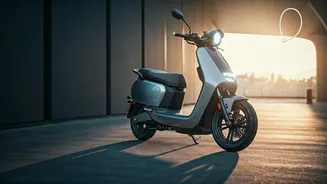
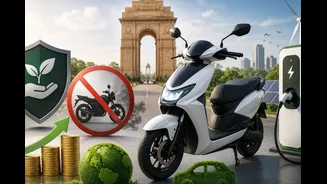
Recognizing that two-wheelers form the backbone of Delhi's transport system, the policy offers substantial financial incentives to encourage the switch to electric. Buyers of new electric two-wheelers can receive a purchase subsidy of ₹30,000 in the first year of the policy, which will decrease to ₹20,000 in the second year and ₹10,000 in the third. Additionally, those scrapping their old BS-IV or older petrol two-wheelers are eligible for a ₹10,000 incentive. The policy also sets a hard deadline: from April 1, 2028, only electric two-wheelers will be eligible for new registration in Delhi.
Making Electric Cars More Accessible
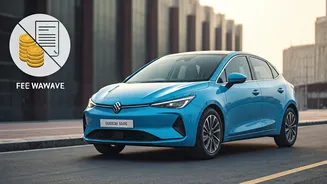
For those looking to buy an electric car, the new policy brings significant relief. All-electric cars with an ex-showroom price of ₹30 lakh or less will receive a 100% waiver on road tax and registration fees. To get older, more polluting cars off the road, the government has introduced a major scrappage incentive. Owners who scrap a Delhi-registered BS-IV or older car and purchase a new electric car (under the ₹30 lakh price cap) can receive an incentive of ₹1,00,000. This benefit is limited to the first 100,000 applicants. However, the policy does not extend any benefits to hybrid vehicles, focusing exclusively on pure electric, zero-emission transport.
A Revolution for Commercial Vehicles
Perhaps the most transformative aspect of the policy is its focus on the commercial sector, which is a major contributor to vehicular pollution. The government is targeting light commercial vehicles, or 'mini trucks', in the N1 category (up to 3.5 tonnes). Buyers of new electric N1 trucks will receive a purchase incentive of ₹1 lakh, plus a scrapping incentive of ₹50,000 for their old vehicle. For larger N2 trucks (3.5 to 12 tonnes), the first 1,000 units purchased within three months will be granted a 10-year exemption from Delhi's 'No Entry' time restrictions, a major operational advantage for freight operators. Furthermore, from January 1, 2027, all new auto-rickshaws and N1 commercial vehicles must be electric to be registered in the city.
Boosting Charging Infrastructure
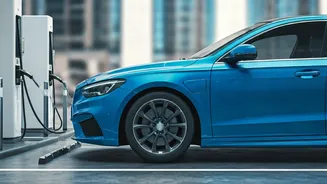
A robust EV policy is incomplete without a plan for charging. To address 'range anxiety,' one of the biggest hurdles for potential EV buyers, the government plans to install over 30,000 public charging points across the city over the next four years. This expansion will be funded through a combination of central government schemes and the Delhi budget. A dedicated online portal will also be developed to allow residents to easily apply for all the incentives available under the new policy.