




Getting Started: The Easiest Plants
While many plants can be grown from cuttings, some are notoriously easier for beginners. Starting with a forgiving plant will build your confidence. Vining plants are often the best candidates. Look to varieties like Pothos (Epipremnum aureum), Philodendron,
and Tradescantia (Inch Plant), which are all eager to sprout new roots. Other excellent choices include the resilient Snake Plant (Dracaena trifasciata), Spider Plants with their plentiful “pups,” and many common herbs like mint, basil, and oregano. The key is to start with a healthy, mature “parent” plant that is actively growing and free from any pests or diseases. A strong start gives your cutting the best chance of success.
Making the Perfect Cut
The secret to a successful cutting lies in the “node.” A node is a small, often slightly swollen bump on the stem where leaves, branches, and, most importantly, new roots emerge. Using a clean, sharp pair of scissors or pruning shears, identify a healthy stem that is a few inches long. Make your cut about a quarter-inch below a node. A good cutting should generally be three to five inches long and have at least two to four leaves at the top. Once you have your cutting, gently remove the lowest set of leaves, ensuring at least one or two nodes are bare at the bottom of the stem. This is where the new roots will form.
Two Paths to Roots: Water vs. Soil
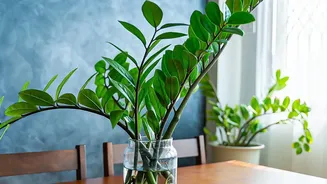
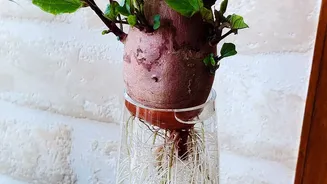
You have two primary methods for encouraging roots: water or soil. Water propagation is popular because it's fascinating to watch the roots grow. Simply place your cutting in a glass jar of water, ensuring the bare nodes are submerged but the remaining leaves are above the waterline. However, some experts note that plants develop stronger initial root systems when propagated directly in soil. Roots grown in water are different from those grown in soil, and the plant may experience a period of shock when transplanted. For soil propagation, dip the end of your cutting in a rooting hormone (optional, but it can speed things up) and plant it directly into a small pot with a moist, well-draining potting mix. Soft-stemmed plants like Pothos do well in water, while woodier plants often prefer soil.
Patience and Proper Care
Regardless of your chosen method, your new cutting needs the right environment to thrive. Place it in a spot that receives bright, indirect sunlight. Direct sun can be too intense and scorch the delicate cutting. If you're propagating in water, change the water every few days to keep it fresh and prevent bacterial growth. For soil cuttings, keep the soil consistently moist but not waterlogged. To boost humidity, you can cover the pot with a clear plastic bag, which creates a mini-greenhouse effect. Root development can take anywhere from a couple of weeks to over a month, depending on the plant, so patience is key.
The Final Step: Potting Your New Plant
If you started your cutting in water, the big question is when to move it to soil. A good rule of thumb is to wait until the new roots are about one to two inches long. Waiting too long can make the transition to soil more difficult for the plant, as its water-acclimated roots will have to adjust. When you're ready, choose a small pot with drainage holes and fill it with fresh potting mix. Gently place the rooted cutting into the soil, being careful not to damage the new roots. Water it thoroughly and place it back in its bright, indirect light spot. For the first few weeks, keep the soil a little more moist than you normally would to help the roots establish themselves in their new home.