









The Problem with Heavy Curtains
Thick, plush fabrics like velvet and heavy brocades have countless fibres and deep folds that are perfect for trapping airborne particles. These allergens can settle deep within the material, making them difficult to remove without a full, often laborious,
cleaning process. For households with allergy sufferers, asthmatics, children, or pets, these curtains can become a significant reservoir of irritants. Homes in dusty climates face an even bigger challenge, as sand and fine dust particles constantly find their way indoors and into these fabrics. Furthermore, heavy drapes that require dry cleaning are often washed infrequently, allowing allergens to build up over time. This accumulation not only affects air quality but can also lead to musty odours and a generally less hygienic environment.
The Case for Washable Curtains
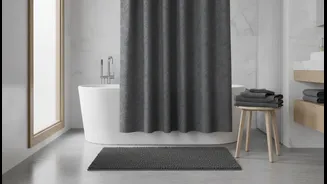
If you love the soft, flowing look of curtains, don't despair. The key is to choose lightweight, washable fabrics. Materials like cotton, polyester, and linen blends are often machine washable, making regular cleaning far more convenient. This allows you to easily remove dust and allergens before they build up. When shopping, always check the care label to ensure the curtains can be washed at home. Lighter fabrics and simpler styles without heavy pleats or linings will naturally trap fewer particles. While any fabric will hold more dust than a hard surface, the ability to toss your curtains in the wash on a regular basis—ideally a few times a year, or more for allergy sufferers—is a major advantage in maintaining a cleaner home.
The Argument for Blinds
For the ultimate defence against dust, blinds are often the superior choice. Made from hard, non-porous materials like vinyl, faux wood, or aluminium, blinds don't have fibres that trap allergens. Instead, dust settles on the surface, where it can be easily wiped away with a damp cloth or duster. This makes routine cleaning quick and highly effective. Faux wood and vinyl blinds are particularly well-suited for humid environments, as they resist moisture and are less likely to harbour dust mites. While cleaning individual slats can feel tedious, it is generally a simpler task than taking down, washing, and re-hanging curtains. Blinds also offer more precise control over light and ventilation, allowing you to manage airflow without fully exposing the room to outside pollen.
Choosing the Right Blinds
Not all blinds are created equal when it comes to dust. Horizontal blinds, with their many flat surfaces, will collect dust more readily than vertical blinds. However, their smooth surfaces still make them easy to clean. Materials are key: faux wood, vinyl, and aluminium are excellent, low-maintenance options for allergy-sufferers. Roller shades, which are made from a single, smooth sheet of fabric or vinyl, are another fantastic choice as they have minimal surface area for dust to settle on when rolled up. It’s best to avoid options like cellular (honeycomb) shades, as dust can get trapped inside their structural pockets, making them very difficult to clean thoroughly.
Making the Final Decision
The choice between washable curtains and blinds ultimately depends on your priorities. If you suffer from severe allergies or want the absolute easiest surface to keep clean, blinds made of faux wood, vinyl, or aluminium are your best bet. They offer a modern aesthetic and are functionally superior for dust control. However, if you prefer the warmth, texture, and stylistic variety of fabric, washable curtains are a perfectly viable and healthy option. Just be sure to select lightweight materials like cotton or polyester blends and commit to washing them regularly. For some, a layered approach works best: installing easy-to-clean blinds for light control and dust management, framed by decorative, washable curtain panels for a softer look.