





Why Your Gut Loves Fibre
Dietary fibre, the part of plant-based foods that your body can't digest, is a quiet hero for your gut. There are two types, and both are important. Soluble fibre, found in oats, apples, and beans, dissolves in water to form a gel-like substance. This
can help lower 'bad' cholesterol and stabilise blood sugar levels. Insoluble fibre, present in whole grains and vegetables, doesn't dissolve. Instead, it adds bulk to stool, which helps prevent constipation and keeps your digestive system running smoothly. Together, they support a healthy gut microbiome by feeding the good bacteria essential for digestion, immune function, and even mood regulation. A diet rich in fibre is linked to a lower risk of several digestive conditions and contributes to a feeling of fullness, which can aid in weight management.
1. The Classic Masala Oats Bowl
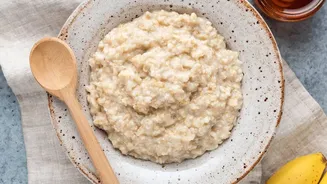
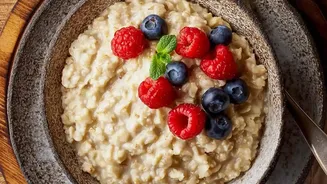
Swap your usual breakfast for a savoury and hearty bowl of masala oats. Oats are a fantastic source of soluble fibre, which helps keep you feeling full for longer. To make it, simply cook rolled oats with water or milk and add a tempering of mustard seeds, curry leaves, and finely chopped onions. Toss in vegetables like peas, carrots, and beans to increase the fibre and nutrient content even further. A pinch of turmeric, chilli powder, and garam masala gives it that classic Indian flavour. This bowl is not just comforting but also a powerful way to manage blood sugar and keep morning hunger pangs at bay.
2. The Wholesome Daliya Upma
Daliya, or broken wheat, is a traditional Indian staple that deserves a prime spot in your breakfast rotation. It's an excellent source of dietary fibre, with about 10-12 grams per 100g serving, which aids digestion and promotes regular bowel movements. Cooking daliya as an upma is a simple and delicious option. Sauté it with your favourite vegetables and spices for a filling meal that releases energy slowly, preventing those mid-morning slumps. Its low glycemic index makes it a great choice for those managing blood sugar, and its high fibre content contributes to heart health by helping to lower cholesterol.
3. The Cooling Ragi Porridge Bowl
Ragi, or finger millet, is a gluten-free superfood packed with calcium and, importantly, dietary fibre. This makes it brilliant for digestive health, helping to add bulk and prevent constipation. A traditional way to enjoy it is as a porridge, or 'kanji'. You can make a simple, instant version by cooking ragi flour with water until it thickens. For a savoury twist popular in South India, let it cool and mix in curd, finely chopped onions, green chillies, and coriander. Some traditional methods even involve fermenting the cooked ragi overnight to enhance its probiotic benefits, making it even better for your gut.
4. The Quick & Creamy Smoothie Bowl
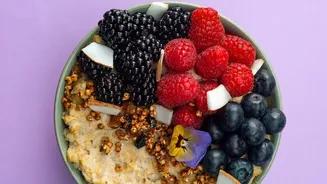
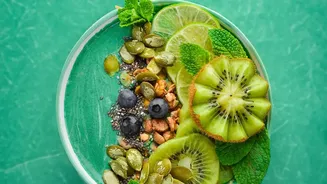
For those rushed mornings, a smoothie bowl can be a fibre-packed saviour. The key is to choose your ingredients wisely. Start with a base of frozen banana and mixed berries, which are high in fibre. Add a handful of spinach for extra vitamins without altering the taste much. For a serious fibre boost, blend in a tablespoon of chia seeds or ground flaxseed. These seeds not only add fibre but also healthy omega-3 fats. Use less liquid than a regular smoothie to get a thick, spoonable texture. Top with more fruit, nuts, or seeds for added crunch and nutrition.
5. The Protein-Packed Yoghurt Bowl
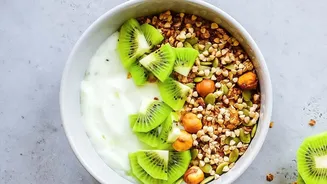
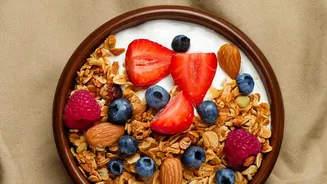
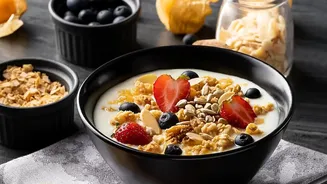
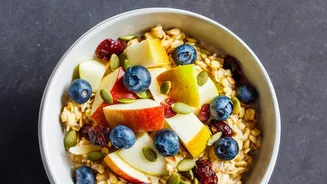
A Greek yoghurt bowl is a fantastic high-protein, high-fibre option that requires no cooking at all. Start with a base of plain, unsweetened Greek yoghurt. For the fibre, add high-fibre fruits like papaya, berries, or pear. Then, sprinkle one or two tablespoons of chia seeds or flaxseeds, which absorb liquid and help you feel full. For texture and even more fibre, mix in a handful of muesli or rolled oats. This bowl is incredibly versatile—you can customise it with whatever fruits and nuts you have on hand, making it a quick and satisfying breakfast that supports both muscle health and digestion.