





A New Weave of Collaboration
For years, the relationship between designers and handloom weavers was often transactional. A designer would source fabric, and the weaver's role would end there. Today, that dynamic is changing. A new generation of designers and established brands are
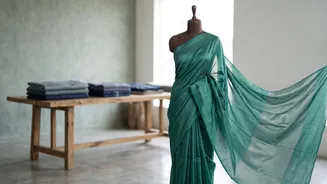
forging deeper, more integrated partnerships that treat artisans as true co-creators. These collaborations go beyond simply using handwoven textiles; they involve weavers in the design process, experiment with new techniques, and ensure artisans get a bigger stake in the final product's success. This shift is driven by a growing demand for authenticity and sustainability from consumers, who increasingly want to know the story behind their clothes. Brands like Jiwya, which can trace every garment back to the specific artisan who wove it, and Ekaya Banaras, which works with over 10,000 weavers, exemplify this new model of co-creation.
From Niche to Mainstream
This push is not just happening in high-fashion ateliers; it's a concerted effort supported by government initiatives and a changing market. The Ministry of Textiles has been actively promoting these partnerships through events like the National Handloom Designers' Conclave 2026, which aims to connect weavers with designers, exporters, and retailers. The goal is to make handloom products more competitive by blending traditional skills with contemporary aesthetics, colours, and functionality. This has led to a reimagining of what handloom can be. Labels like NorBlack NorWhite are mixing heritage textiles with global street culture, while others are creating handloom co-ord sets, jackets, and even streetwear, proving that these fabrics are versatile enough for the modern wardrobe. This shift is making handloom relevant to a younger, global audience that values individuality and ethical production.
The Business of Authenticity
While the cultural impact is significant, the economic potential is a major driver. The global handloom market is projected to reach over USD 16 billion by 2032, with the Asia Pacific region, led by India, holding the largest market share. By working directly with designers, weaver clusters can move into higher-value segments of the market, which translates to better incomes. For example, a weavers' cooperative in Andhra Pradesh saw a 40% spike in sales after collaborating with designers to incorporate modern geometric patterns into their traditional Ikat sarees. This model provides artisans with greater financial security and helps preserve skills that might otherwise be lost. For designers and brands, it offers a unique selling proposition in a crowded market: authentic, ethically produced fashion with a compelling story.
Challenges on the Ground
Despite the momentum, these partnerships are not without challenges. Scalability is a significant hurdle; the very nature of handloom is slow and labour-intensive, making it difficult to meet high demand without compromising authenticity. Pricing is another issue. Handcrafted products naturally cost more than machine-made alternatives, which can be a barrier for budget-conscious consumers. Building trust and ensuring fair communication between designers and artisans, who may have different creative vocabularies and business expectations, is also crucial for a successful collaboration. Overcoming these obstacles requires a delicate balance of honouring tradition while innovating for a modern market, ensuring quality, and transparently communicating the value of the craft to the end consumer.