






The Foundation of Movement
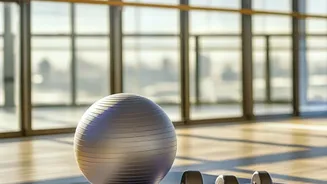
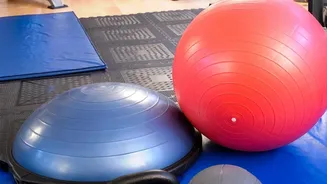
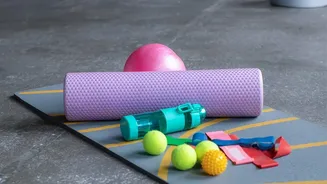
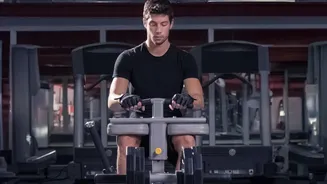
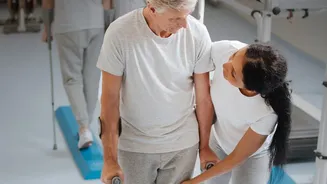
Physical therapy (PT) is the component most people associate with rehabilitation. Its primary goal is to restore movement, strength, flexibility, and function to the body. Through targeted exercises and hands-on techniques, physical therapists work to alleviate
pain and improve the body's ability to move. This is the critical foundation of recovery, helping patients get back on their feet, whether after a sports injury, surgery, or illness. However, thinking of this as the entire process is a common misconception. Rehabilitation is a holistic process designed to treat the whole person, not just the injured part.
Winning the Mental and Emotional Game
A physical injury can take a significant toll on mental health. Feelings of frustration, anxiety, depression, and fear of re-injury are incredibly common and can hinder the recovery process. The psychological side of healing is crucial. Chronic pain can lead to irritability, social withdrawal, and a sense of helplessness. This is why comprehensive rehabilitation often includes support from psychologists or counselors who provide strategies for coping with the emotional challenges. Addressing mental health helps patients stay motivated, adhere to their treatment plans, and maintain a positive outlook, which is proven to improve physical outcomes.
Reclaiming Everyday Life with Occupational Therapy
While physical therapy focuses on the body's ability to move, occupational therapy (OT) focuses on a person's ability to perform meaningful daily activities, or 'occupations'. This is a crucial distinction. An occupational therapist helps individuals regain independence in tasks like dressing, cooking, working, or participating in hobbies. For example, after a stroke, a physical therapist might work on strengthening a patient's arm, while an occupational therapist would teach that patient how to use the strengthened arm to button a shirt or hold a fork. OT often involves adapting the environment or using assistive devices to make daily life more manageable.
The Critical Role of Pain Management
Pain is not just something to be endured; it's a medical issue that can severely slow down recovery. When pain isn't managed effectively, it can prevent patients from participating fully in physical therapy, leading to muscle weakness and stiffness. Effective pain management is a cornerstone of good rehabilitation. It's not only about comfort but also about preventing acute pain from developing into a chronic condition, which is much harder to treat. A proper pain management plan, which can include medication, physical strategies, and psychological support, allows patients to engage in their recovery with more focus and less fear.
Rebuilding Social Connections and Identity
Injury and a long recovery process can be incredibly isolating. Being unable to work, socialise, or engage in hobbies can disrupt a person's sense of identity and lead to feelings of loneliness. A holistic rehabilitation plan acknowledges the importance of social and community reintegration. This can involve support groups, family counseling, and strategies for gradually returning to social activities. Maintaining connections with friends, family, and community provides essential emotional support and motivation, reminding the individual that they are more than their injury. This social fabric is often the final piece of the puzzle in restoring a person's quality of life.