




Mysuru, Karnataka: A Royal Affair
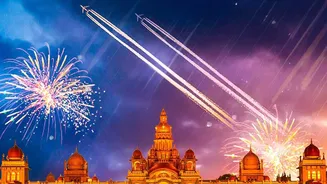
Mysuru Dasara, which culminates on October 21, 2026, is an experience of royal pageantry. The city transforms for ten days, with the main attraction being the magnificent Mysore Palace, illuminated by nearly 100,000 bulbs. The festival celebrates Goddess
Chamundeshwari's victory over the demon Mahishasura. The highlight is the Jamboo Savari, a grand procession on Vijayadashami (October 21) featuring decorated elephants, with one carrying the goddess in a golden howdah. Expect massive crowds, especially for the procession and the evening Torchlight Parade. Accommodations are booked months in advance, so early planning is crucial. While many events are free to view from the streets, purchasing tickets for seated areas can offer a more comfortable experience.
Kullu, Himachal Pradesh: A Unique Valley Festival
Kullu Dussehra is unlike any other in India. Instead of ending on Vijayadashami (October 20), its seven-day celebration begins on this day. The festival does not involve burning effigies of Ravana. Instead, it's a massive congregation of over 200 local deities, brought down from surrounding villages in ornate palanquins to pay homage to Lord Raghunath at Dhalpur Maidan. The atmosphere is thick with devotion, the sound of traditional trumpets and drums, and folk performances like the Nati dance. Declared an International Event, it attracts up to five lakh people. While the crowds are immense, the event is spread out over a large area, offering opportunities for cultural immersion and shopping at local handicraft fairs.
Kolkata, West Bengal: An Artistic & Cultural Immersion
In Kolkata, the festival is celebrated as Durga Puja, culminating in Vijaya Dashami on October 21, 2026. The entire city becomes an open-air art gallery, with thousands of elaborate 'pandals' (temporary structures) housing intricately crafted idols of Goddess Durga. Pandal-hopping is the main activity, and the crowds are legendary, often leading to standstill traffic day and night. The best way to navigate the city is by using the metro and being prepared to walk a lot. To avoid the heaviest rush, try visiting pandals in the early morning. The festival concludes with 'Sindoor Khela', where married women smear vermilion on each other, followed by the emotional immersion of the idols in the Hooghly river. The celebration's cultural significance is so profound that it's recognized by UNESCO.
Delhi: Epic Ramlila & Grand Effigies
For a classic North Indian Dussehra experience, Delhi is the place to be on October 20, 2026. The city's celebrations are centred around 'Ramlila'—dramatic enactments of the Ramayana epic. Various grounds across the city, most famously Ramlila Maidan and the Red Fort grounds, host these performances for several nights leading up to Dussehra. The finale is the 'Ravan Dahan', where colossal effigies of Ravana, his brother Kumbhakarna, and son Meghnad are set ablaze amidst spectacular fireworks. These venues draw enormous crowds, and navigating them requires patience. Arrive early, use public transport like the Metro to avoid parking chaos, and be prepared for a loud, high-energy atmosphere filled with families, food stalls, and festive fairs.
Alternative Choices for Fewer Crowds
If the massive crowds of the major hubs seem too daunting, consider alternative destinations. Bastar in Chhattisgarh hosts a unique 75-day Dussehra festival focused on tribal traditions and the deity Maa Danteshwari, which does not involve burning Ravana. In Almora, Uttarakhand, the celebration includes burning effigies of Ravana's clan, followed by a procession of locals carrying representations of deities. Another distinct celebration is the Madikeri Dasara in Coorg, Karnataka, a vibrant carnival-like festival featuring folk dances and a parade of dramatic tableaus representing gods and demons. These smaller-scale events offer a more intimate yet equally fascinating cultural experience.
Essential Tips for Festival Travel
Navigating India during a major festival like Dussehra requires a smart approach. First and foremost, book everything—flights, trains, and hotels—months in advance, as prices soar and availability plummets. When you're at the destination, opt for public transport or be prepared for long walks, as roads around celebration venues are often congested or closed. Travel during off-peak hours, such as early mornings, to avoid the worst of the rush. Keep your belongings secure in large crowds and have emergency contacts handy. Embrace the chaos as part of the experience, dress modestly for religious events, and always be respectful when taking photos of rituals or people. With the right mindset, the festive energy is more invigorating than overwhelming.